
Located in the heart of the Thar Desert, Bikaner remains one of the most fascinating destinations in Rajasthan for travellers seeking authentic royal heritage, magnificent architecture, traditional culture, and unique desert experiences. While cities like Jaipur, Udaipur, and Jaisalmer often receive the spotlight, Bikaner quietly preserves centuries of history through its magnificent forts, intricately carved Rajasthani havelis, bustling bazaars, camel traditions, and colourful streets.
Founded by Rao Bika in the fifteenth century, Bikaner became an important kingdom along ancient caravan routes connecting northern India with Central Asia. Wealth generated through trade allowed local rulers and merchants to build extraordinary palaces, temples, gateways, and residential mansions that continue to impress visitors today. Unlike many popular tourist cities, Bikaner still offers a relaxed atmosphere where travellers can spend time appreciating architecture, meeting local artisans, tasting authentic cuisine, and exploring historical landmarks without overwhelming crowds.
One of the city's most distinctive identities comes from its deep connection with camels. Often called the Camel Country of Rajasthan, Bikaner is home to the famous National Research Centre on Camel, where visitors gain insight into camel breeding, conservation, dairy products, and their historical importance in desert life. Combined with spectacular monuments such as Junagarh Fort, beautifully decorated Rampuria Havelis, sacred temples, traditional markets, and nearby desert villages, Bikaner offers experiences that cannot easily be found elsewhere in India.
Whether travelling independently, with family, as a couple, or on a luxury Rajasthan itinerary, Bikaner deserves at least two full days to appreciate its remarkable heritage. Comfortable roads connect it with Jaipur, Jodhpur, Jaisalmer, and Mandawa, making it an ideal addition to any Rajasthan tour package.
Unlike many historic cities built around hilltop forts, Bikaner developed on relatively flat desert land, allowing its rulers to construct grand palaces, wide courtyards, decorative gateways, and elaborate administrative buildings within an impressive fortified complex. This unique landscape gives Bikaner a completely different visual character compared to cities like Jodhpur or Chittorgarh.
The greatest symbol of the city is the magnificent Junagarh Fort, one of the few major forts in Rajasthan that was never constructed on a hill. Instead, its architects created massive defensive walls, deep moats, elegant palaces, audience halls, temples, balconies, and courtyards that demonstrate extraordinary engineering and artistic excellence. Walking through the fort reveals a remarkable combination of Rajput architecture, Mughal decorative influences, intricate mirror work, painted ceilings, marble carvings, sandstone craftsmanship, and royal apartments that have survived remarkably well.
Unlike many forts where interiors have disappeared over time, Junagarh retains richly decorated rooms that provide a realistic impression of royal life. Visitors move through audience halls, private chambers, ceremonial courtyards, armour galleries, museum collections, and beautifully ornamented balconies overlooking different sections of the fort. Every room reflects changing artistic styles adopted by successive rulers while preserving the kingdom's own architectural identity.
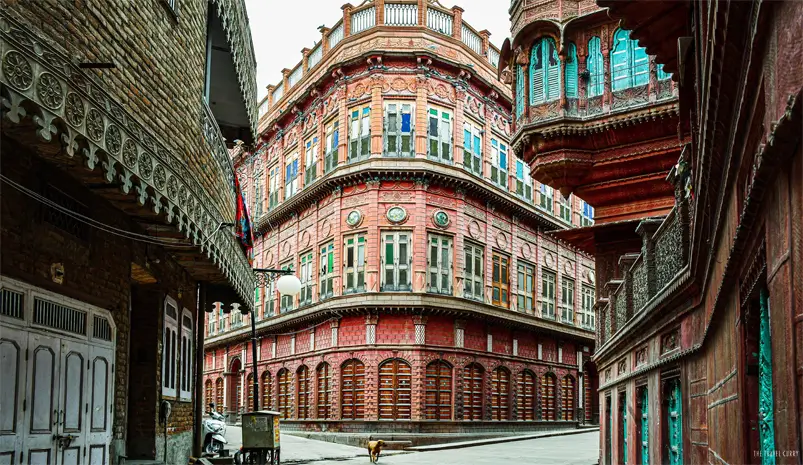
Outside the fort, the old quarters of Bikaner showcase another architectural treasure—its merchant mansions. Wealthy trading families commissioned magnificent heritage havelis featuring carved sandstone facades, decorative balconies, colourful frescoes, wooden doors, lattice windows, and beautifully designed courtyards. Among these, the famous Rampuria Havelis remain some of the finest examples of residential architecture in Rajasthan. Their detailed red sandstone carvings continue to attract photographers, historians, architects, and cultural travellers from around the world.
The city's heritage extends beyond monuments. Walking through narrow lanes reveals centuries-old temples, traditional homes, artisan workshops, spice merchants, sweet shops, textile stores, and local markets where daily life continues much as it has for generations. Rather than functioning solely as historical attractions, many neighbourhoods remain active communities where visitors witness authentic desert culture without staged performances or commercial presentations.
Bikaner's royal heritage also reflects military strength. The kingdom played a significant role in protecting important desert trade routes while maintaining diplomatic relationships with neighbouring states. Historical records preserved inside museums and royal collections illustrate the evolution of administration, warfare, diplomacy, and desert survival techniques developed over hundreds of years.
Travellers interested in architecture often appreciate how Bikaner combines grandeur with practicality. Thick sandstone walls provide insulation against intense summer temperatures, shaded courtyards encourage natural ventilation, carved stone screens reduce sunlight while allowing airflow, and elevated balconies improve comfort throughout the year. These traditional construction methods demonstrate remarkable understanding of desert climate long before modern engineering techniques emerged.
For visitors exploring Rajasthan heritage tourism, Bikaner offers an exceptional opportunity to study royal history, urban planning, artistic craftsmanship, and desert civilisation within one compact city. Every palace corridor, haveli façade, marketplace, and gateway contributes another chapter to the story of one of Rajasthan's most remarkable princely states.
Discover the magnificent Junagarh Fort, historic havelis, camel heritage, vibrant markets, and authentic desert culture of Bikaner.
Every journey through Bikaner sightseeing begins with the extraordinary Junagarh Fort, the city's most celebrated architectural masterpiece and one of the finest preserved royal complexes anywhere in India. Constructed primarily from red sandstone with elegant marble detailing, the fort immediately captures attention through its imposing walls, beautifully designed gateways, and carefully planned defensive layout.
Inside, visitors discover a sequence of magnificent palaces rather than a single building. The richly decorated Anup Mahal showcases intricate gold leaf artwork, colourful wooden ceilings, delicate mirror decoration, and royal administrative chambers that illustrate the sophistication of Bikaner's rulers. Nearby, the elegant Phool Mahal presents graceful arches, painted interiors, and refined decorative elements used during ceremonial occasions. The beautifully designed Badal Mahal, recognised for its artistic cloud-inspired paintings, reflects the remarkable imagination of traditional Rajasthani craftsmen.
The fort museum displays historical weapons, royal costumes, manuscripts, paintings, ceremonial objects, palanquins, and artefacts that help visitors understand everyday life within the kingdom. Unlike museums where exhibits feel disconnected from their surroundings, these collections remain inside the palace environment where they were originally used, creating a far more immersive historical experience.
Photography enthusiasts particularly appreciate Junagarh because every courtyard presents different architectural compositions. Decorative balconies, sandstone arches, marble pillars, carved windows, symmetrical corridors, and open courtyards provide outstanding opportunities for architectural photography throughout the day. Morning light generally creates softer shadows, while late afternoon highlights the warm colours of the sandstone walls.
A short distance from the fort lies the famous Rampuria Havelis, often described as among the finest merchant residences in Rajasthan. These remarkable buildings display extraordinary stone carving techniques that transformed ordinary façades into works of art. Delicate floral motifs, projecting balconies, sculpted columns, ornamental windows, and decorative entrances demonstrate the prosperity once enjoyed by Bikaner's trading community.
Although several havelis remain privately owned, simply walking through the surrounding streets offers countless opportunities to admire their craftsmanship. Every façade appears slightly different, reflecting the artistic preferences and financial status of individual merchant families. Architectural historians frequently consider this neighbourhood one of the most valuable collections of residential heritage in northern India.
Another important landmark is the elegant Laxmi Niwas Palace, originally built as the royal residence during the late princely era. Today operating as a heritage hotel, its magnificent exterior continues to impress visitors interested in Indo-Saracenic architecture, expansive gardens, and royal design. Even travellers not staying overnight often admire its striking sandstone construction from the outside as part of their city exploration.
Religious heritage also forms an essential part of Bikaner's identity. Historic Jain temples display remarkable marble craftsmanship, intricate sculptures, painted ceilings, and peaceful interiors reflecting centuries of spiritual tradition. Their artistic quality complements the grandeur of forts and palaces while offering quieter cultural experiences.
Moving through these monuments reveals that Bikaner is far more than a single attraction. The city represents a complete historical landscape where royal architecture, merchant prosperity, religious devotion, desert adaptation, and living traditions continue to exist side by side. Every landmark contributes another layer to an unforgettable journey through one of Rajasthan's most rewarding heritage destinations.
Experience royal forts, magnificent havelis, camel heritage, local markets and authentic Rajasthani culture.
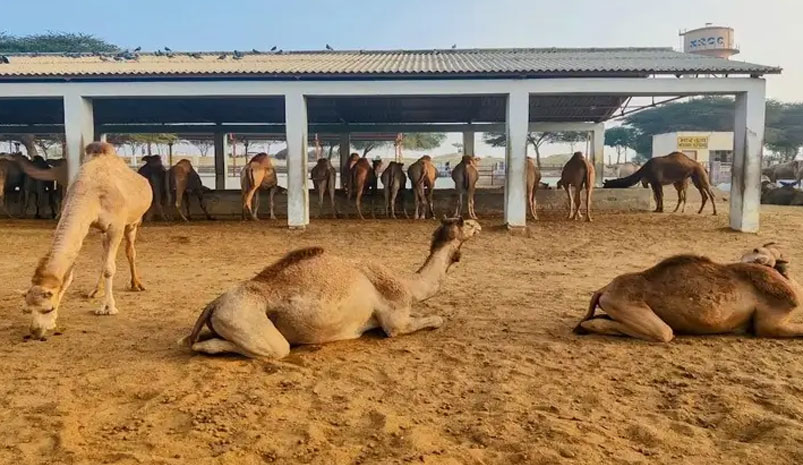
Among all the attractions that distinguish Bikaner from every other destination in Rajasthan, the National Research Centre on Camel, widely known as the Camel Research Station Bikaner, remains one of the most fascinating places for international travellers. Camels have shaped the economy, transportation, military history, agriculture, and everyday life of the Thar Desert for centuries. This research centre provides visitors with an opportunity to understand that relationship through scientific conservation, education, and practical demonstrations rather than simply viewing camels from a distance.
The campus welcomes visitors during fixed public visiting hours, making it an excellent stop for families, photographers, wildlife enthusiasts, and anyone interested in Rajasthan's desert heritage. Well-maintained pathways, informative displays, and open enclosures allow guests to observe different camel breeds while learning how each adapted to the harsh desert environment. Information panels explain breeding programmes, veterinary care, nutritional research, and conservation efforts that help preserve these remarkable animals for future generations.
One of the highlights is the opportunity to taste products prepared from camel milk. The research centre's dairy introduces visitors to camel milk ice cream, flavoured beverages, chocolates, and other specialty products that are rarely available elsewhere. Many travellers visit specifically to experience these unique local delicacies while learning about their nutritional value.
Photography opportunities are exceptional throughout the campus. Early morning and late afternoon provide softer natural lighting, making the camels, desert vegetation, and surrounding landscapes especially attractive for photographs. Visitors should always respect staff instructions and avoid disturbing the animals while taking pictures.
Beyond the research station, Bikaner offers numerous authentic desert experiences. Traditional camel carts continue to appear within parts of the city, while nearby rural villages preserve age-old lifestyles centred around livestock, handicrafts, and agriculture. Short excursions outside the urban centre introduce visitors to sand dunes, village communities, local musicians, and traditional cooking methods that showcase everyday desert living without excessive commercialisation.
The city's famous markets deserve equal attention. Walking through Kote Gate Market introduces travellers to colourful textiles, embroidered fabrics, leather goods, handcrafted souvenirs, miniature paintings, decorative items, and traditional jewellery. Local craftsmen continue producing articles using techniques passed through multiple generations, making shopping in Bikaner far more meaningful than purchasing factory-made souvenirs.
Food lovers quickly discover that Bikaner has earned a national reputation for its savoury snacks and sweets. Freshly prepared Bikaneri Bhujia, crispy kachoris, traditional sweets, and authentic Rajasthani meals are available throughout the old city. Established family-owned shops continue preparing recipes using traditional methods, allowing visitors to experience flavours closely connected with the city's cultural identity.
Travellers planning accommodation will find options suitable for every budget. Heritage hotels provide opportunities to stay inside beautifully restored royal residences, while boutique properties, comfortable mid-range hotels, and modern business hotels offer convenient access to major attractions. Choosing accommodation near the old city allows easier exploration of monuments, markets, and restaurants without lengthy daily travel.
The most comfortable period for Bikaner tourism falls between the cooler months, when pleasant daytime temperatures encourage sightseeing, walking tours, photography, and outdoor activities. Summers can become extremely hot due to the desert climate, making early morning and evening excursions more comfortable. Carrying drinking water, sunscreen, sunglasses, and light cotton clothing helps visitors remain comfortable throughout the day regardless of season.
Reaching Bikaner is relatively straightforward. The city enjoys excellent road connectivity with Jaipur, Jodhpur, Jaisalmer, Mandawa, and other important destinations across Rajasthan. Luxury private vehicles remain one of the most convenient choices for international travellers because they provide flexibility, comfortable luggage space, and the freedom to stop at villages, viewpoints, and lesser-known attractions along the route. Railway services also connect Bikaner with several major Indian cities, while nearby airports in larger cities allow convenient onward road transfers.
Visitors should allocate at least two full days for Bikaner to avoid rushing through its attractions. Spending additional time allows for relaxed fort visits, market exploration, heritage walks, camel experiences, local dining, and photography sessions that truly capture the city's atmosphere. Many travellers who initially planned only a brief stop discover that Bikaner's rich heritage easily justifies extending their stay.
Rather than competing with Rajasthan's more famous destinations, Bikaner complements them beautifully. Its magnificent architecture, peaceful streets, royal history, camel heritage, traditional markets, and welcoming atmosphere create an experience that feels authentic, educational, and deeply connected with the desert culture of western India. Whether included within a longer Rajasthan tour, a customised private India itinerary, or a heritage-focused holiday, Bikaner consistently rewards visitors with memorable experiences that remain long after the journey ends.
Our travel Faqs is your ultimate guide to exploring the top destinations in Rajasthan. From insider tips to comprehensive guides, we have everything you need to plan your trip with ease and convenience.
Yes. Bikaner offers a unique combination of royal forts, historic havelis, camel heritage, vibrant markets, and authentic desert culture that differs significantly from Jaipur, Jodhpur, and Jaisalmer.
Two full days are ideal for visiting Junagarh Fort, Rampuria Havelis, the Camel Research Station, local markets, temples, museums, and enjoying traditional Rajasthani cuisine at a comfortable pace.
Yes. The National Research Centre on Camel welcomes visitors during public visiting hours. Guests can observe different camel breeds, learn about conservation programmes, and sample camel milk products.
Junagarh Fort is the city's most important historical attraction. It is recognised for its beautifully preserved palaces, royal museum, intricate interiors, and exceptional Rajput architecture.
Most visitors admire the magnificent exterior architecture while walking through the surrounding heritage streets. Some sections may remain privately owned, but the area itself is one of Bikaner's finest architectural attractions.
The cooler months provide the most pleasant weather for sightseeing, walking tours, photography, and exploring outdoor attractions throughout the city.
Yes. Families enjoy the combination of historical monuments, camel experiences, museums, shopping, traditional food, and comfortable accommodation suitable for travellers of different ages.
Popular choices include Bikaneri Bhujia, kachori, traditional Rajasthani thali, camel milk products, local sweets, and freshly prepared regional snacks available throughout the old city.
Bikaner is well connected by road with both cities, making it a popular stop on customised Rajasthan private tours that combine multiple heritage destinations.
Absolutely. Heritage hotels, private guided sightseeing, luxury vehicles, personalised experiences, and seamless road connections make Bikaner an excellent addition to premium Rajasthan luxury tour packages.