
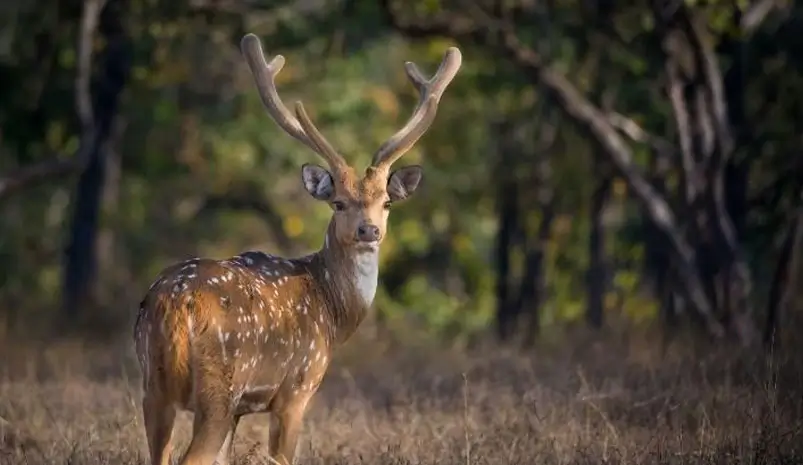
India is one of the best destinations in the world for wildlife travel, offering a rare opportunity to explore diverse ecosystems and observe animals in their natural habitat. From dense forests and open grasslands to river valleys and desert landscapes, the country provides a wide range of environments that support rich biodiversity. This category brings together carefully designed India wildlife tours and tiger safari packages that allow travellers to experience these landscapes through well-planned itineraries.
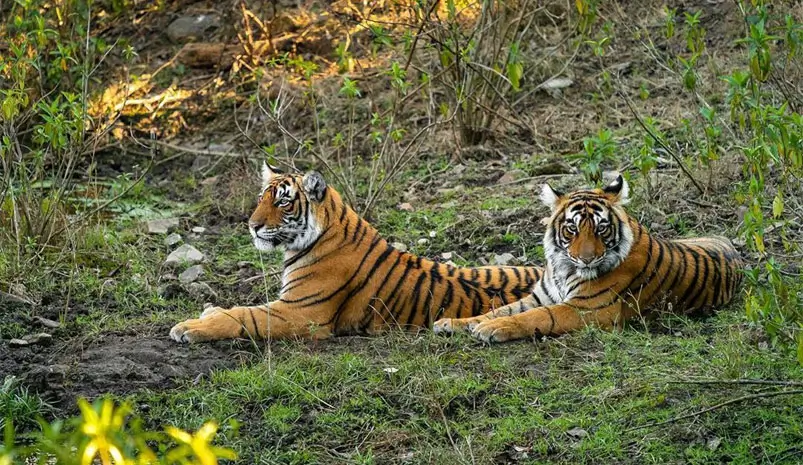
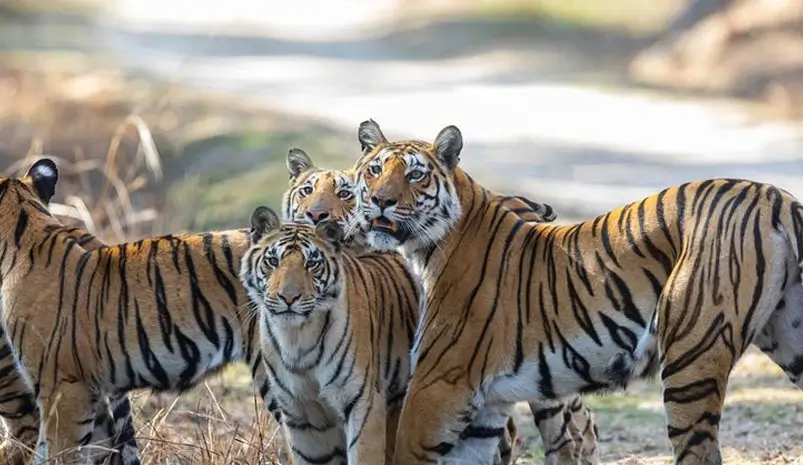
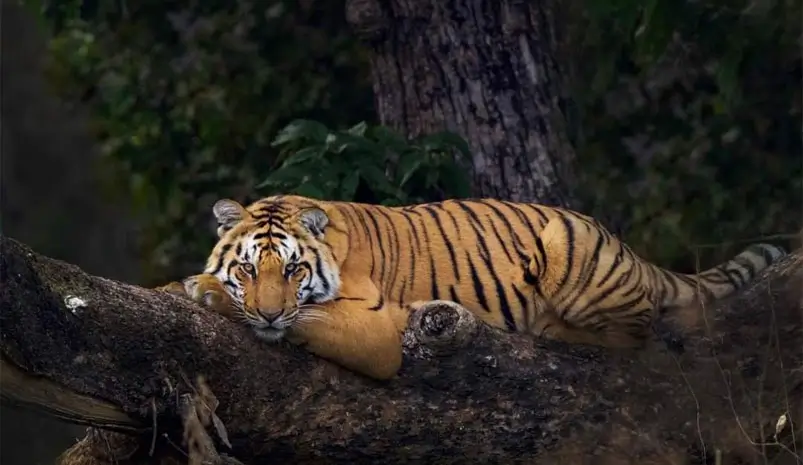
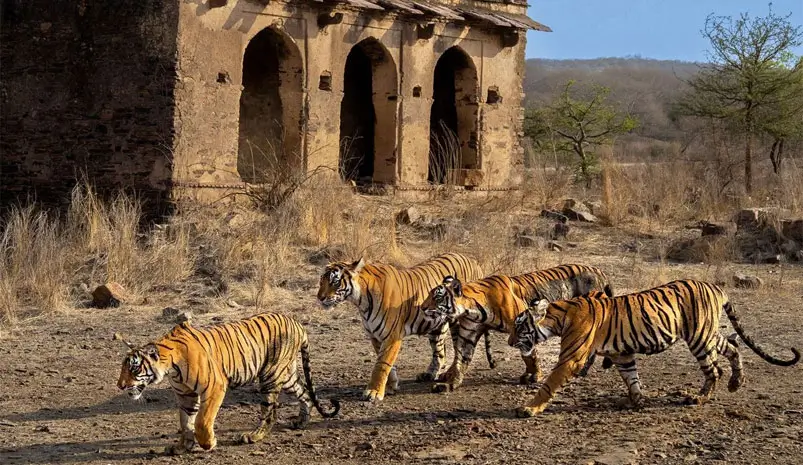
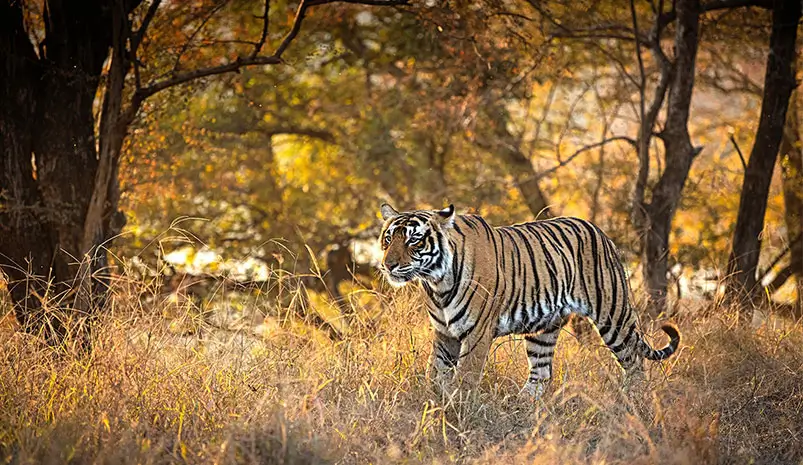
One of the biggest highlights of wildlife travel in India is the chance to see the Bengal tiger in the wild. National parks such as Ranthambore National Park, Bandhavgarh National Park and Kanha National Park are among the most popular destinations for tiger safaris. Each park offers a different terrain, ranging from dry forests and lakes in Rajasthan to dense jungles and meadows in central India. This variation ensures that every safari experience feels unique, even within the same country.
In addition to tiger-focused journeys, many itineraries include broader wildlife experiences across multiple regions. Jim Corbett National Park, for example, is known not only for its tigers but also for its river ecosystem and birdlife, making it ideal for nature lovers. Meanwhile, regions like Jawai Leopard Safari offer a completely different kind of experience, where leopards can be observed in open rocky terrain. Combining these destinations within a single itinerary allows travellers to experience multiple wildlife habitats.
Another important aspect of India safari tours is the structure of the journey. Safaris are usually conducted early in the morning and late in the afternoon, when wildlife activity is at its peak. Between these drives, travellers have time to relax at jungle lodges, which are often located close to the parks and provide a comfortable yet nature-focused stay. This rhythm creates a balanced experience, where exploration and rest are equally important.
Many wildlife tours are designed to include multiple safaris over several days. This approach increases the chances of sightings while also allowing travellers to understand the forest environment more deeply. Instead of relying on a single outing, repeated safaris provide different perspectives, as animal movement, light conditions and routes change each time. This makes the experience more immersive and rewarding.
In addition to wildlife, these tours often include cultural or scenic elements, such as visits to nearby cities, heritage sites or natural landscapes. For example, a journey may combine a tiger safari in Ranthambore with a visit to the Taj Mahal in Agra or include a desert experience in Rajasthan. This combination adds variety and makes the itinerary more complete.
All the India wildlife safari packages in this category are designed to maintain a practical travel pace, ensuring that distances between parks are manageable and that travellers have enough time to enjoy each destination. Whether the preference is for a short jungle escape, a multi-park tiger safari or a longer wildlife expedition, these itineraries provide flexible options for different travel styles.
Our travel Faqs is your ultimate guide to exploring the top destinations in Rajasthan. From insider tips to comprehensive guides, we have everything you need to plan your trip with ease and convenience.
Yes, photography is allowed and is one of the main highlights of wildlife tours in India. Travellers are encouraged to bring cameras or smartphones to capture the experience. However, the use of flash is generally discouraged as it may disturb animals. Professional photography equipment is also permitted, although certain parks may have specific guidelines.
Yes, entry permits are required for all national parks and wildlife reserves in India. These permits are usually arranged in advance as part of the tour package or through local authorities. Since the number of vehicles allowed per safari is limited, it is important to book permits early, especially during peak travel seasons.
Yes, many wildlife tours in India are combined with cultural and heritage destinations to create a more complete travel experience. For example, a safari in Ranthambore is often combined with visits to Delhi, Agra and Jaipur, while central India safaris can be extended to include Varanasi or Khajuraho. This combination allows travellers to experience both wildlife and cultural aspects within a single itinerary.
The best time for wildlife tours in India is generally between October and June, with peak safari months from March to May. During this period, vegetation becomes thinner and animals tend to gather near water sources, which increases the chances of sightings. Winter months from November to February are also popular due to pleasant weather, especially for travellers who prefer comfortable temperatures. However, early mornings can be cold during winter, particularly in central India parks.
India has several well-known national parks for tiger safaris, each offering a different experience. Ranthambore National Park is one of the most accessible and popular parks, known for its mix of wildlife and historical ruins. Bandhavgarh National Park is often considered one of the best places for tiger sightings due to its high density. Kanha National Park offers a more scenic environment with large meadows and diverse wildlife.
For a meaningful wildlife experience, it is generally recommended to include at least 3 to 5 safaris in your itinerary. Since wildlife sightings cannot be guaranteed in a single drive, multiple safaris increase the chances of spotting animals and also allow you to explore different zones of a park. Each safari offers a different experience depending on timing, weather and animal movement, making repeated visits more rewarding.
It is recommended to wear comfortable clothing in neutral colours such as beige, green or brown during safaris. Bright colours should be avoided as they may disturb wildlife. In winter months, carrying warm layers is important due to early morning drives, while in summer, light cotton clothing, hats and sunglasses are useful. Comfortable footwear is also recommended.
Most wildlife safaris in India are conducted in open jeeps or canter vehicles, depending on the park and zone. Jeep safaris are more private and flexible, making them a preferred choice for many travellers, while canter safaris are larger vehicles that accommodate groups. Both options are guided by trained drivers and naturalists who help interpret the forest and wildlife behaviour during the drive.
Yes, wildlife tours in India are generally safe when conducted through authorised parks and experienced operators. Safaris are strictly regulated, and visitors are required to follow park rules to ensure both safety and conservation. Travellers are accompanied by trained drivers and guides who are familiar with the terrain and wildlife behaviour. Following instructions and maintaining discipline during safaris ensures a safe experience.
Accommodation in wildlife tours usually includes jungle lodges, forest resorts or boutique nature stays located near national parks. These properties are designed to provide comfort while maintaining a connection with nature. Options range from standard lodges to luxury wildlife resorts, depending on the package. Most stays offer basic amenities along with a peaceful environment surrounded by natural landscapes.
Wildlife sightings, including tigers, are never guaranteed as animals move freely in their natural habitat. However, parks like Ranthambore and Bandhavgarh are known for relatively good sighting chances. Multiple safaris, experienced guides and proper planning improve the probability, but the experience should be seen as observing nature rather than expecting fixed outcomes.
Preparing for a wildlife safari involves planning according to the destination and season. It is advisable to book safaris in advance, carry essential items such as sunscreen, insect repellent and binoculars, and keep identification documents ready. Being patient and maintaining silence during safaris enhances the experience, as wildlife sightings often depend on calm observation rather than movement.