
North India is one of the most diverse travel regions, offering a unique combination of spiritual destinations, historical cities, mountain landscapes and cultural experiences. From the sacred ghats of Varanasi to the royal heritage of Rajasthan, and from the peaceful Himalayas to the vibrant streets of Delhi, every journey across this region feels different. This category brings together carefully designed North India tour packages that allow travellers to explore multiple destinations in a structured and comfortable way.
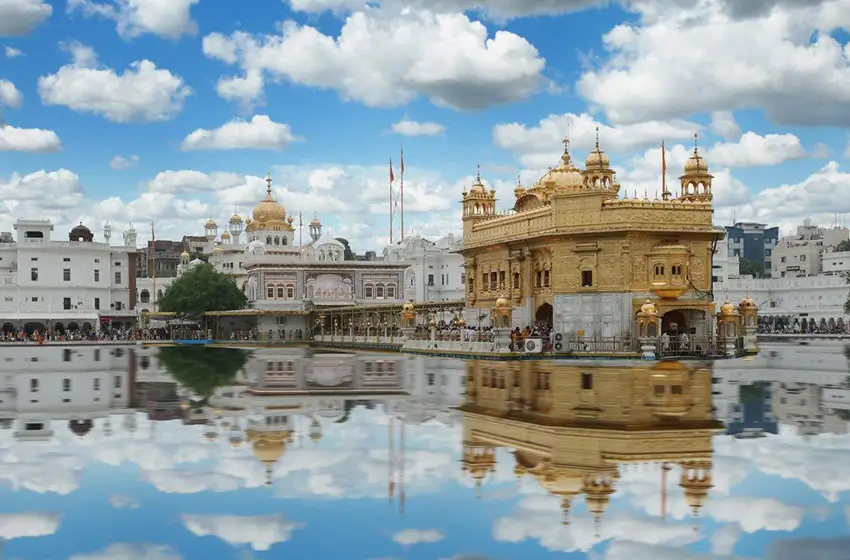
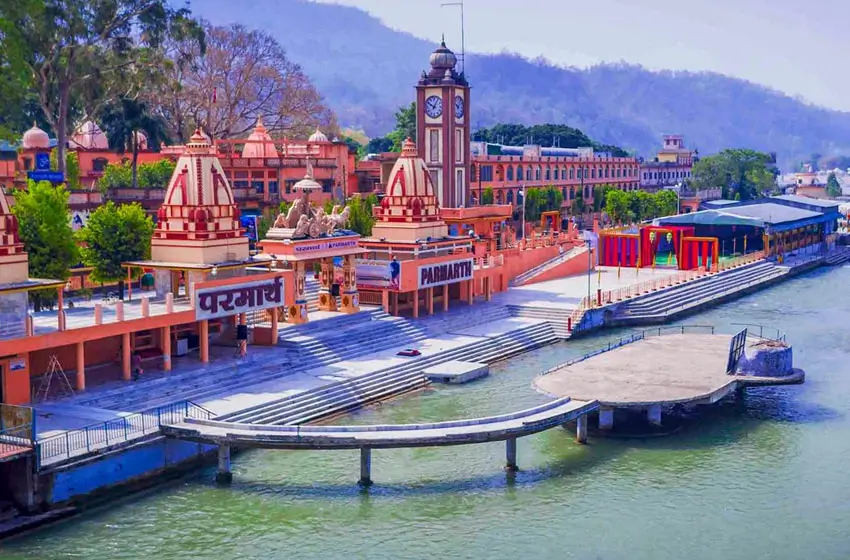
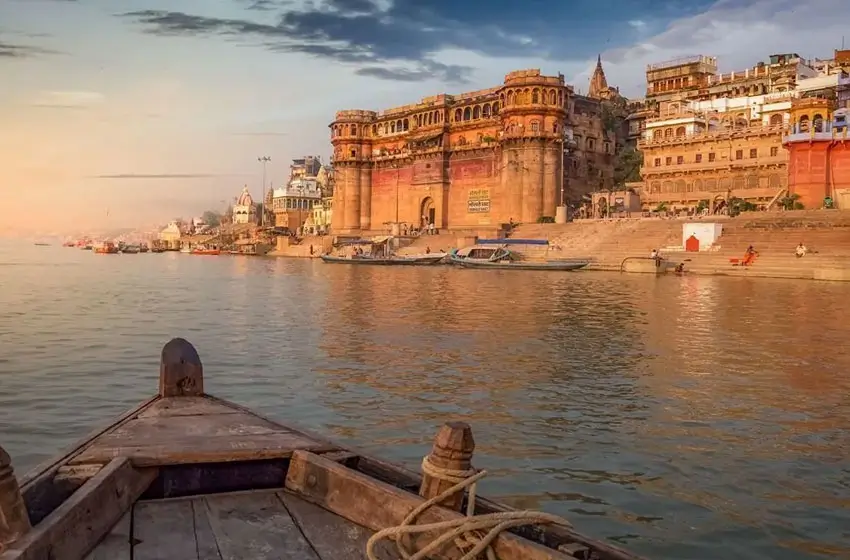
The range of itineraries included here covers a wide variety of travel interests. For those seeking spiritual experiences, destinations such as Varanasi, Haridwar, Rishikesh and Amritsar offer a deep connection with traditions and rituals that have been followed for centuries. Watching the Ganga Aarti in Varanasi or Haridwar, visiting the Golden Temple in Amritsar, or spending time in the ashrams of Rishikesh provides a sense of calm and reflection that is difficult to find elsewhere.
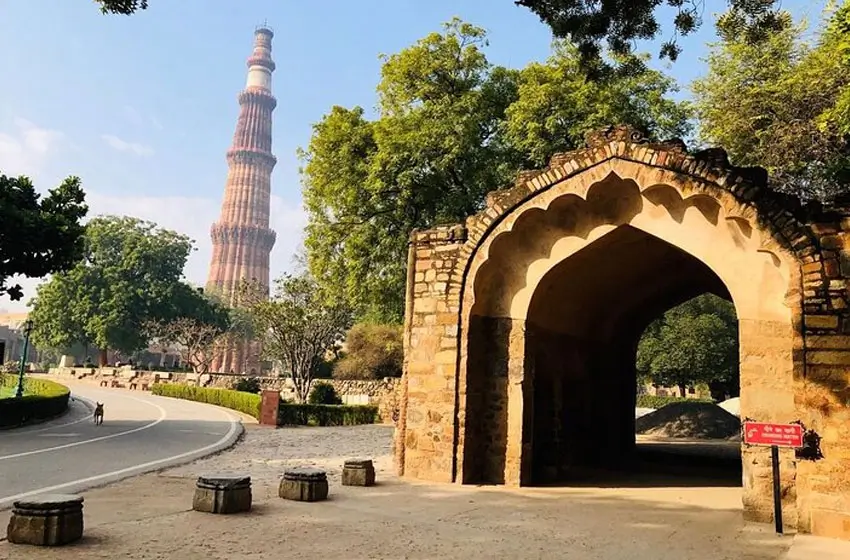
At the same time, North India is also known for its rich heritage and architectural landmarks. Routes that include Delhi, Agra and Jaipur—often referred to as the Golden Triangle—introduce travellers to Mughal and Rajput history through forts, palaces and monuments. The Taj Mahal, in particular, remains one of the most recognised landmarks in the world and is often a central highlight of many itineraries. Extending beyond these cities, destinations like Orchha and Khajuraho add further depth with their unique architectural styles and historical significance.
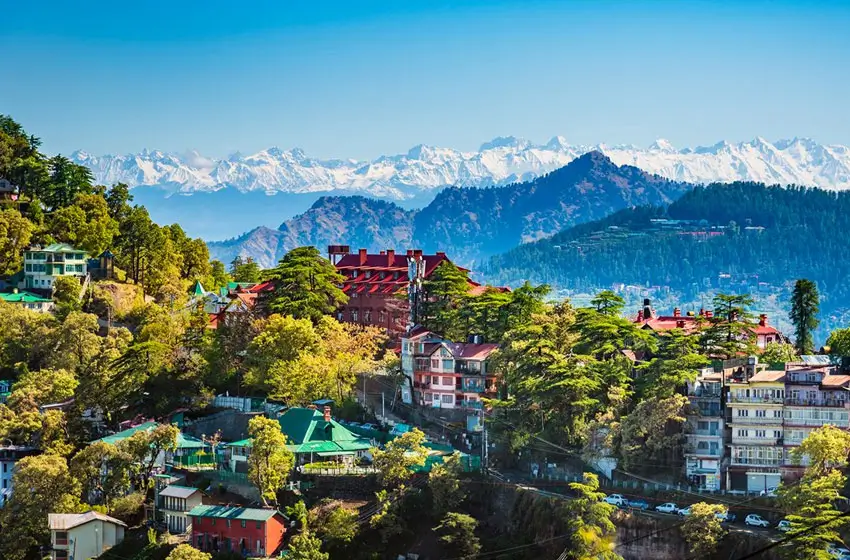
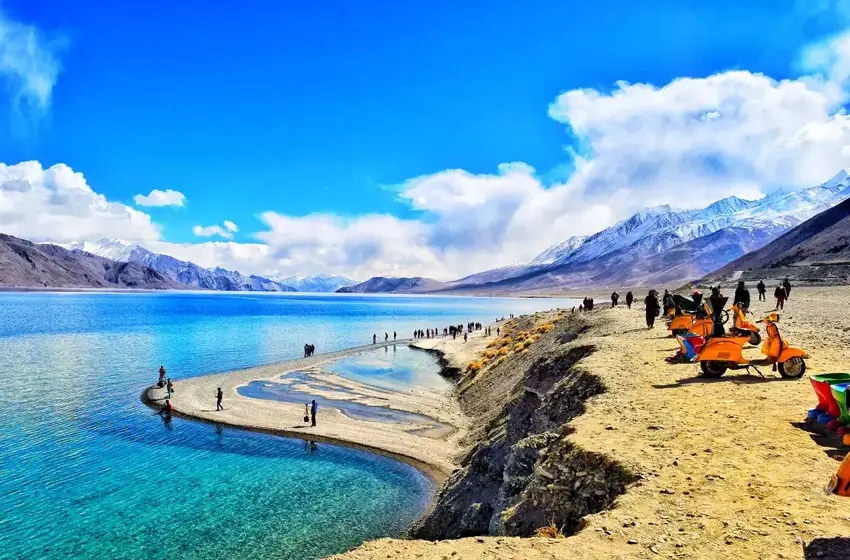
For travellers interested in nature and mountain landscapes, the Himalayan region offers a completely different experience. Hill stations such as Shimla and Manali provide cooler climates, scenic views and a relaxed atmosphere, making them ideal for those looking to escape the plains. More adventurous routes, such as the Leh Ladakh road trip, take travellers through high-altitude passes, remote valleys and dramatic landscapes that are unlike anywhere else in the country.
Another important aspect of North India travel is the ability to combine multiple experiences within a single itinerary. It is possible to move from a spiritual city like Varanasi to a heritage destination like Agra, and then continue to a hill station such as Manali, all within one journey. This diversity makes North India particularly appealing for international travellers who want to experience different sides of India without planning separate trips.
All the itineraries in this category are designed to maintain a practical travel pace, ensuring that long distances are balanced with rest and exploration. The focus is on making the journey smooth, allowing travellers to experience each destination without feeling rushed. Whether the preference is for a short spiritual trip, a classic cultural route or a long multi-destination journey, these North India tour packages offer options that suit different travel styles and durations.

Our travel Faqs is your ultimate guide to exploring the top destinations in Rajasthan. From insider tips to comprehensive guides, we have everything you need to plan your trip with ease and convenience.
North India tour packages generally include accommodation, daily breakfast, all intercity travel arrangements and local sightseeing as per the itinerary. Most packages are designed to cover major destinations such as Delhi, Agra, Jaipur, Varanasi or hill stations like Shimla and Manali. The structure of inclusions depends on the type of tour, whether it is budget, standard or premium. Some itineraries also include guided visits or special experiences like safaris or cultural activities, but entry fees, meals beyond breakfast and personal expenses are usually not included unless specifically mentioned.
North India tours typically include a mix of cultural, spiritual and natural destinations. Popular routes cover Delhi, Agra and Jaipur for heritage travel, while Varanasi, Haridwar and Rishikesh are included for spiritual experiences. Hill stations such as Shimla and Manali are added for scenic landscapes, while Amritsar is known for the Golden Temple. Longer itineraries may combine multiple regions, allowing travellers to experience both mountains and cultural cities within one journey.
The best time to travel across North India is generally from October to March, when the weather is pleasant and suitable for sightseeing. During this period, cities like Delhi, Agra and Jaipur are comfortable to explore, and spiritual destinations like Varanasi also have a better climate. For hill stations such as Shimla and Manali, summer months from April to June are also popular, especially for those looking to escape heat in the plains. Winter months may bring colder conditions in mountain regions, which should be considered while planning.
The duration of a North India tour depends on the number of destinations included. A short trip covering the Golden Triangle can be completed in 5 to 6 days, while adding Varanasi or hill stations usually requires 8 to 12 days. Longer journeys that include multiple regions such as Rajasthan, Himalayas and spiritual destinations can extend to 15 to 20 days. It is important to plan enough time to avoid rushing between cities and to fully experience each location.
Yes, North India is often the first choice for travellers visiting India for the first time. It offers a wide variety of experiences within a relatively structured travel network. The region includes well-known landmarks like the Taj Mahal, organised tourism infrastructure and a mix of cultural and modern environments. With a well-planned itinerary, it becomes easy to explore different destinations without facing major travel challenges.
North India can be explored safely as a solo traveller, especially when travel arrangements are planned in advance. Choosing reliable transport, well-reviewed hotels and structured itineraries helps ensure a smooth experience. Cities like Delhi, Jaipur and Agra are commonly visited by solo travellers, and destinations like Rishikesh and Varanasi also have a steady flow of international visitors. Staying aware of surroundings and following general travel precautions is recommended, as in any destination.
Accommodation options in North India tours range from budget hotels to luxury properties, depending on the package selected. Budget tours focus on clean and comfortable stays, while premium tours include heritage hotels, boutique properties or well-known luxury brands. In hill stations and remote areas, accommodation may include resorts or camps, especially in places like Ladakh or desert regions. Travellers can choose based on comfort level and budget.
Yes, most North India tour packages can be customised based on travel preferences, duration and budget. Travellers can adjust routes, add or remove destinations and choose different categories of hotels. Customisation is especially useful for those who want to include specific experiences such as spiritual retreats, wildlife safaris or extended stays in certain cities. Flexible planning helps create a more personalised journey.
Transport in North India tours usually includes a combination of road travel, trains and domestic flights, depending on the distance between destinations. Short and medium routes are often covered by road, while longer distances such as Varanasi or Leh may involve flights. The mode of transport is selected to balance comfort and travel time, ensuring that the journey remains manageable.
Most North India tour packages include breakfast at hotels, while lunch and dinner are usually not included. This allows travellers the flexibility to explore local cuisine at different destinations. Some premium or specialised tours may include selected meals or dining experiences, but it is always clearly mentioned in the inclusions. Travellers can choose restaurants based on their preferences and dietary requirements.
Most destinations in North India do not require special permits, but certain regions such as Ladakh may need permits for specific areas like Nubra Valley or Pangong Lake. These permits are usually arranged as part of the travel plan or with local assistance. It is advisable to check requirements in advance when planning travel to high-altitude or border regions.
Preparing for a North India tour involves planning according to the season and destinations included. Comfortable clothing, suitable footwear and basic travel essentials are important. For hill stations and high-altitude areas, warmer clothing is required even during summer months. It is also helpful to keep copies of important documents, carry necessary medications and stay informed about local conditions to ensure a smooth and enjoyable journey.