
For decades, the Golden Triangle Tour — connecting Delhi, Agra, and Jaipur — has been the most famous travel route in India. It perfectly blends history, architecture, and culture, making it ideal for first-time visitors. Yet, many travelers find themselves wishing for a deeper glimpse of India’s spirit — the lakes of Udaipur, the blue lanes of Jodhpur, or the sacred ghats of Varanasi.
Extending the Golden Triangle into a longer India itinerary of 10–14 days adds color, soul, and diversity to your journey. With smooth highways, excellent domestic flights, and professional private car and driver services, it’s easier than ever to go beyond the basics and witness India’s royal, spiritual, and cultural heartlands.
This detailed guide explains how and why to expand your trip — where to go, how to plan, what to expect, and why the extended circuit remains the best choice for foreign travelers.
Every extended itinerary begins with the classic triangle: Delhi, Agra, and Jaipur.
Delhi introduces you to the nation’s pulse — Mughal monuments, colonial elegance, and lively bazaars. Agra dazzles with the Taj Mahal, while Jaipur, the Pink City, charms with royal forts, vibrant markets, and timeless artistry.
Together, these three cities create the perfect foundation for understanding India’s history and character. Once you’ve explored them, extending the route feels like turning the next page of a fascinating story — moving from the iconic to the immersive.
Many travelers finish the Golden Triangle and realize they’ve only scratched the surface. Extending the route offers:
By adding Udaipur, Jodhpur, or Varanasi, you move from the monuments of Mughal India to the emotions of timeless India — palaces reflected in lakes, blue houses stacked beneath desert forts, and rituals of faith along the River Ganges.
No extension feels more seamless than adding Udaipur to your Golden Triangle. Known as the City of Lakes, it’s often called India’s most romantic destination.
Nestled around Lake Pichola, Udaipur blends nature and architecture perfectly. The City Palace dominates the skyline with white marble balconies and courtyards overlooking tranquil waters. Evenings bring live music, candles floating on the lake, and the scent of jasmine drifting through palace windows.
Attractions include Jagdish Temple, Saheliyon-ki-Bari, and Bagore-ki-Haveli with its nightly cultural performances. For many foreigners, Udaipur becomes the trip’s emotional highlight — elegant, peaceful, and deeply photogenic.
The drive from Jaipur or Pushkar takes around seven hours, but travelers rarely mind because it passes scenic villages, stepwells, and the Ranakpur Jain Temples — an architectural masterpiece en route.
Private car and driver tours make this leg effortless, allowing stops for photos or local lunches. The road feels like a journey through the royal past, ending at one of India’s most beautiful sunsets over the lake.
If you crave energy and contrast, Jodhpur delivers it spectacularly. Rising from the Thar Desert, the city is painted in countless shades of blue — an aesthetic that photographers adore.
At its heart stands the Mehrangarh Fort, a monumental fortress perched dramatically above the old city. Inside lie palaces, courtyards, and royal artifacts narrating 500 years of Rajput power. From its ramparts, you see the entire blue city stretching below like a mosaic.
Nearby, the Jaswant Thada cenotaph and Umaid Bhawan Palace add more royal charm, while the Clock Tower Market pulses with local life — spices, handicrafts, and silver jewelry.
Driving from Udaipur to Jodhpur via Ranakpur offers scenic countryside dotted with marble temples and green hills — ideal for road travel with a personal driver. Many travelers stay two nights in Jodhpur before continuing to Jaipur or Jaisalmer, forming a perfect extended Rajasthan circuit.
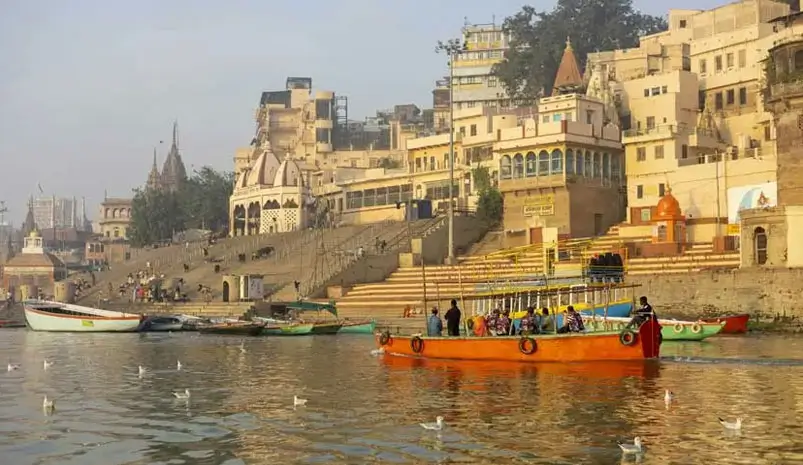
For those seeking India’s soul, Varanasi is incomparable. One of the world’s oldest living cities, it stands on the sacred banks of the Ganges River, where life and faith intertwine every day.
Watching dawn on the ghats as priests chant prayers and pilgrims bathe in the holy waters is an unforgettable experience. The Ganga Aarti ceremony at sunset fills the air with incense, bells, and devotion.
Varanasi contrasts sharply with Rajasthan’s grandeur. Here, the charm lies in spirituality, not architecture. Narrow alleys reveal ancient temples, silk weavers at work, and timeless rituals that have continued for millennia.
Foreign travelers often extend their Golden Triangle India tour with a train or short flight from Agra or Delhi to Varanasi. Reputed operators seamlessly handle the transfers, combining royal Rajasthan with spiritual India in a single itinerary.
When combining Delhi, Agra, Jaipur, and one or more extensions, pacing is key. A balanced route allows both discovery and downtime.
A sample structure might include:
Such a route delivers everything foreign travelers hope for — royalty, romance, and reflection — making it India’s ultimate two-week journey.
Extending the Golden Triangle often means longer drives, but that’s exactly where a private chauffeur-driven tour shines.
Your driver remains with you throughout, ensuring familiarity and continuity. Vehicles are air-conditioned, well-maintained, and equipped for long journeys. You can stop at roadside cafes, photograph rural life, or visit small temples en route — none of which are possible in rigid group tours.
For foreign visitors, having an English-speaking driver is invaluable. They assist with navigation, language, and local etiquette, turning road travel into a safe, enjoyable cultural exchange.
Companies specializing in Rajasthan and North India routes, such as India Trip Driver and Rajasthan Tour Taxi, are known for professional service, fair pricing, and well-planned itineraries.
A longer itinerary allows you to indulge in India’s world-class hospitality. Rajasthan, in particular, offers heritage havelis and palace hotels that rival Europe’s finest properties.
Guests can stay at Rambagh Palace Jaipur, Taj Lake Palace Udaipur, or RAAS Jodhpur — each combining royal decor with modern amenities. For mid-range travelers, charming options like Shahpura House, Jagat Niwas Palace, and Bhanwar Niwas offer authentic heritage at comfortable prices.
Varanasi adds a different charm, with boutique stays overlooking the ghats such as BrijRama Palace or Ganges View Hotel.
Every property carries a sense of place — allowing travelers to live the culture, not just visit it.
An extended India highlights trip isn’t just about monuments. It’s about the moments that fill the spaces between them.
In Jaipur, travelers can join block-printing workshops or learn Indian cooking with a local family. Udaipur offers sunset cruises and puppet shows. Jodhpur’s surrounding villages reveal artisans weaving carpets and crafting pottery.
In Varanasi, sunrise boat rides and evening walks along the ghats show the continuity of India’s spiritual life. Each activity deepens your connection to the destination — something mass tours often overlook.
Every region adds new flavors to your plate. Delhi excites with street food like parathas and kebabs. Agra tempts with Mughlai cuisine. Jaipur brings Rajasthani thalis rich with dal baati churma and laal maas.
Udaipur offers lighter dishes with Gujarati influence, while Varanasi introduces traditional sweets and lassi served in clay cups.
Private travel lets you dine where authenticity thrives — not just at tourist restaurants. Drivers recommend safe, clean eateries suited to your palate, ensuring you enjoy India’s diversity through its food.
A common concern among travelers is fatigue. The extended circuit, however, offers balance. After the buzz of Delhi and Agra, Udaipur’s lakes bring serenity. After Jaipur’s forts, Jodhpur’s slow desert evenings refresh the mind.
Most itineraries include leisure evenings for spa treatments, rooftop dinners, or folk performances. This rhythm of energy and calm keeps the journey exciting yet restful — perfect for first-time visitors to India.
The best period remains October to March, when temperatures are mild and skies clear. This season coincides with major festivals like Diwali, Pushkar Fair, and Holi, adding cultural vibrancy.
If traveling in summer, choose cooler cities like Udaipur or hill regions near Jaipur. Monsoon (July–September) paints Rajasthan green and brings fewer crowds — ideal for photography and value pricing.
Tour companies can adapt routes for weather, ensuring comfort year-round.
These small preparations ensure a smooth, safe journey through India’s heartland.
The standard triangle already delivers an unforgettable impression, but extending it transforms your perception of India. It introduces balance — the grandeur of Rajasthan, the serenity of Varanasi, and the human warmth found in between.
Each city teaches something new: Delhi about modern India’s confidence, Agra about eternal love, Jaipur about royal pride, Udaipur about beauty, Jodhpur about courage, and Varanasi about faith.
Together, they tell India’s full story — one that lingers long after you return home.