
Jaipur, founded by Maharaja Jai Singh II in 1727, is one of India’s most sought-after tourist destinations. Its rich history and plethora of monuments have made it a popular destination for travelers looking to explore the city’s heritage. If you are planning on visiting Jaipur to experience its wonders, then make sure you visit some of its historically significant monuments and sites. Here we provide all the information you need about these historical places in the Pink City including their timings and Jaipur monuments ticket prices so that your trip can be as enjoyable as possible.
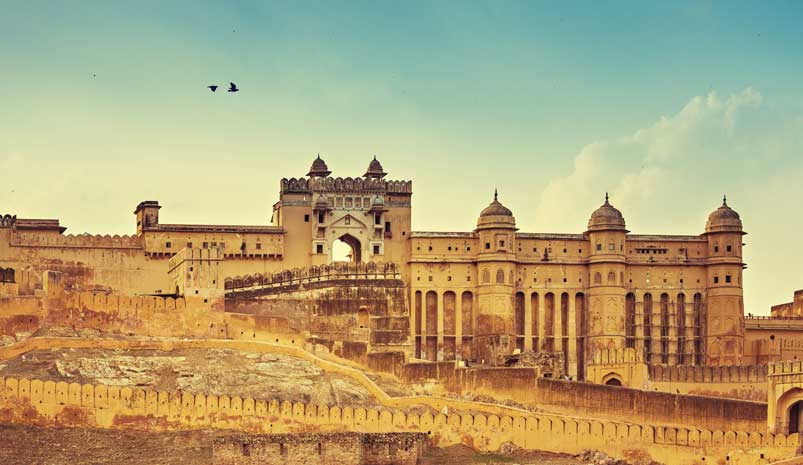
The Amber Fort, located on a rugged hill overlooking Maota Lake, is a UNESCO World Heritage Site that narrates the tales of Rajasthan’s valor and magnificence. The fort’s massive walls, gateways, and ramparts are built from pink and yellow sandstone, creating a harmonious blend with the natural surroundings. The intricate mirror work within the Sheesh Mahal (Mirror Palace) and the grandeur of the Diwan-i-Khas (Hall of Private Audience) highlight the artistry and craftsmanship of the Rajput era. One can ascend to the fort on foot, by elephant, or by jeep, experiencing not only the fort’s historical richness but also panoramic views of the surrounding landscape.
Timings: 8:00 AM – 5:30 PM
|
Visitor Type |
Entry Fee (Daytime) |
| Indian Tourists | INR 200 |
| Foreign Tourists | INR 1,000 |
Skip the stress of planning routes, parking, and monument timings. Book a private Jaipur Sightseeing Tour with an experienced local driver and comfortably visit Amber Fort, Hawa Mahal, City Palace, Jantar Mantar, Nahargarh Fort, Jaigarh Fort, Albert Hall Museum, and more in a single day.
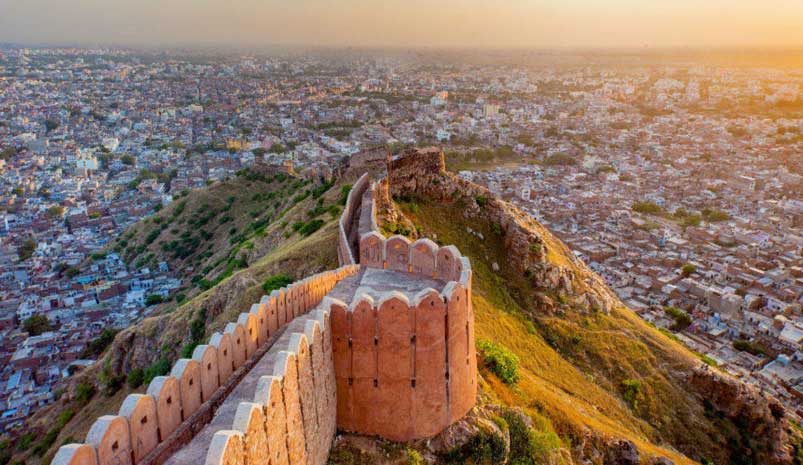
Perched on the Aravalli Hills, Nahargarh Fort offers a panoramic view of Jaipur’s landscape. The fort was built as a retreat and defense structure in the 18th century. The architectural elements of Nahargarh Fort reflect both Indian and European influences. The palace complex within the fort features suites, galleries, and a dining area adorned with delicate frescoes and intricate designs. The fort’s location provides an ideal spot to enjoy sunsets over the city while relishing the historical charm of the region.
|
Suggested Itineraries |
|
| Jaipur Sightseeing Tour | View Tour |
| Jaipur Elephant Safari Tour | View Tour |
| Walking Tour of Jaipur | View Tour |
| Night Tour of Jaipur | View Tour |
| Jaipur Shopping Tour | View Tour |
| Day Trip to Pushkar from Jaipur | View Tour |
| Jaipur Sightseeing by Tuk Tuk | View Tour |
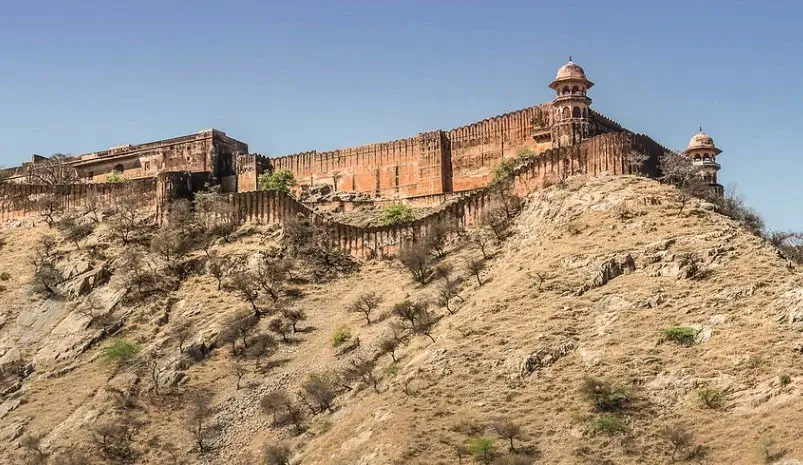
Rising above the Amber Fort, the Jaigarh Fort stands as a sentinel of Jaipur’s military history. Known as the “Victory Fort,” it was constructed to protect the Amber Fort and the city from potential invasions. One of the fort’s highlights is the massive Jaivana Cannon, one of the world’s largest cannons of its time. The fort’s robust architecture, expansive courtyards, and stunning views of the Aravalli hills make it a must-visit destination.
Timings: 9:00 AM – 4:30 PM
|
Visitor Type |
Entry Fee (Daytime) |
| Indian Tourists | INR 10 |
| Foreign Tourists | INR 150 |
| Indian Students | INR 10 |
| Foreign Students | INR 50 |
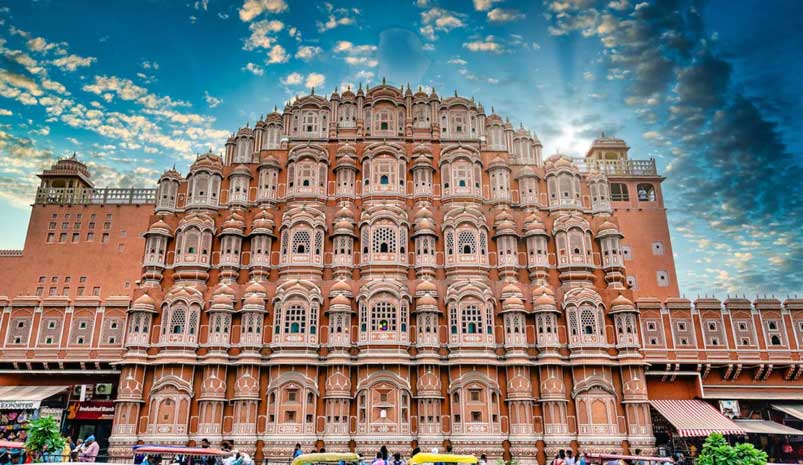
The Hawa Mahal is a five-story palace constructed in 1799 by Maharaja Sawai Pratap Singh. This architectural marvel is renowned for its intricate pink sandstone façade with 953 small windows, or jharokhas, adorned with latticework. The purpose of these windows was to allow royal women to observe everyday life and public events in the bustling streets below while maintaining their privacy. The palace’s design is a stunning fusion of Rajput and Mughal architectural styles. From the outside, the Hawa Mahal appears like a honeycomb of delicate screens, while the interior houses beautifully decorated chambers and passages.
Timings: 9:00 AM – 4:30 PM
|
Visitor Type |
Entry Fee (Daytime) |
| Indian Tourists | INR 50 |
| Foreign Tourists | INR 200 |
| Indian Students | INR 10 |
| Foreign Students | INR 100 |
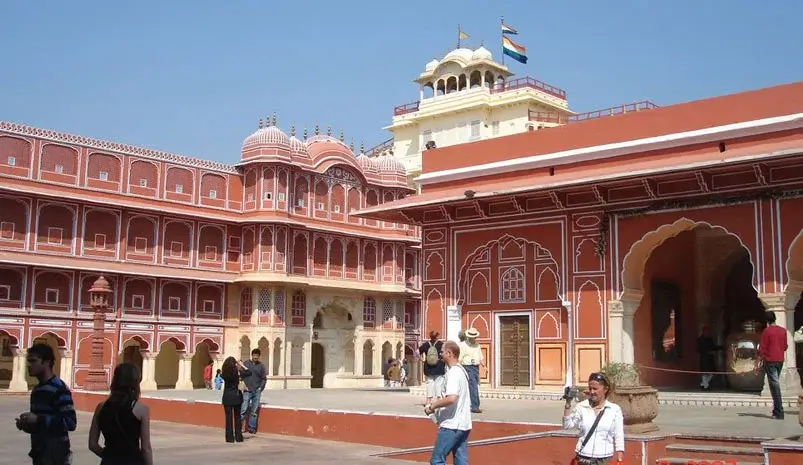
The City Palace is a sprawling complex that showcases the grandeur of Jaipur’s royal heritage. The palace complex includes the Chandra Mahal, a seven-story structure where the current royal family resides, and the Mubarak Mahal, which houses the Maharaja Sawai Man Singh II Museum. The museum’s exhibits offer a glimpse into the opulent lifestyle of the Rajput rulers, displaying royal costumes, weapons, artworks, and artifacts. The architectural details, marble courtyards, and beautifully landscaped gardens make the City Palace a captivating destination that reflects the regal history of Jaipur.
Timings: 9:30 AM – 5:00 PM
|
Visitor Type |
Entry Fee (Daytime) |
| Indian Tourists | INR 200 |
| Foreign Tourists | INR 700 |
| Indian Students | INR 100 |
| Foreign Students | INR 400 |
Planning to visit Jaipur's famous forts and palaces? Hire a private taxi with a professional driver and enjoy flexible sightseeing without worrying about entry timings, parking, or local transportation. Perfect for families, couples, and international travelers.
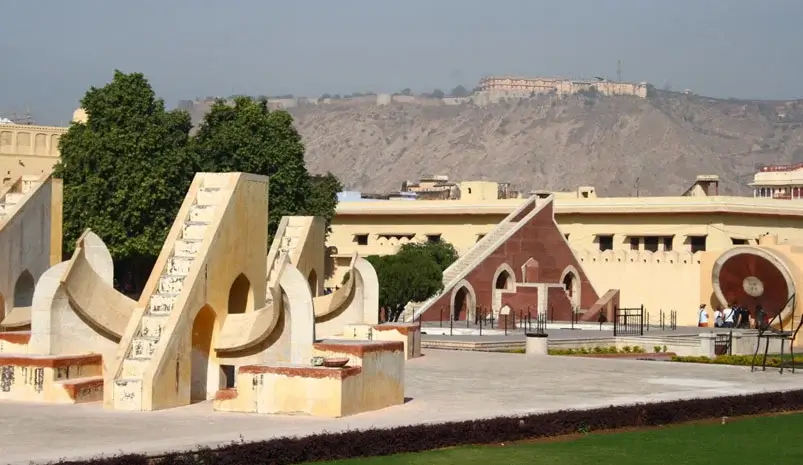
The Jantar Mantar in Jaipur is one of five observatories built by Maharaja Sawai Jai Singh II in different parts of India. It’s a remarkable testament to his passion for astronomy and advanced scientific knowledge. The observatory features a collection of 19 astronomical instruments, including the world’s largest stone sundial, which can accurately tell the time within two seconds. The other instruments are designed to measure celestial movements, predict eclipses, and track planetary positions. The Jantar Mantar showcases the fusion of astronomy, mathematics, and architectural precision in a breathtaking manner.
Timings: 9:00 AM – 4:30 PM
|
Visitor Type |
Entry Fee (Daytime) |
| Indian Tourists | INR 50 |
| Foreign Tourists | INR 200 |
| Indian Students | INR 15 |
| Foreign Students | INR 100 |
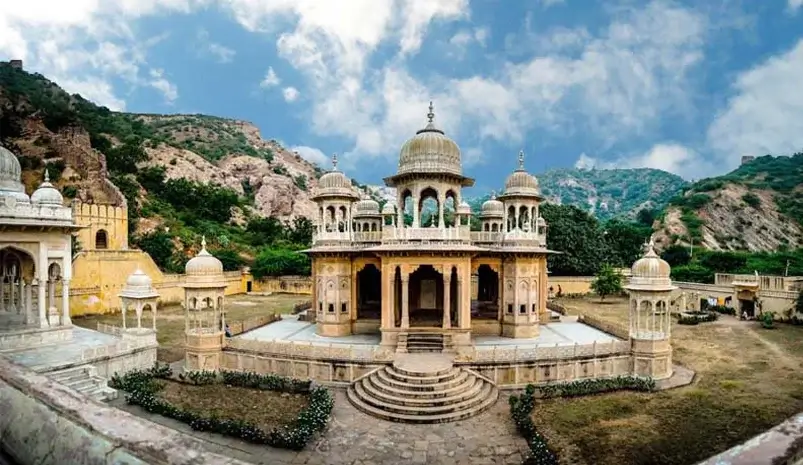
Gaitore is a royal cremation ground that showcases the exquisite marble cenotaphs of the Jaipur’s rulers. The cenotaphs, known as “chhatris,” are ornately carved and decorated with intricate patterns and motifs. They are a testimony to the Rajput architectural style and the reverence the rulers held for their ancestors. Gaitore provides a serene environment for visitors to appreciate the regal legacy of Jaipur’s past rulers and their contributions to the city’s cultural landscape.
Timings: 9:00 AM – 5:00 PM
|
Visitor Type |
Entry Fee (Daytime) |
| Indian Tourists | INR 30 |
| Foreign Tourists | INR 100 |
| Indian Students | INR 10 |
| Foreign Students | INR 50 |
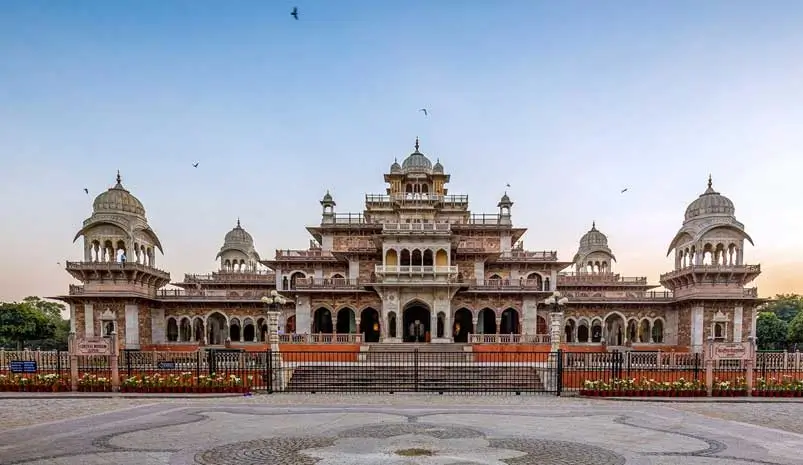
The Albert Hall Museum, located in the heart of Jaipur, is a neo-classical structure designed by Sir Samuel Swinton Jacob. It was opened to the public in 1887 and is named after Prince Albert, the consort of Queen Victoria. The museum’s grand architecture and Indo-Saracenic style make it a prominent landmark. The exhibits encompass a wide range of artifacts, including sculptures, paintings, decorative arts, and textiles from both Rajasthan and other regions. The museum offers a glimpse into the artistic heritage of India through the ages.
Timings: 9:00 AM – 5:00 PM
|
Visitor Type |
Entry Fee (Daytime) |
| Indian Tourists | INR 40 |
| Foreign Tourists | INR 300 |
| Indian Students | INR 20 |
| Foreign Students | INR 150 |
In conclusion, Jaipur’s monuments transcend time, inviting visitors to step into the shoes of its former inhabitants and relive the grandeur of an era gone by. Each monument, with its distinctive architecture and historical significance, weaves a tapestry that showcases the city’s royal heritage. So, embark on this journey through architectural wonders, and let the past unfold before your eyes as you explore the enchanting monuments of Jaipur.
Our travel Faqs is your ultimate guide to exploring the top destinations in Rajasthan. From insider tips to comprehensive guides, we have everything you need to plan your trip with ease and convenience.
Amber Fort entry fees were revised by the Rajasthan government from January 2026. Rates differ for Indian and foreign visitors, so it is best to check the current fee chart at the ticket counter or on the official booking portal before your visit.
Amber Fort is open from 8:00 AM to 5:30 PM. Hawa Mahal and Jantar Mantar generally operate from around 9:00 AM to 4:30 or 5:00 PM. Timings can shift slightly during peak season or festivals.
Yes, Jaipur offers a composite tourist ticket that covers Amber Fort, Hawa Mahal, Jantar Mantar, Nahargarh Fort, and Albert Hall Museum, usually valid across two consecutive days, which saves money for travelers visiting multiple sites.
Hawa Mahal entry is priced separately for Indian and foreign tourists, with a lower rate for students. Ticket counters open early morning, and online booking is also available through the Rajasthan Tourism website.
Yes, elephant rides are available at the base of Amber Fort for an extra charge, though availability depends on weather conditions and timing. Jeep rides are also offered as an alternative.
The evening light and sound show at Amber Fort is ticketed separately from the fort entry fee and runs in both Hindi and English, narrating the history of the fort and the Kachhwaha rulers.
No, Jaigarh Fort requires a separate entry ticket. Some ticket counters offer a combined pass for Amber Fort and Jaigarh Fort, so it is worth asking at the counter.
October to March offers the most pleasant weather for sightseeing in Jaipur. Early mornings work best for forts like Amber and Nahargarh to avoid crowds and heat.
Yes, tickets for Amber Fort, Hawa Mahal, Jantar Mantar, and City Palace can be booked online through the official Rajasthan Tourism portal, along with third party travel platforms.
A complete visit to Amber Fort takes about two to three hours, covering the Diwan-e-Aam, Sheesh Mahal, Sukh Niwas, and the surrounding courtyards without rushing.
Yes, most Jaipur monuments including Amber Fort, Hawa Mahal, and Jantar Mantar offer discounted entry for Indian and foreign students who carry a valid ID card.
Two full days are generally enough to cover Amber Fort, City Palace, Hawa Mahal, Jantar Mantar, Nahargarh Fort, and Albert Hall Museum comfortably, along with time for local markets.