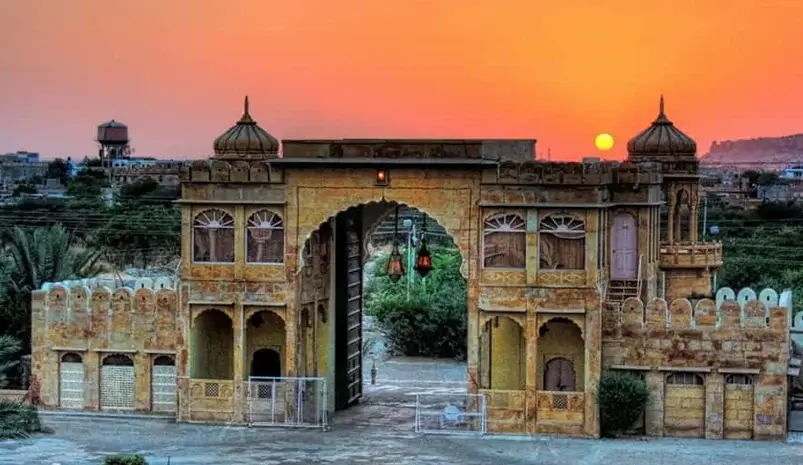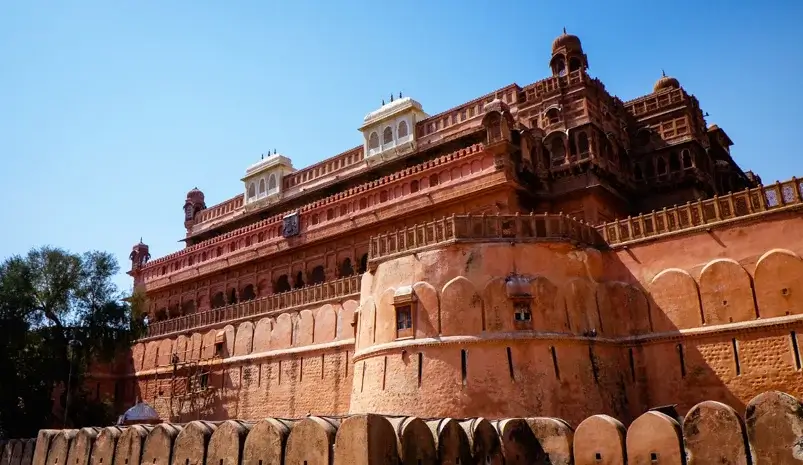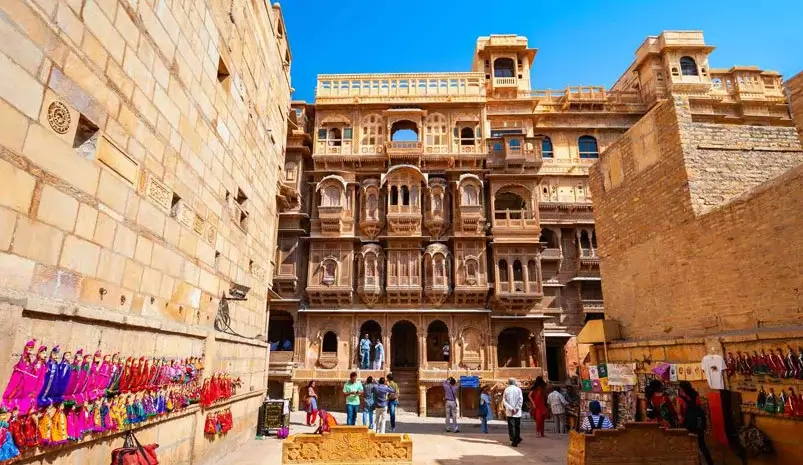
Jaipur, the enchanting Pink City of India, is a treasure trove of culture, architecture, and history. While tourists flock to well-known landmarks like the Hawa Mahal, Amber Fort and City Palace, the real magic of Jaipur often lies hidden in its lesser-known corners. These spots, away from the crowds, offer intimate glimpses into the soul of Rajasthani's traditions, artistry, spirituality and local life. Exploring these hidden gems of Jaipur is like peeling back the layers of a living museum. Each site holds stories untold, local legends, secret views or tranquil escapes that even many locals might overlook. Whether you're a first-time traveler, a history enthusiast, or a repeat visitor wanting something beyond the usual, these offbeat places promise unique experiences.
While Jaipur’s iconic sites are undeniably stunning, they represent just one dimension of the city. The lesser-known locations in JAipur provide:
Now, let’s uncover 15 of Jaipur’s best-kept secrets - Jaipur’s Hidden Gems: 15 Unique Locations
1. Panna Meena ka Kund
Tucked away near the famous Amber Fort, Panna Meena ka Kund is a beautiful 16th-century stepwell that’s often overlooked by tourists. With symmetrical staircases and serene water reflections, this place offers a tranquil escape and fantastic photography opportunities. Unlike more famous stepwells, this one retains a quiet, authentic charm, allowing visitors to appreciate its architecture in peace. It’s best visited early in the morning when the light hits the steps just right. Local legends say the kund was a community gathering place for villagers and travelers alike. While stepping into the water is prohibited now, the atmospheric stillness makes it a perfect place to sit, reflect and absorb the ancient engineering marvel.
2. Galta Ji Temple (Monkey Temple)
Galta Ji Temple is not just a place of worship but a peaceful spiritual retreat located in the Aravalli hills. The complex features multiple temples, sacred water tanks, and stunning views of the surrounding valley. What makes it even more intriguing is the large population of monkeys who inhabit the area. Despite being centuries old, this temple remains a hidden gem, rich in history and natural beauty, offering a blend of architecture, devotion and wildlife. The natural springs here are believed to be holy, and pilgrims bathe in them for spiritual cleansing. The temple’s sunset views over the hills are magical and rarely seen by rushed visitors.
3. Anokhi Museum of Hand Printing
Located near Amber, the Anokhi Museum is dedicated to preserving the ancient art of hand block printing a craft synonymous with Rajasthan. Housed in a beautifully restored haveli, the museum not only displays traditional block-printed textiles but also offers live demonstrations and hands-on workshops. It’s an eye-opener into the textile heritage of the region and a great stop for those who appreciate art, fashion, and craftsmanship. The museum's boutique also sells exclusive handmade products, making it ideal for ethical and culturally-rich shopping. The rooftop café adds a peaceful touch to the visit, offering great views of Amber town below.
4. Nahargarh Fort Baori (Stepwell)
While Nahargarh Fort itself is a well-known attraction, its hidden stepwell tucked in a quiet corner of the fort complex is often missed. Unlike the grandeur of the main fort structures, this baori has a raw, geometric beauty. It has become a favorite for filmmakers and photographers thanks to its unique, layered design and almost mystical ambiance. Visiting this spot gives you a fresh perspective on the fort’s history and engineering marvels. The silence here is striking, interrupted only by the sound of birds and wind echoing through the staircases. It’s also a cool retreat from the summer heat, nestled under the shadow of the ancient walls.
5. Gatore Ki Chhatriyan (Royal Cenotaphs)
Situated in a quiet valley at the base of the Nahargarh hills, Gatore Ki Chhatriyan is a hauntingly beautiful site with intricately carved cenotaphs of Jaipur’s former kings. The place exudes tranquility, far removed from the city's buzz. The mix of Mughal and Rajput architecture, marble domes, and stunning surroundings make it a perfect place for peaceful exploration and reflection. You can almost feel the legacy of Jaipur’s royal family here, especially during early mornings when the light casts golden shadows on the sandstone carvings. Despite its proximity to popular attractions, few tourists find their way here, which keeps its charm untouched.
6. Tarkashi Workshop in Old City
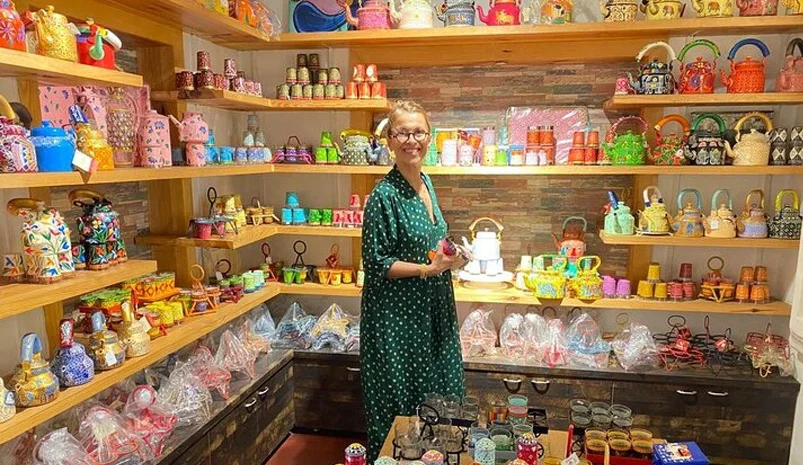
Tarkashi, the delicate art of brass wire inlay on wood, is a dying craft form that still survives in a few old-city workshops. Visiting a tarkashi artisan’s studio is a rare opportunity to witness this fine craftsmanship up close. Many of these workshops are tucked away in narrow lanes and often require a guide or local contact to find. It’s an unforgettable experience that also supports local artisans. Some artisans have been practicing this craft for generations, and their skills are a living part of Jaipur’s artistic legacy. Visitors can also purchase intricate boxes, trays, and furniture directly from the makers.
7. Chand Baori Lookalike at Abhaneri (Day Trip)
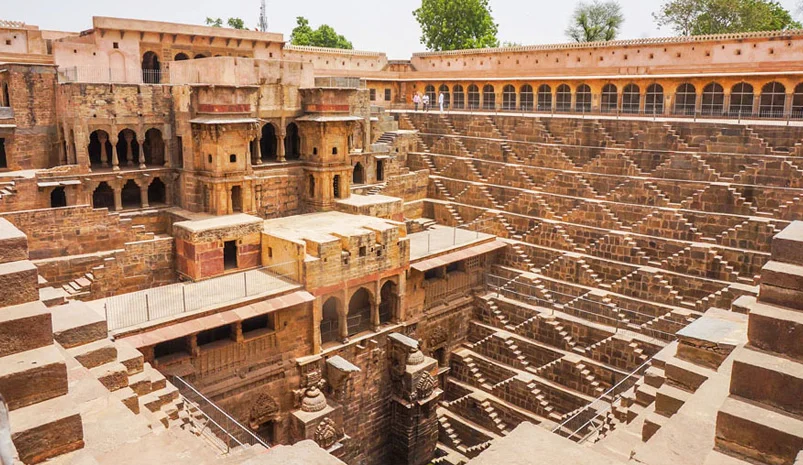
While technically located around 90 km from Jaipur, Abhaneri is a must-visit hidden gem for anyone staying in the city. The Chand Baori stepwell is one of the largest and oldest in the world. Its mind-boggling geometry, 3,500 perfectly symmetrical steps, and eerie silence make it an awe-inspiring spot. Most tourists miss this architectural wonder entirely, but it’s worth the short drive. Adjacent to the stepwell is the Harshat Mata temple, which adds a layer of spiritual significance to the site. The site’s isolation gives it a haunting atmosphere that amplifies its grandeur, making it an unmissable destination for history buffs.
8. Khole Ke Hanuman Ji Temple
Set atop a hill and surrounded by green landscapes, Khole Ke Hanuman Ji is a peaceful, lesser-known temple dedicated to Lord Hanuman. It’s not just a place of devotion but also offers panoramic views of the city and hills. The temple complex is beautifully maintained, and the spiritual ambiance here is strong, yet welcoming and peaceful. Unlike other temples, it rarely gets crowded, making it ideal for introspective visitors. The climb up to the temple is lined with shrines, and early mornings here offer an almost mystical experience. Devotees often bring sweets or offerings, and the sound of temple bells fills the crisp air.
9. Samode Village & Palace
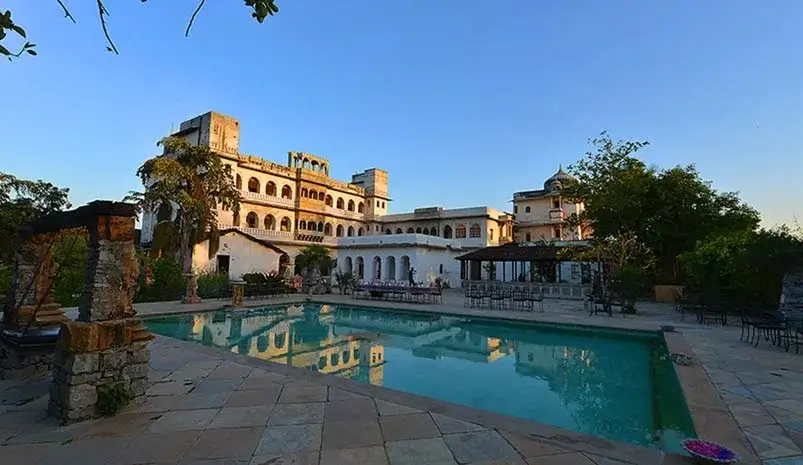
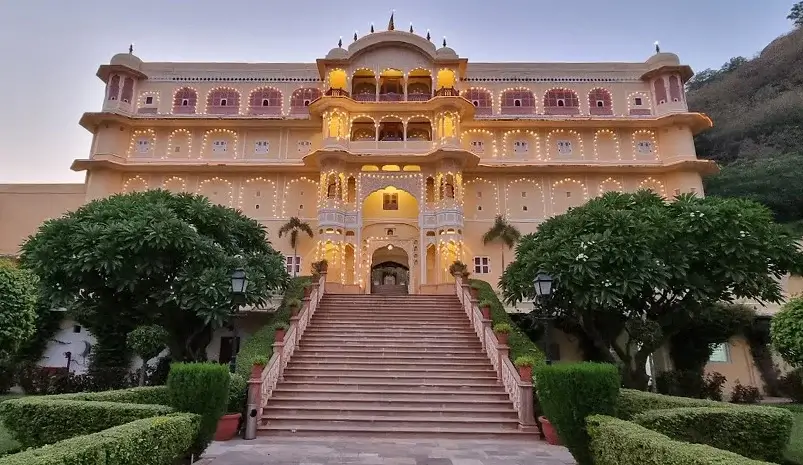
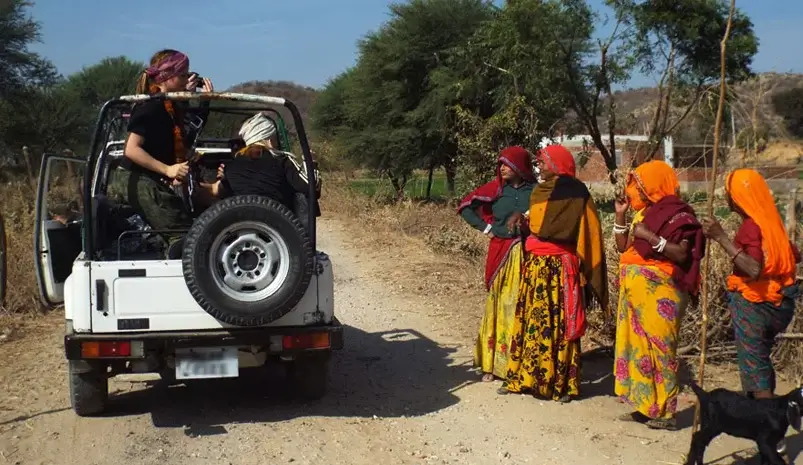
Located about 40 km from Jaipur, Samode is a stunning heritage village known for its 475-year-old palace. The Samode Palace, with its intricate frescoes and luxurious decor, is less touristy than Jaipur’s main forts but equally mesmerizing. The village itself offers a slice of Rajasthani rural life, with mud houses, friendly locals, and traditional crafts. This offbeat day trip is perfect for travelers seeking culture and tranquility. You can also stay overnight at the heritage hotel inside the palace and enjoy royal-style hospitality. Camel rides and village walks are popular here, giving you a deeper understanding of rural Rajasthan’s customs and charm.
10. Kale Hanuman Ji Temple
Unlike most depictions of Lord Hanuman as red or orange, this rare temple features a black idol - hence the name ‘Kale Hanuman Ji’. Located near Hawa Mahal, this temple often goes unnoticed. The idol is believed to be around 1000 years old and is considered highly powerful by devotees. Its spiritual energy, old-world architecture, and peaceful setting make it a unique place of worship. The temple's compact size adds to its charm, and many locals visit daily with deep devotion. Its understated presence amidst Jaipur’s hustle makes it a serene pocket of faith in the heart of the city.
11. Jawahar Kala Kendra (JKK)
Though it hosts events and exhibitions, Jawahar Kala Kendra is often underestimated as an everyday attraction. Designed by Charles Correa, this cultural complex is a modern architectural marvel inspired by Vedic astronomy. It houses art galleries, a library, theaters, and crafts shops. Visitors can enjoy impromptu music performances, art installations, or just wander around its serene courtyards. It's a haven for art lovers and cultural explorers. JKK often hosts theater festivals, artist residencies, and film screenings, making it one of Jaipur’s most vibrant creative spaces. Even casual visitors are likely to stumble upon local art in progress or a handmade crafts market.
12. Sargasuli Tower
Also known as the Isarlat, this 18th-century minaret offers one of the best panoramic views of Jaipur’s old city. Despite being in the heart of the city, it often escapes tourist radars. A spiral staircase leads you to the top, where you can admire the city's iconic pink buildings, bustling bazaars, and distant forts. It's a simple but rewarding climb that provides great insight into the city's layout. Originally built to commemorate a royal victory, it stands tall as a silent witness to Jaipur’s history. Its height and central location make it perfect for getting your bearings or capturing a unique aerial shot.
13. Kanota Dam
A little over 15 km from Jaipur, Kanota Dam is an ideal spot for a quiet picnic or a photography session. Surrounded by small hills and sparse forests, the dam is best visited during the monsoon or winter months. It’s a favorite among locals looking for a quick escape into nature. Sunrise and sunset views here are especially breathtaking, making it a great hidden spot for nature lovers. Birdwatchers often frequent the area, and the calm waters make for great reflection shots. Since it's not a commercial site, it’s best to bring your own snacks and leave no litter behind.
14. Purohiton Ki Haveli
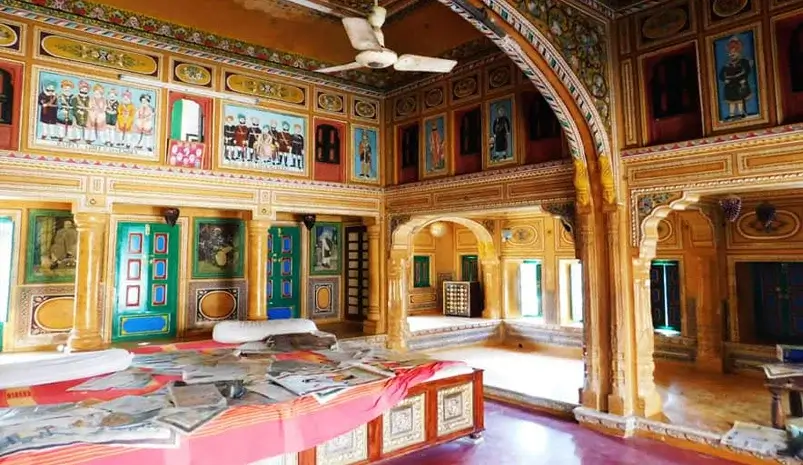
Hidden in the old city, Purohiton Ki Haveli is a private heritage home in Jaipur that offers a glimpse into the architectural elegance of a bygone era. Some sections of the haveli have been restored, while others remain untouched, giving it a time-capsule-like feel. The frescoes, courtyards and intricate mirror work reflect the grandeur of Rajasthan's royal past. Visits usually need to be arranged in advance but are well worth the effort. The haveli has even been used as a filming location and attracts artists and historians who admire its design. It's a true hidden jewel, ideal for cultural enthusiasts.
15. Amer Sagar Lake
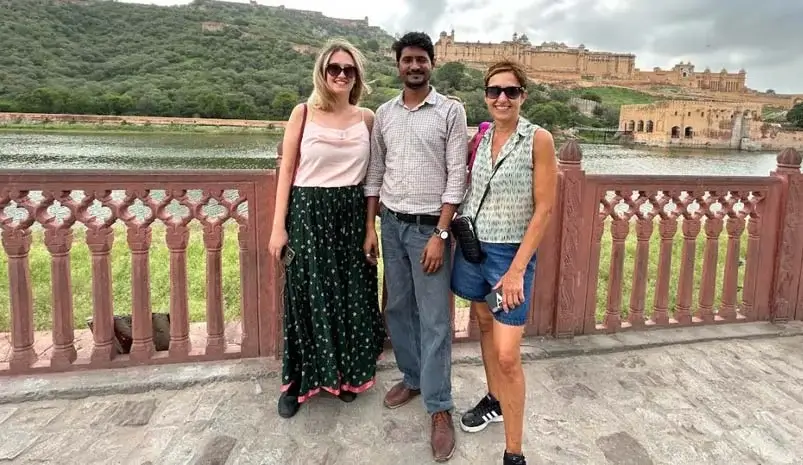
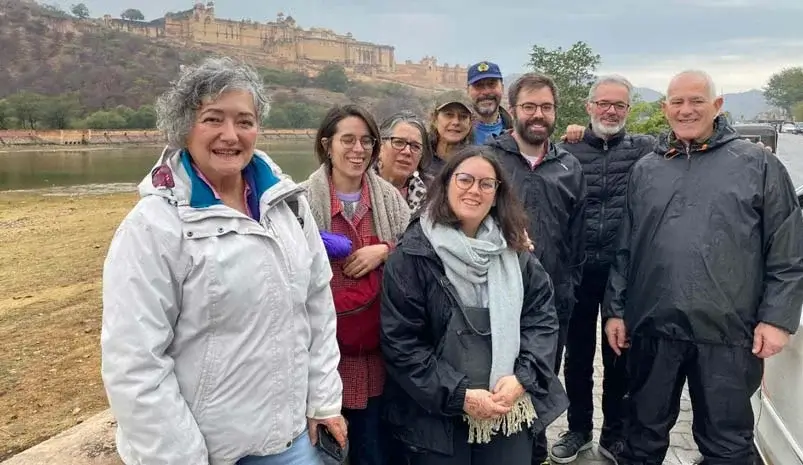
Close to Amber Fort but rarely visited, this small, serene lake was once a crucial water source for the region and the Amber Palace. Built in the 17th century, it formed part of a sophisticated water conservation system that sustained the royal city. The lake is surrounded by ancient temples, pavilions, and crumbling ruins that whisper stories of a forgotten time. It’s an ideal place for nature walks, photography, or quiet contemplation away from Jaipur’s tourist-heavy spots. Best visited early morning for calm reflections and bird watching.
While iconic sites are a must-see, exploring hidden gems offers authentic, less-crowded and more immersive experiences. You get to connect with the culture on a deeper level, discover unique architecture, and often have the entire space to yourself!
Some of Jaipur’s lesser-known but stunning spots include Panna Meena ka Kund, Gatore Ki Chhatriyan, Khole Ke Hanuman Ji Temple, and the Anokhi Museum of Hand Printing. These places are often missed by regular tourists but offer authentic cultural and architectural experiences.
Yes, most hidden gems in Jaipur are safe to visit during daylight hours. However, it's always advisable to go in groups or with a local guide, especially when exploring remote areas or those with limited tourist footfall.
Samode is about 40 km and Abhaneri around 90 km from Jaipur. You can reach both by car or taxi, and they make for great half-day or full-day trips. Hiring a private cab is the most convenient way to explore these places.
Many hidden gems like Panna Meena ka Kund or Gatore Ki Chhatriyan have minimal or no entry fees. Some, like Anokhi Museum or Samode Palace, may charge a small fee for entry or guided tours. It's best to carry some cash for local entries.
The best time is from October to March, when the weather is cool and pleasant. This makes it ideal for walking tours, photography, and exploring offbeat places without discomfort from the heat.
Absolutely. Places like Panna Meena ka Kund, Nahargarh Fort Baori, and Sargasuli Tower offer unique angles, symmetry, and natural lighting—perfect for photographers and content creators looking for Jaipur’s lesser-seen sides.
While many spots can be visited independently using Google Maps, hiring a local guide can greatly enhance the experience. They often share historical insights, hidden facts, and help you discover places that even maps may not list.
Places like Kaleidoscope Café, Tapri Central, and Curious Life Coffee Roasters offer cozy and artsy vibes with offbeat decor and excellent food. These modern hideouts are perfect for relaxing after a day of sightseeing.
Yes, many locals prefer these spots for peaceful outings, morning walks, or spiritual visits. For example, Khole Ke Hanuman Ji and Kanota Dam are popular among Jaipur residents, especially during weekends and festivals.