
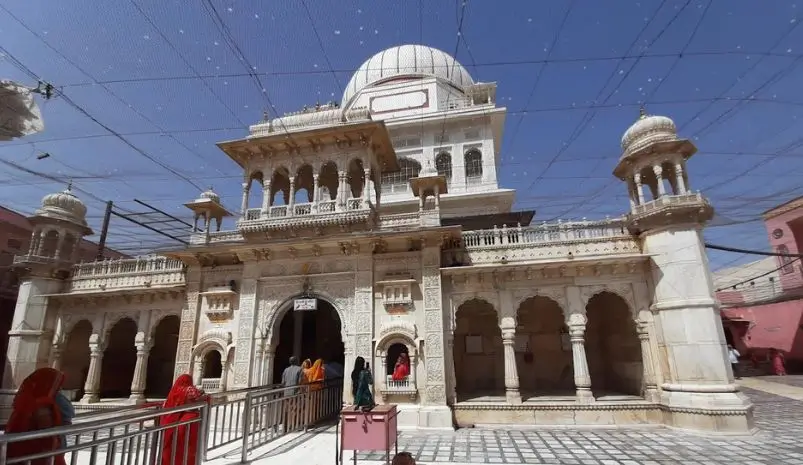
Around 30 kilometers from Bikaner, in the small town of Deshnoke, stands one of India’s most unusual and internationally famous temples — Karni Mata Temple, popularly known worldwide as the “Rat Temple.” Unlike ordinary pilgrimage destinations, this temple attracts visitors not only because of spiritual devotion but also because thousands of sacred rats move freely throughout the complex and are worshipped respectfully by devotees.
For first-time travelers, the experience feels almost surreal. Marble courtyards, silver doors, devotional chants, temple bells, and hundreds of small black rats running across floors create an atmosphere unlike anywhere else in Rajasthan. Yet despite its unusual reputation, Karni Mata Temple Deshnoke remains deeply sacred for local communities and devotees who believe the rats represent spiritually significant beings connected to the blessings of Karni Mata.
The temple is especially famous among international tourists because it combines spirituality, mystery, architecture, local legend, and cultural uniqueness together. Travelers exploring Rajasthan often include Deshnoke while visiting Bikaner because the temple offers one of the most memorable cultural experiences in the state.
At the same time, Karni Mata Temple is far more than a curiosity-driven tourist attraction. For devotees, it is a place of immense faith where generations have prayed for protection, family well-being, prosperity, and spiritual blessings. Religious rituals continue throughout the day, and local worship traditions remain deeply respected.
Many travelers visiting Bikaner through a private Rajasthan sightseeing taxi or a Bikaner heritage road trip combine Karni Mata Temple with Junagarh Fort, Rampuria Havelis, and Camel Research Farm in a single itinerary.
Understanding the story of Karni Mata is essential to understanding why the temple holds such importance for local devotees and why rats are considered sacred inside the complex.
Karni Mata was a highly respected Hindu mystic and spiritual figure believed to have lived between the fourteenth and fifteenth centuries. She is widely regarded by followers as an incarnation of Goddess Durga and became especially influential across Rajasthan’s Charan communities and Rajput kingdoms.
Historical traditions describe Karni Mata as a spiritual guide known for wisdom, miracles, social influence, and protection of local rulers. Several Rajput kings reportedly sought her blessings and guidance during important political and military decisions.
One of the most important legends connected to the temple explains the sacred rats inside the complex. According to local belief, when a child from Karni Mata’s family died, she requested the god of death to restore the child’s life. When this was refused, Karni Mata declared that members of her community would no longer pass through the ordinary cycle of death and rebirth. Instead, they would be reborn as sacred rats before returning again in human form.
Because of this belief, the rats inside the temple are treated with deep respect and protection rather than fear or disgust. Devotees feed them milk, grains, and sweets while moving carefully through temple spaces to avoid harming them.
The rats are known locally as “kabbas,” and many devotees believe seeing certain special rats, especially white rats, brings spiritual blessings and good fortune.
The reason Karni Mata Temple Rajasthan became internationally famous is the extraordinary population of sacred rats living freely throughout the temple complex.
Thousands of rats move openly across marble floors, courtyards, railings, feeding areas, and temple walls while devotees walk carefully among them during darshan. Unlike ordinary urban rodents, these rats are protected, fed, and considered spiritually significant by temple followers.
Visitors quickly notice that the rats appear unusually calm around humans because they have lived safely inside the temple environment for generations.
Large metal bowls filled with milk, grains, sweets, and water are placed throughout the complex specifically for feeding them. Devotees often consider it highly auspicious if a rat walks across their feet during temple visits.
The white rats inside the temple are especially revered because they are considered rare manifestations carrying stronger spiritual blessings. Many visitors spend long periods quietly observing the temple hoping to spot one.
Despite international fascination with the temple’s rat population, local devotees remain deeply focused on Karni Mata worship itself rather than the unusual tourist reputation attached to the site.
The temple’s spiritual atmosphere continues through regular prayers, aarti ceremonies, devotional singing, and continuous worship activities occurring throughout the day.
Although the rats receive most global attention, the architecture of Karni Mata Temple Deshnoke deserves equal appreciation. The temple complex combines marble craftsmanship, silver artistry, carved stonework, and traditional Rajasthan religious architecture beautifully.
The entrance gateway immediately creates visual impact with its white marble construction and detailed carvings. Large silver doors decorated with mythological figures and religious motifs lead visitors into the inner temple areas.
Inside the complex, marble courtyards, columns, decorative arches, and temple halls create an elegant spiritual environment contrasting sharply with the unusual presence of thousands of rats.
Several sections of the temple display fine craftsmanship associated with Rajasthan temple artistry including floral patterns, carved panels, and ornamental details.
The inner sanctum houses the idol of Karni Mata where devotees gather for prayer, offerings, and darshan throughout the day.
Despite heavy tourist interest, the temple continues functioning primarily as an active place of worship rather than a museum-like attraction. Religious rituals and local devotional traditions remain central to the atmosphere.
Photographers especially admire the contrast between white marble surfaces, moving rats, colorful devotional offerings, and traditional Rajasthan temple architecture.
Karni Mata Temple Timings and Entry Information
Understanding the Karni Mata Temple timings helps travelers plan smoother visits because crowd levels change significantly throughout the day and during festival periods.
Generally, the temple opens early morning around 4:00 AM and remains accessible until approximately 10:00 PM depending on season and religious events.
Morning and evening aarti sessions attract the largest devotional gatherings because prayer ceremonies create especially powerful spiritual atmosphere inside the complex.
Entry to the temple is generally free, though visitors may choose to make donations or purchase prasad offerings for religious purposes.
Footwear must be removed before entering the temple premises. Because rats move throughout the marble floors, visitors walk barefoot inside the complex. Some travelers initially feel uncomfortable with this experience, but most gradually adjust after entering.
Winter mornings and evenings provide the most pleasant conditions for temple exploration because Rajasthan desert temperatures remain comfortable.
Festival occasions connected to Karni Mata and Navratri celebrations attract especially large numbers of devotees from across Rajasthan and neighboring states.
Many travelers visiting from Bikaner prefer morning visits because crowds remain relatively manageable compared to later daytime hours.
Karni Mata Temple isn't famous because it's different—it's famous because its traditions have been preserved for generations.
For first-time visitors, entering Karni Mata Temple Rajasthan creates an experience unlike any other religious site in India.
The moment travelers remove their shoes and step inside the marble courtyard, they notice sacred rats moving freely around devotees, food offerings, and prayer spaces. Initial reactions vary widely depending on cultural background and comfort level around animals.
However, the atmosphere inside the temple often changes visitors’ perception quickly. Devotees behave respectfully and calmly while feeding the rats, offering prayers, and participating in rituals. The animals themselves appear accustomed to human presence and generally remain non-aggressive.
Many travelers become fascinated observing how deeply local communities respect the rats as spiritual beings rather than pests.
Temple priests continue religious ceremonies normally despite the constant movement of animals around the complex. The coexistence of intense devotion and unusual temple environment creates one of Rajasthan’s most unforgettable cultural experiences.
Travelers sensitive to crowded or unusual environments should mentally prepare beforehand because the experience can initially feel overwhelming.
At the same time, many international tourists later describe Karni Mata Temple as one of the most unique spiritual destinations they visited anywhere in India.
Winter remains the best season for visiting Karni Mata Temple Deshnoke because temperatures stay pleasant for temple exploration and road travel.
Between October and March, travelers can comfortably combine the temple with Bikaner sightseeing, local markets, and nearby heritage attractions.
Early morning visits provide calmer atmosphere and softer lighting conditions for photography. Evening aarti sessions, however, create stronger devotional atmosphere and more active temple energy.
Festival periods including Navratri attract enormous crowds but also offer highly vibrant spiritual celebrations filled with devotional music and rituals.
Summer afternoons in Rajasthan can become extremely hot, so travelers visiting between April and June generally prefer early morning or evening temple visits.
Some places challenge your imagination—and Karni Mata Temple is one of them. Witness centuries-old traditions, admire stunning marble architecture.
The temple is located in Deshnoke, approximately 30 kilometers from Bikaner city, making it one of the easiest half-day excursions from the region.
Road connectivity remains smooth and comfortable. Most travelers reach the temple within 40 to 50 minutes depending on traffic conditions.
Deshnoke also has a small railway station connected to Bikaner and nearby Rajasthan routes, though road travel remains more convenient for sightseeing-focused visitors.
Many tourists combine Karni Mata Temple with Junagarh Fort, Rampuria Havelis, Camel Research Farm, and local markets through a private Bikaner sightseeing cab.
Travelers exploring western Rajasthan through a private Rajasthan tour car often include Deshnoke while moving between Bikaner and Jaisalmer routes.
Travelers visiting Karni Mata Temple should prepare mentally for walking barefoot among large numbers of rats because this remains an unavoidable part of the temple experience.
Visitors uncomfortable around animals may initially feel uneasy, though most adapt quickly after observing the calm atmosphere inside the complex.
Respectful behavior remains essential because the temple functions as an active religious site rather than merely a tourist attraction.
Photography is generally allowed in outer temple areas, though visitors should remain sensitive while photographing devotees during prayer.
Carrying minimal luggage and valuables helps during crowded periods.
Travelers should avoid showing disrespect or fear toward the rats because local devotees consider them sacred.
Families with small children should supervise them carefully inside the temple complex because of the moving animals and crowded areas.
Hiring a private Rajasthan sightseeing taxi allows travelers to comfortably combine the temple with other Bikaner attractions while avoiding public transport limitations.
Our travel Faqs is your ultimate guide to exploring the top destinations in Rajasthan. From insider tips to comprehensive guides, we have everything you need to plan your trip with ease and convenience.
The temple is located in Deshnoke near Bikaner in Rajasthan.
The temple is famous for thousands of sacred rats living freely inside the complex.
Karni Mata was a revered Hindu mystic believed by devotees to be an incarnation of Goddess Durga.
The rats are generally calm and accustomed to human presence.
Yes, temple entry is generally free for visitors and devotees.
Winter months and early morning visits provide the most comfortable experience.
No, visitors must remove footwear before entering the temple premises.
White rats are believed to bring good luck and spiritual blessings.
The temple is located approximately 30 kilometers from Bikaner city.
Many travelers prefer booking a private Bikaner sightseeing taxi or a Rajasthan heritage tour cab for smooth transportation between Bikaner and Deshnoke.