
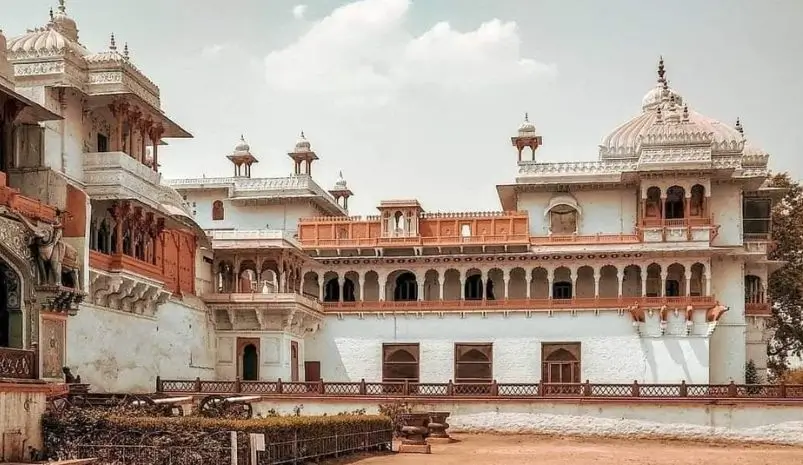
Located in the heart of Rajasthan's Shekhawati Region, Mandawa is one of the country's finest destinations for travellers who appreciate heritage architecture, traditional artwork and historic streets. While Rajasthan is widely recognised for magnificent forts and royal palaces, Mandawa presents a different side of the state's history. Instead of massive fortifications, the town is celebrated for its beautifully painted havelis, where colourful frescoes cover walls, balconies, courtyards and grand entrance gates.
Walking through Mandawa feels less like visiting a museum and more like stepping into a historic neighbourhood where architecture has remained part of everyday life for generations. Many of the old merchant mansions continue to stand proudly along narrow streets, reflecting the prosperity of business families who once controlled important trade routes across northern India. Every haveli displays unique artwork, making no two buildings exactly alike.
A Mandawa Haveli Tour is suitable for architecture enthusiasts, photographers, history lovers and travellers looking for a quieter destination away from Rajasthan's busiest tourist cities. The relaxed atmosphere allows visitors to spend time observing details that are often missed in crowded heritage sites. Decorative arches, hand-painted ceilings, carved wooden doors and colourful frescoes transform nearly every street into an open-air gallery.
Mandawa is also an excellent destination for a day trip or overnight stay from Jaipur. Comfortable road connections and the availability of heritage hotels make it easy to include the town within a longer Rajasthan itinerary covering Bikaner, Jodhpur or the wider Shekhawati Region.
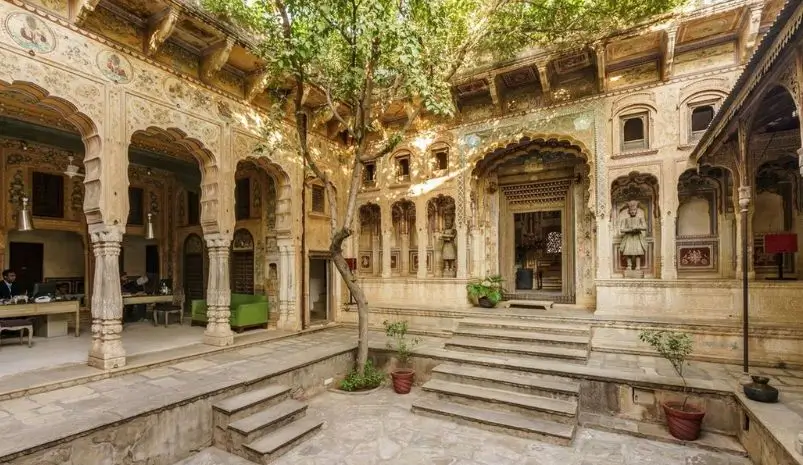
The reputation of Mandawa is built upon its extraordinary collection of painted havelis, many of which were constructed between the eighteenth and nineteenth centuries by wealthy merchant families. As trade flourished, prosperous businessmen invested their wealth in grand residences that reflected both their financial success and artistic taste.
Unlike ordinary homes, these havelis were designed as impressive family estates centred around spacious courtyards. Skilled craftsmen decorated every available surface with colourful frescoes featuring mythological stories, religious themes, floral patterns, royal processions and scenes from everyday life. As international trade expanded, artists also began incorporating trains, steamships, European visitors and technological innovations into their paintings, creating an unusual combination of traditional and modern influences.
One of the reasons Mandawa remains so attractive is the remarkable variety of architectural styles found within a relatively small area. Walking only a few minutes between neighbouring streets reveals entirely different artistic themes, decorative colours and construction techniques. Every haveli tells the story of the family who commissioned it, making each building unique.
The craftsmanship extends beyond painted walls. Visitors will notice finely carved wooden doors, decorative stone balconies, elegant jharokhas and beautifully designed windows that demonstrate the exceptional skill of local artisans. These architectural details helped provide natural ventilation while adding beauty to the residences.
Although time and weather have affected some buildings, restoration projects have helped preserve many important havelis. Several have been converted into museums or heritage hotels, allowing visitors to experience the interiors while learning about the region's cultural history.
Today, Mandawa continues to attract photographers, artists and architecture enthusiasts from around the world who wish to experience one of Rajasthan's most distinctive heritage destinations.
Mandawa is not simply a destination for sightseeing—it is a living canvas filled with vibrant frescoes, royal processions, mythology, everyday scenes.
A visit to Mandawa is incomplete without spending time inside its famous painted havelis. While the town contains dozens of impressive buildings, several stand out because of their artistic quality, historical importance and well-preserved architecture.
Hanuman Prasad Goenka Haveli is among the most photographed landmarks in Mandawa. Its exterior walls display detailed frescoes inspired by mythology, animals, floral patterns and scenes from traditional Rajasthani life. The balance of colour and craftsmanship makes it one of the town's finest examples of Shekhawati art.
Another popular attraction is Jhunjhunwala Haveli, recognised for its richly decorated façade and beautifully painted interior sections. Delicate ceiling artwork, carved wooden doors and ornamental balconies demonstrate the wealth and artistic ambition of the merchant family who commissioned the residence.
Murmuria Haveli attracts visitors because of its distinctive paintings that combine traditional themes with unusual subjects inspired by global influences. Unlike many neighbouring mansions, this haveli includes artwork depicting modern inventions and personalities that fascinated artists during the period when the frescoes were created.
Gulab Rai Ladia Haveli is equally admired for its elegant carvings and colourful decorative panels. Walking through the surrounding streets also reveals numerous smaller havelis that may not appear in guidebooks but offer equally rewarding architectural details.
Many visitors enjoy exploring Mandawa without following a strict route. Simply walking through the historic neighbourhood often leads to unexpected discoveries, including beautifully painted gateways, hidden courtyards and quiet lanes where remarkable frescoes decorate buildings that receive very little tourist attention.
Allowing several hours for a relaxed Mandawa Haveli Tour provides enough time to appreciate both the famous landmarks and the lesser-known architectural treasures that make the town such an unforgettable destination.
Unlike a single monument with one entrance, Mandawa consists of numerous heritage buildings spread across the town. This means visitor arrangements vary depending on the haveli being visited.
Several painted havelis can be admired free of charge from the public streets, making Mandawa enjoyable even for travellers who simply wish to walk through the historic neighbourhood. Others operate as museums, heritage hotels or privately managed properties where an entrance fee may apply.
|
Information |
Details |
|---|---|
|
Town Access |
Open throughout the day |
|
Heritage Hotel Visits |
Subject to property rules |
|
Museum Havelis |
Usually open during daytime |
|
Photography |
Generally permitted in public areas |
Where admission tickets are required, the charges are determined by the individual property owners and may change periodically. Visitors should confirm the latest entry fee directly at the respective haveli before purchasing tickets.
Photography is widely enjoyed throughout Mandawa, especially in the public streets. However, if entering privately managed havelis or heritage hotels, visitors should always ask permission before photographing interior spaces.
Since sightseeing mainly involves walking through the old town, comfortable footwear, drinking water and sun protection are recommended, particularly during warmer months.
The relaxed pace of Mandawa allows visitors to enjoy architecture without rushing, making it one of Rajasthan's most rewarding destinations for heritage enthusiasts.
.webp)
One of the biggest advantages of visiting Mandawa is its convenient location. The town is well connected by road and can easily be included in a Rajasthan itinerary covering Jaipur, Bikaner, Jodhpur or the wider Shekhawati Region. While public transport is available, most international visitors prefer travelling by private vehicle because it offers greater comfort and flexibility.
The journey from Jaipur to Mandawa covers approximately 170 kilometres and usually takes 3.5 to 4 hours, depending on traffic and road conditions. The roads are generally in good condition, making the drive comfortable throughout the year.
Most travellers follow the route:
Jaipur → Chomu → Ringas → Sikar → Fatehpur → Mandawa
This route passes through small Rajasthani towns, agricultural landscapes and traditional villages, giving visitors a glimpse of rural life before arriving in Mandawa.
A private chauffeur-driven vehicle remains the most convenient option for a Mandawa Haveli Tour. Unlike public buses or shared taxis, private transport allows travellers to stop whenever they wish for refreshments, photography or short sightseeing breaks along the route.
Many visitors combine Mandawa with Nawalgarh and Fatehpur on the same day because the three heritage towns are located within a relatively short driving distance of each other.
By Train
Mandawa does not have a major railway station. The nearest railway stations are located at Jhunjhunu and Sikar, after which visitors continue by taxi or private vehicle.
By Air
The nearest airport is Jaipur International Airport, which offers excellent domestic and international connectivity. From the airport, a direct road journey to Mandawa is the easiest option.
Discover a side of Rajasthan where entire streets become works of art. Wander through Mandawa's historic lanes, admire beautifully painted frescoes, carved wooden doors.
Although Mandawa welcomes visitors throughout the year, weather conditions play an important role because nearly all sightseeing takes place outdoors.
The most pleasant period generally falls between October and March. During these months, daytime temperatures remain comfortable for walking through the heritage streets, while mornings and evenings provide excellent lighting for photography. Visitors can spend several hours exploring the painted havelis without feeling exhausted by the heat.
Summer brings much higher daytime temperatures. Travellers visiting during this season should begin sightseeing early in the morning, return to their hotel during the hottest part of the day and continue exploring in the late afternoon when conditions become more comfortable.
The monsoon season offers another interesting experience. Occasional rainfall refreshes the surroundings, and overcast skies create soft natural light that enhances the colours of the frescoes. Photographers often appreciate these lighting conditions because they reduce harsh shadows on painted walls.
Unlike Rajasthan's busiest tourist cities, Mandawa generally remains peaceful throughout the year. Even during the popular travel season, visitors can comfortably walk through most streets without encountering large crowds.
A little preparation helps visitors make the most of their Mandawa Haveli Tour. Since much of the sightseeing involves walking through narrow streets and heritage neighbourhoods, comfortable footwear is essential. Many roads are paved with traditional stone surfaces, making supportive shoes far more practical than sandals.
Because Mandawa is known primarily for its architecture, carrying a camera or smartphone with sufficient storage space is worthwhile. Every street offers opportunities to photograph colourful frescoes, carved balconies, decorative doors and traditional windows. Early morning and late afternoon remain the best times for photography because sunlight highlights the details without creating harsh shadows.
Visitors should remember that many havelis remain privately owned. While several buildings operate as museums or heritage hotels, others continue to serve as family residences. Respecting private property and asking permission before entering interior courtyards is considered good travel etiquette.
Keeping a reusable water bottle, sunscreen, sunglasses and a hat is advisable, especially when visiting during warmer months. Since sightseeing often lasts several hours, these small preparations make the experience much more comfortable.
Travellers interested in local handicrafts will find small shops selling paintings, textiles, handmade souvenirs and decorative items inspired by the traditional frescoes of Shekhawati. Purchasing from local artisans helps support the preservation of regional craftsmanship.
Many visitors also choose to spend a night in one of Mandawa's heritage hotels. Staying inside a restored haveli provides an opportunity to appreciate traditional architecture long after the daytime visitors have left the streets, creating a completely different atmosphere during the evening.
A visit to Mandawa becomes far more enjoyable when transportation is planned around your own schedule rather than fixed departure times. Since the town is often combined with Nawalgarh, Fatehpur, Jaipur or Bikaner, travelling by private vehicle allows complete flexibility throughout the journey.
Rajasthan Tour Taxi offers comfortable chauffeur-driven tours designed especially for international visitors who prefer personalised travel experiences. Whether you are planning a day trip from Jaipur or including Mandawa within a longer Rajasthan itinerary, private transportation allows you to stop for photography, local markets or roadside attractions whenever you choose.
With Mr. Shakeer and his experienced team, travellers receive reliable transportation, local route knowledge and the freedom to spend as much time as they wish at each heritage site without feeling rushed by group tour schedules.
Our travel Faqs is your ultimate guide to exploring the top destinations in Rajasthan. From insider tips to comprehensive guides, we have everything you need to plan your trip with ease and convenience.
Mandawa is famous for its beautifully painted havelis, colourful frescoes, traditional architecture and its importance within Rajasthan's Shekhawati Region.
The road distance is approximately 170 kilometres, and the journey usually takes around 3.5 to 4 hours.
Yes. A full day is sufficient to visit the main painted havelis, Mandawa Fort, local markets and heritage streets. An overnight stay offers a more relaxed experience.
No. Some havelis operate as museums or heritage hotels, while others remain privately owned. Visitors should respect local property rules.
Walking through the town is free. Some privately managed havelis or museums may charge an admission fee, depending on the property.
Hanuman Prasad Goenka Haveli, Jhunjhunwala Haveli, Murmuria Haveli and Gulab Rai Ladia Haveli are among the town's best-known heritage buildings
The most comfortable weather is generally experienced between October and March, making it the preferred period for sightseeing and photography.
Yes. Many visitors include Nawalgarh and Fatehpur in the same itinerary because they are located within a convenient driving distance.
Absolutely. The painted havelis, traditional streets, carved balconies and colourful frescoes make Mandawa one of Rajasthan's finest photography destinations.
Rajasthan Tour Taxi provides private chauffeur-driven tours from Jaipur and across Rajasthan, allowing travellers to visit Mandawa, Nawalgarh, Fatehpur and nearby destinations comfortably at their own pace.