
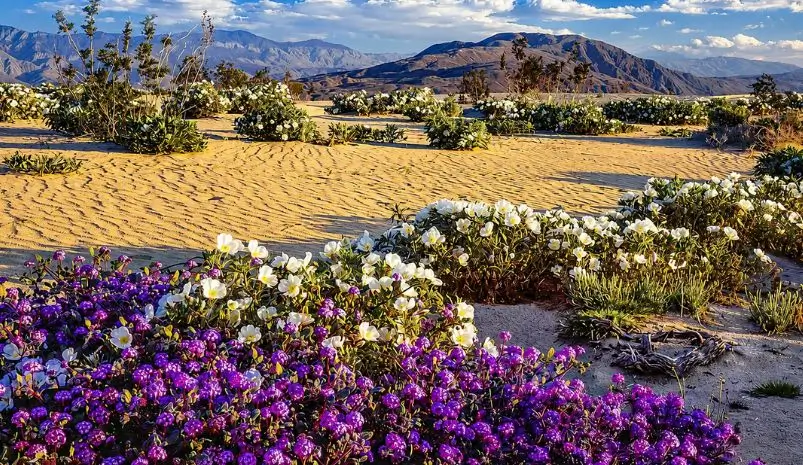
September marks the end of the monsoon season and the beginning of one of Rajasthan's most pleasant travel periods. The heavy summer heat has faded, the countryside is greener than usual and lakes across the state are replenished after seasonal rainfall. Although the peak tourist season has not yet begun, September offers comfortable weather, beautiful landscapes and quieter attractions, making it an excellent month for travellers who prefer a relaxed holiday.
Unlike the dry scenery often associated with Rajasthan, many regions look surprisingly fresh during September. The Aravalli Hills are covered with seasonal greenery, lakes around Udaipur are full, waterfalls continue flowing in several hill areas and the countryside surrounding forts becomes noticeably more colourful. This seasonal transformation offers a different perspective of Rajasthan that many first-time visitors do not expect.
The month is particularly suitable for road trips because highways remain in good condition after the monsoon, while daytime temperatures become far more comfortable than during the peak summer months. Heritage cities such as Jaipur, Jodhpur, Udaipur and Bundi can be explored without the large crowds that arrive later in the year.
Photography enthusiasts also appreciate September because soft post-monsoon light, dramatic cloud formations and lush surroundings create excellent conditions for landscape and architectural photography. Historic monuments appear even more striking against green hills and blue skies.
For visitors looking to experience Rajasthan before the busy winter season begins, September provides an ideal balance of comfortable weather, attractive scenery and peaceful sightseeing.
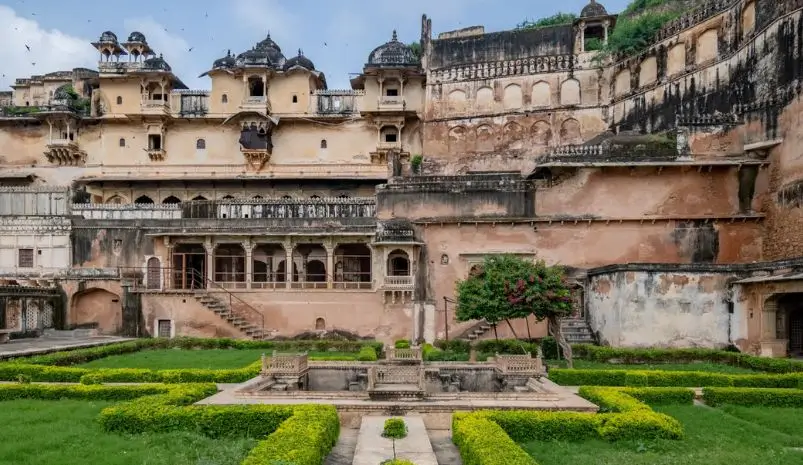
The climate changes noticeably during September as Rajasthan gradually moves away from the monsoon season. Rainfall becomes less frequent, humidity begins to decrease and temperatures remain much more comfortable than during late spring and early summer.
Average daytime temperatures generally range between 28°C and 34°C, while evenings often remain pleasant enough for outdoor dining, heritage walks and rooftop cafés. Morning temperatures are usually cooler, making early sightseeing particularly enjoyable.
Rain showers may still occur occasionally, especially during the first half of the month, but they are usually shorter and less frequent than during July and August. Most days offer long periods of dry weather, allowing visitors to continue sightseeing with minimal interruption.
The post-monsoon landscape is one of September's biggest attractions. Forests, gardens, lakes and hills remain green after the rains, creating scenery rarely associated with Rajasthan. Destinations such as Udaipur, Mount Abu, Kumbhalgarh, Ranakpur and Bundi become especially attractive during this period.
The pleasant weather also improves road travel. Long journeys between Rajasthan's major cities become more comfortable because daytime temperatures remain moderate compared with the intense heat experienced earlier in the year.
Rajasthan is not always golden and dry. In September, the landscape changes dramatically as greenery returns to the countryside, lakes reach their seasonal fullness.
.webp)
One of the greatest advantages of travelling during September is the opportunity to experience Rajasthan's famous destinations under completely different seasonal conditions.
Udaipur is among the state's most rewarding cities during this month. Lake Pichola, Fateh Sagar Lake, City Palace and the surrounding Aravalli Hills look particularly beautiful after the monsoon. Boat rides become even more enjoyable as the lakes remain full and the surrounding vegetation appears fresh and green.
Mount Abu continues to attract visitors seeking cooler temperatures and scenic landscapes. Mist-covered viewpoints, flowing waterfalls and pleasant walking trails create an experience unlike anywhere else in Rajasthan.
Kumbhalgarh Fort becomes especially photogenic during September. The famous fort walls stand above green hills, while the nearby Ranakpur Jain Temple is surrounded by lush countryside that enhances its peaceful atmosphere.
Jaipur is another excellent destination because sightseeing becomes more comfortable after the summer heat. Visitors can enjoy Amber Fort, City Palace, Hawa Mahal and local markets without the heavy crowds of the winter season.
For travellers looking beyond Rajasthan's most famous cities, Bundi offers beautiful palaces, historic stepwells and quiet streets that become even more attractive after the rains. The surrounding countryside provides excellent opportunities for photography.
Even Jodhpur and Jaisalmer benefit from the changing season. While they remain largely dry compared with southern Rajasthan, cooler temperatures make walking through forts, heritage streets and local markets much more enjoyable.
Beyond the famous landmarks, September offers several experiences that are difficult to enjoy during busier travel periods. Since visitor numbers remain relatively low, travellers have more opportunities to experience Rajasthan at a slower and more relaxed pace.
Early morning walks around Lake Pichola in Udaipur become especially peaceful after the monsoon. The combination of calm water, green hills and soft sunlight creates memorable photography opportunities without large crowds.
Road trips through the Aravalli Hills are another highlight of the season. Routes connecting Udaipur, Kumbhalgarh, Ranakpur and Mount Abu pass through landscapes that remain green long after the rains have ended, offering scenic drives very different from Rajasthan's traditional desert image.
Smaller heritage towns such as Bundi, Mandawa and Nawalgarh also become rewarding destinations because visitors can spend time exploring architecture without the busy atmosphere common during winter.
Local cafés, rooftop restaurants and heritage hotels often provide a quieter environment during September, allowing guests to enjoy relaxed evenings overlooking lakes, forts and palace complexes.
For photographers, changing cloud formations after the monsoon create dramatic backgrounds behind Rajasthan's sandstone architecture, producing images that are difficult to capture during the clear winter months.
.webp)
Travelling across Rajasthan in September is generally comfortable, but a few practical preparations can make the journey even more enjoyable. Since the weather changes between warm afternoons and pleasant mornings, packing lightweight clothing with one light jacket for the evening is usually sufficient.
Comfortable walking shoes remain essential because most sightseeing involves exploring forts, palaces, heritage streets and local markets. Some pathways at historical monuments may still be slightly damp after occasional rainfall, so footwear with a good grip provides extra comfort while walking.
A compact umbrella or lightweight rain jacket is worth carrying, particularly during the first half of September when brief showers are still possible in some parts of the state. These showers usually pass quickly and rarely affect an entire day's sightseeing.
Photography enthusiasts should carry lens cleaning cloths because changing weather conditions occasionally leave moisture on camera equipment. September is one of the most rewarding months for landscape photography, with green hills, dramatic clouds and clear reflections on Rajasthan's lakes creating exceptional images.
Visitors planning wildlife safaris should book permits in advance if travelling to Ranthambore National Park or other parks operating after the monsoon. Availability depends on the opening schedule announced by the forest authorities, so confirming dates before travel is recommended.
The pleasant weather also makes rooftop dining, evening heritage walks and outdoor cultural performances particularly enjoyable, allowing visitors to spend more time outdoors without the intense heat experienced earlier in the year.
September transforms Rajasthan into something truly unexpected. The monsoon fades, the Aravalli Hills turn green, lakes fill with fresh water, waterfalls continue to flow.
.webp)
The moderate climate during September allows visitors to comfortably cover several destinations while enjoying Rajasthan's changing landscapes. Since the post-monsoon scenery looks very different from the dry winter months, combining lakes, hills, heritage cities and forts creates a well-balanced itinerary.
Many travellers begin in Jaipur, spending two days visiting Amber Fort, City Palace, Hawa Mahal, Jantar Mantar and the colourful markets before continuing towards Bundi, where historic palaces and stepwells offer a quieter heritage experience.
From Bundi, the journey often continues to Udaipur, where Lake Pichola, Fateh Sagar Lake and the surrounding hills appear at their seasonal best. Travellers with additional time frequently include Kumbhalgarh Fort and Ranakpur Jain Temple, enjoying one of Rajasthan's most scenic road journeys through the Aravalli Hills.
A visit to Mount Abu adds another completely different landscape, with cooler temperatures, green forests and panoramic viewpoints providing a refreshing contrast to Rajasthan's desert regions.
Many visitors complete the journey by travelling to Jodhpur, exploring Mehrangarh Fort and the Blue City before continuing to Jaisalmer, where comfortable temperatures allow relaxed sightseeing around the Golden Fort and surrounding heritage attractions.
An itinerary lasting 8 to 10 days provides enough time to experience Rajasthan's famous cities together with its beautiful post-monsoon countryside.
.webp)
September also marks an important seasonal transition for Rajasthan's natural landscapes. Forests become greener, water bodies remain full and birdlife becomes increasingly active after the rains. Visitors interested in nature often find this period especially rewarding.
Roads passing through the Aravalli Range offer beautiful scenery, with green hills replacing the dry brown landscapes commonly associated with Rajasthan. The surroundings of Kumbhalgarh, Ranakpur, Mount Abu and parts of southern Rajasthan appear particularly attractive during this period.
Many lakes across the state reach healthy water levels after the monsoon. Lake Pichola, Fateh Sagar Lake, Ana Sagar Lake and several smaller reservoirs provide pleasant locations for evening walks and photography.
Depending on official forest department schedules, some wildlife destinations gradually reopen after the monsoon. Visitors planning wildlife experiences should always confirm the latest opening status before finalising their itinerary, as regulations may vary according to conservation requirements.
Birdwatchers also appreciate September because seasonal water sources attract a wide variety of resident birds. Wetlands, lakes and forest edges become excellent locations for observing local wildlife while enjoying Rajasthan's refreshing post-monsoon landscapes.
The changing scenery during September makes road travel one of the best ways to experience Rajasthan. Rather than travelling quickly between cities, many visitors prefer stopping at scenic viewpoints, countryside cafés, heritage villages and photography locations along the way.
Rajasthan Tour Taxi offers customised private tours covering Jaipur, Bundi, Udaipur, Kumbhalgarh, Ranakpur, Mount Abu, Jodhpur, Jaisalmer, Pushkar and many other destinations throughout Rajasthan.
With Mr. Shakeer and his experienced team, travellers enjoy comfortable chauffeur-driven vehicles, flexible schedules and personalised itineraries that allow extra time wherever the scenery or local attractions deserve a longer visit. Whether your holiday focuses on photography, heritage architecture, wildlife or scenic road journeys, every itinerary can be tailored according to your travel preferences.
Travelling by private vehicle also makes it easier to adjust daily plans if brief rain showers occur, ensuring a relaxed and comfortable experience throughout the journey.
Our travel Faqs is your ultimate guide to exploring the top destinations in Rajasthan. From insider tips to comprehensive guides, we have everything you need to plan your trip with ease and convenience.
Yes. September offers comfortable weather, green landscapes and fewer crowds, making it an excellent month for sightseeing and road trips.
Light rain is still possible, especially during the first half of the month, but rainfall is generally much lower than in July and August.
Udaipur, Mount Abu, Kumbhalgarh, Ranakpur, Jaipur, Bundi, Jodhpur and Jaisalmer are among the best destinations during September.
Absolutely. Green landscapes, dramatic skies and clear post-monsoon light create excellent photography conditions across Rajasthan.
Yes. Udaipur is considered one of the most beautiful destinations during September because its lakes remain full and the surrounding hills stay green after the monsoon.
Yes. Major highways remain in good condition, making road travel comfortable throughout the state.
Light cotton clothing, comfortable walking shoes, a light jacket for evenings and a compact umbrella are usually sufficient.
A journey of 8 to 10 days allows visitors to comfortably explore Rajasthan's major cities and scenic post-monsoon landscapes.
Some parks reopen according to official forest department schedules after the monsoon. Visitors should confirm availability before travelling.
Rajasthan Tour Taxi provides private chauffeur-driven tours across Rajasthan with customised itineraries, comfortable vehicles and experienced drivers, allowing travellers to explore the state's post-monsoon beauty at their own pace.