
.webp)
Rajasthan is famous for forts, palaces, desert landscapes, and royal heritage, but travelers exploring its traditional markets quickly discover another unforgettable side of the state — its extraordinary spice culture and vibrant bazaars. From the narrow pink lanes of Jaipur to the blue city markets of Jodhpur and the lakeside shopping streets of Udaipur, Rajasthan offers some of India’s most colorful and aromatic local market experiences.
Walking through a traditional Rajasthan market is not simply about shopping. It is a sensory experience filled with the fragrance of roasted cumin, red chili, turmeric, saffron, coriander, cardamom, and handmade masalas prepared using recipes passed down through generations. Shopkeepers display bright piles of spices beside textiles, handicrafts, silver jewelry, leather products, marble work, and traditional sweets, creating an atmosphere that reflects the region’s trading history and cultural richness.
For centuries, Rajasthan stood on important trade routes connecting northern India with desert kingdoms and merchant caravans. Spices played a major role in this commercial network because they were valuable, easy to transport, and deeply connected to Indian cooking traditions. Today, travelers visiting Rajasthan often carry home spice boxes, masala blends, herbal teas, dry fruits, and local snacks as authentic souvenirs representing the flavors of the region.
The shopping experience also varies greatly between cities. Jaipur markets feel royal and colorful, Jodhpur bazaars offer rustic Marwari character, while Udaipur combines heritage shopping with relaxed lakeside atmosphere. Travelers booking a private Rajasthan tour taxi frequently dedicate entire afternoons to market exploration because local bazaars provide cultural experiences impossible to find inside luxury malls or modern shopping centers.
Several factors contributed to Rajasthan becoming one of India’s most recognized destinations for spices and traditional bazaars. The state’s history as a major trading region allowed merchants to exchange goods including textiles, gems, dry fruits, tea, herbs, and spices across long desert routes.
Rajasthan cuisine itself depends heavily on spices because local cooking developed under harsh desert conditions. Since fresh vegetables and water were historically limited in many regions, communities relied on strong spice blends, preserved ingredients, gram flour, dried lentils, and clarified butter to create flavorful meals. This culinary tradition naturally increased demand for locally prepared masalas and spice mixtures.
Each region also developed slightly different spice preferences. Jodhpur and western Rajasthan became known for stronger chili-based flavors, while Jaipur markets gained popularity for premium saffron, tea blends, and decorative spice packaging aimed at royal households and wealthy merchants.
Traditional bazaars remained central to Rajasthan social and economic life for centuries. Markets were not merely commercial spaces; they served as gathering points where traders, artisans, travelers, and local communities interacted daily. Even today, many old markets preserve architectural details including carved balconies, painted facades, and heritage shopfronts dating back generations.
The visual appeal of Rajasthan markets further attracts tourists. Bright red chilies, yellow turmeric, green herbs, colorful fabrics, and decorative handicrafts create highly photogenic scenes that appeal strongly to photographers and cultural travelers.
Tourists traveling through Rajasthan using a private driver service often prefer local markets over shopping malls because bazaars provide more authentic interaction with local culture, traditional products, and regional craftsmanship.
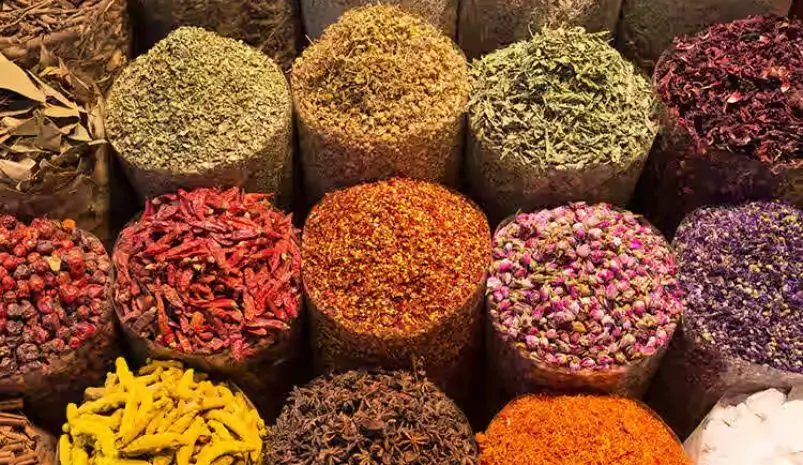
Jaipur offers some of Rajasthan’s most organized and visually stunning traditional markets. The Pink City’s historic bazaars remain filled with spice traders, sweet shops, textile stores, jewelry merchants, and handicraft vendors operating inside centuries-old market lanes.
Johari Bazaar is primarily famous for jewelry and gemstones, but nearby market streets also contain several respected spice shops selling saffron, cardamom, tea blends, and Rajasthan masalas. Tourists exploring Hawa Mahal and City Palace often combine sightseeing with shopping in this area.
Bapu Bazaar attracts travelers searching for textiles, handicrafts, leather items, mojari footwear, and packaged spice products suitable for souvenirs. Several stores here offer neatly packed masala boxes designed specifically for tourists.
Tripolia Bazaar provides a more traditional local shopping atmosphere. Travelers can find spices, brass items, carpets, and household products while observing daily local market activity away from heavily commercial tourist zones.
Kishanpole Bazaar is another excellent area for handcrafted products and traditional Rajasthan shopping. Spice vendors here often sell homemade blends prepared using old family recipes.
Tourists shopping in Jaipur frequently purchase red chili powder, turmeric, garam masala, dry mango powder, tea masalas, and saffron. Decorative spice boxes made from marble or wood also remain highly popular gifts.
Many travelers booking a Jaipur sightseeing taxi request market stops after monument tours because shopping becomes one of the city’s most enjoyable cultural activities during evening hours.
The aroma of freshly ground spices, the colors of traditional bazaars, and the stories behind every ingredient make Rajasthan's markets an experience unlike any other.
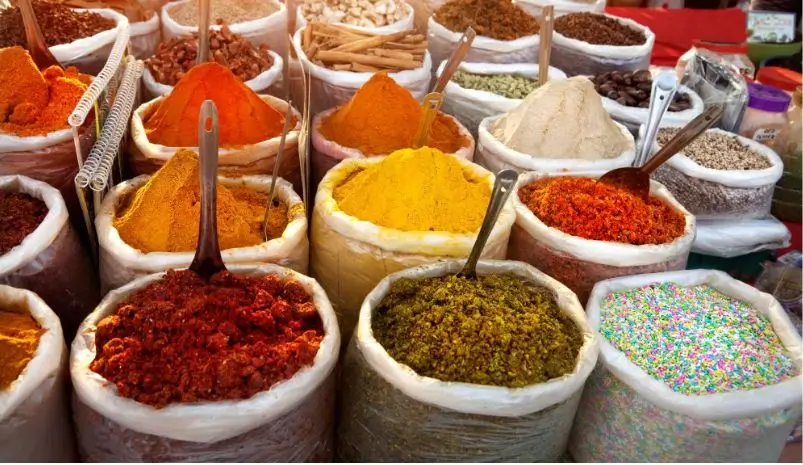
Jodhpur’s markets feel more rustic, energetic, and deeply connected to traditional Marwari culture. The old city bazaars surrounding Clock Tower remain among the best places in Rajasthan for experiencing authentic local shopping atmosphere.
Sardar Market near Clock Tower forms the heart of Jodhpur shopping culture. The market contains spice shops, tea stalls, sweet vendors, handicraft stores, and textile merchants operating within narrow heritage lanes. Travelers often notice strong aromas of red chili, cumin, coriander, and fried snacks filling the air around the market.
Jodhpur is especially famous for Mathania red chili, a premium chili variety widely used in Rajasthan cuisine including Laal Maas. Spice lovers frequently purchase dried chilies and local masala blends from traditional vendors here.
Mochi Bazaar offers leather products, footwear, bags, and handcrafted accessories alongside local spice stalls and snack shops.
Nai Sarak contains sweet shops, namkeen vendors, tea sellers, and traditional grocery stores where travelers can observe everyday shopping culture of local residents.
Several shops in Jodhpur also sell traditional Marwari snacks including bhujia, sev, masala peanuts, and dry sweets packaged for travel purposes.
Unlike modern shopping malls, Jodhpur markets feel intensely alive with sound, bargaining, food stalls, motorcycles, and constant movement. Travelers exploring the city through a private Jodhpur taxi tour often spend several relaxed hours walking through old market lanes after visiting Mehrangarh Fort and nearby monuments.
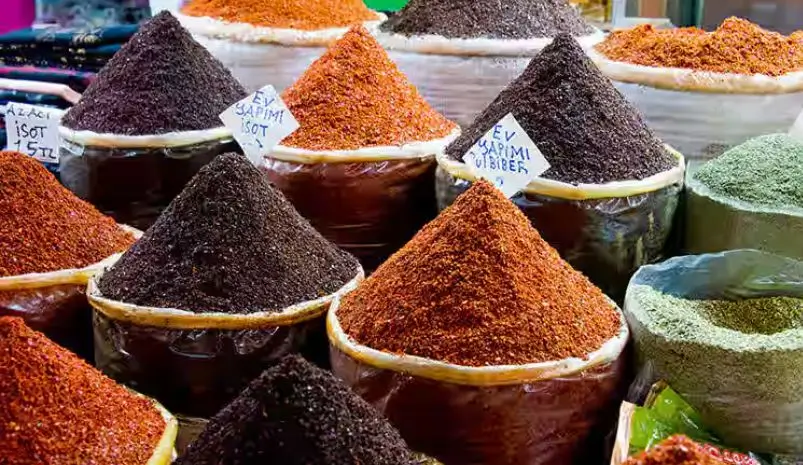
Udaipur offers a softer and more relaxed shopping atmosphere compared to Jaipur and Jodhpur. Markets near Lake Pichola and the old city combine handicrafts, textiles, silver jewelry, paintings, spices, and boutique stores within scenic heritage surroundings.
Hathi Pol Bazaar remains one of the city’s most famous traditional markets. Travelers searching for miniature paintings, handmade crafts, fabrics, and decorative items frequently shop here while also discovering spice stores and tea sellers hidden within nearby lanes.
Bada Bazaar offers a broader mix of local products including spices, jewelry, clothing, souvenirs, and household goods. The market attracts both tourists and local residents because of its central location.
Chetak Circle contains several government-authorized handicraft stores and souvenir shops selling packaged spices, dry fruits, herbal teas, and Rajasthan gift items.
Shilpgram, located slightly outside the city center, provides a more cultural shopping environment focused on rural crafts, traditional arts, handmade textiles, pottery, and folk products. During festivals and fairs, visitors can purchase authentic village-made spices and food items directly from artisans and rural producers.
Travelers in Udaipur often buy herbal tea blends, saffron, rose products, handmade incense, dry fruits, and decorative spice containers as souvenirs.
Tourists using a Udaipur local sightseeing cab frequently combine shopping with visits to City Palace, Jagdish Temple, Lake Pichola boat rides, and nearby cafes because the old city market areas remain highly walkable and visually beautiful.
For centuries, Rajasthan's spice markets have been the heartbeat of local trade and cuisine. Wander through historic bazaars, meet passionate merchants, and take home flavors that have shaped royal kitchens and family recipes alike.
Rajasthan offers several specialty spice products worth purchasing for cooking, gifting, or culinary exploration.
Mathania red chili remains one of the state’s most famous spice products because of its deep color and strong flavor used in traditional Rajasthan dishes.
Turmeric, coriander powder, cumin, fennel, garam masala, and dry mango powder are also widely purchased by travelers wanting authentic Indian cooking ingredients.
Tea masala blends combining cardamom, cinnamon, cloves, black pepper, and herbs remain highly popular souvenirs because they are easy to transport internationally.
Saffron products available in premium stores attract luxury travelers, though buyers should always verify authenticity before purchasing expensive spice items.
Traditional Rajasthan snacks including bhujia, sev, masala peanuts, papad, and packaged sweets also remain popular edible souvenirs.
Decorative spice boxes made from marble, wood, brass, or blue pottery are frequently purchased alongside actual spices because they represent Rajasthan craftsmanship beautifully.
Travelers interested in cooking often ask vendors for preparation tips and recipe suggestions while purchasing spice blends used in Dal Baati Churma, Laal Maas, and Rajasthan curries.
Bargaining remains common in many traditional Rajasthan markets, especially when purchasing handicrafts, textiles, decorative items, or souvenirs from smaller shops. However, fixed-price stores and government-authorized handicraft centers usually maintain transparent pricing systems.
Travelers should compare prices across multiple shops before making expensive purchases such as saffron, gemstones, carpets, or silver jewelry.
Buying spices from busy and established vendors generally ensures fresher quality and better authenticity. Properly packed spices also remain easier to carry during flights and long-distance travel.
Visitors should ideally carry cash for smaller purchases because some traditional vendors may not accept international cards or digital payment systems consistently.
Morning and evening hours remain most comfortable for market exploration because Rajasthan afternoons can become very hot during certain seasons.
Tourists planning extensive shopping often prefer booking a private Rajasthan cab because carrying multiple bags through crowded market streets and public transport can become difficult.
Beyond spices, Rajasthan markets also offer remarkable culinary shopping opportunities including sweets, pickles, dry fruits, herbal products, teas, and local snacks.
Sweet shops in Jaipur, Jodhpur, and Udaipur frequently sell packaged ghewar, mawa kachori, sohan halwa, and dry sweets suitable for travel.
Traditional pickles made using chili, mango, garlic, lemon, and local desert vegetables remain highly popular among food lovers.
Several markets also sell handmade papad varieties, millet products, herbal powders, and organic ingredients used in rural Rajasthan cooking traditions.
Travelers interested in authentic culinary experiences often spend more time inside food markets than regular souvenir shops because the flavors and aromas provide stronger cultural connection to the region.
Our travel Faqs is your ultimate guide to exploring the top destinations in Rajasthan. From insider tips to comprehensive guides, we have everything you need to plan your trip with ease and convenience.
Jaipur, Jodhpur, and Udaipur all offer excellent spice markets with different shopping atmospheres.
Mathania red chili, turmeric, cumin, coriander, saffron, and traditional masala blends are highly popular.
Johari Bazaar, Bapu Bazaar, and Tripolia Bazaar remain among the best shopping areas.
Sardar Market near Clock Tower is one of the city’s most famous spice shopping destinations.
Yes, travelers can buy spices, handicrafts, textiles, jewelry, leather products, and decorative items.
Yes, bargaining is common in traditional bazaars and smaller shops.
Spices, tea blends, pickles, sweets, papad, and namkeen snacks are popular choices.
Most tourist markets remain safe and busy, though travelers should always monitor personal belongings carefully.
Morning and evening hours provide more comfortable weather and active market atmosphere.
Many travelers book a private Rajasthan tour taxi or a local sightseeing cab for convenient transportation between forts, bazaars, shopping streets, and heritage areas.