
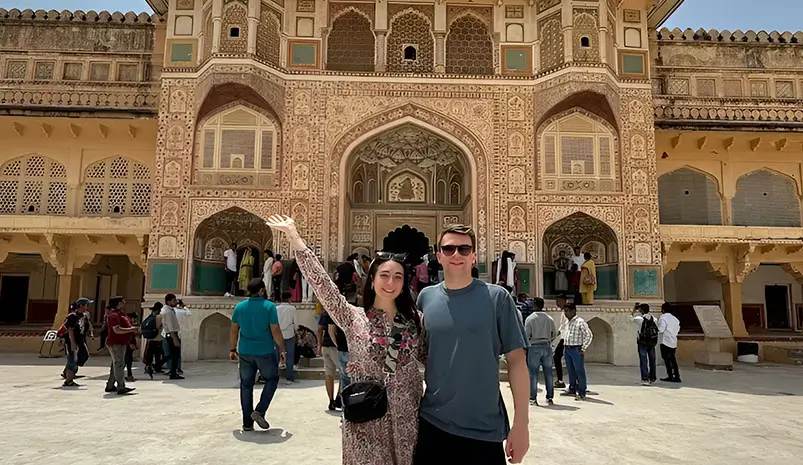
Rajasthan — India’s land of royalty, colors, and timeless charm — is a photographer’s paradise. Every frame here tells a story of grandeur, culture, and contrast. The light, the architecture, the people, and the landscapes come together in a way that makes every shot feel cinematic. Whether you’re a professional photographer or a traveler with an eye for beauty, this region offers endless opportunities to capture India’s essence.
From the glowing sandstone of Jaisalmer to the mirror-like lakes of Udaipur, from the pink hues of Jaipur to the deep blue houses of Jodhpur, every city feels like a live art gallery. Add to that Rajasthan’s deserts, fairs, and faces — and you have an unmatched visual journey.
If you’re planning a Rajasthan photography tour or exploring the state through a private car and driver, here’s a detailed guide to the most breathtaking spots — perfect for portraits, landscapes, and storytelling images.
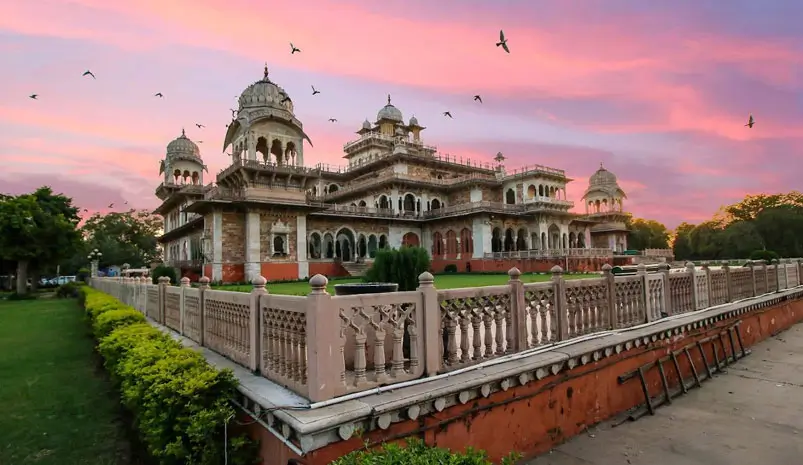
Jaipur’s unique blend of royal architecture and everyday street life offers unlimited creative angles.
The Amber Fort, perched above Maota Lake, looks best in the soft morning light when its honey-colored walls glow warmly. Early hours also mean fewer crowds, allowing clean compositions of courtyards and stairways. The Sheesh Mahal (Hall of Mirrors) inside provides stunning reflective symmetry for interior shots.
The City Palace and Hawa Mahal deliver contrasting moods — one grand and regal, the other delicately detailed. The honeycomb windows of Hawa Mahal capture golden hour perfectly as sunlight filters through the lattice.
Don’t miss Patrika Gate, a photographer’s favorite for its riot of colors and symmetrical arches — ideal for Instagram-worthy compositions. For aerial perspectives, visit Nahargarh Fort during sunset; the panoramic view of the city turning pink and gold is unforgettable.
Street photographers will love Jaipur’s old bazaars near Badi Chaupar and Johari Bazaar, where locals dressed in vibrant turbans and saris bring every frame alive.
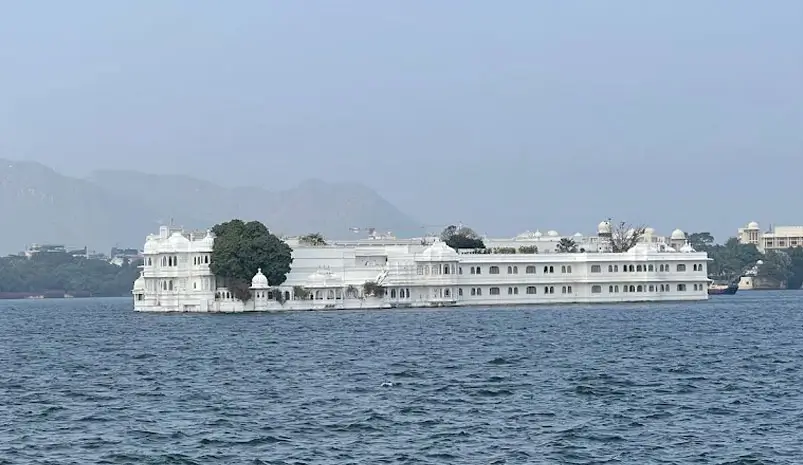
Udaipur feels like a dream for anyone who loves symmetry, water reflections, and regal textures. It’s often called India’s most romantic city — and every image proves why.
The City Palace complex is a masterpiece of light and marble. From its balconies, you can frame Lake Pichola, Jag Mandir, and Taj Lake Palace in one perfect shot. Sunset boat rides on Lake Pichola create postcard-like images, especially when the white palace glows against the orange sky.
Ambrai Ghat, opposite the City Palace, offers some of the best reflection photos at dusk. The lake mirrors the entire palace — a scene that photographers from around the world come to capture.
For intimate travel portraits, stroll through Gangaur Ghat, where locals bathe, wash clothes, and light diyas (lamps) in the evenings. The play of light and movement is mesmerizing.
Evening shots from Karni Mata Temple viewpoint give you a sweeping panorama of the lake, ideal for wide-angle and long-exposure photography. Udaipur is also excellent for night photography — its illuminated palaces and lakeside restaurants sparkle beautifully.
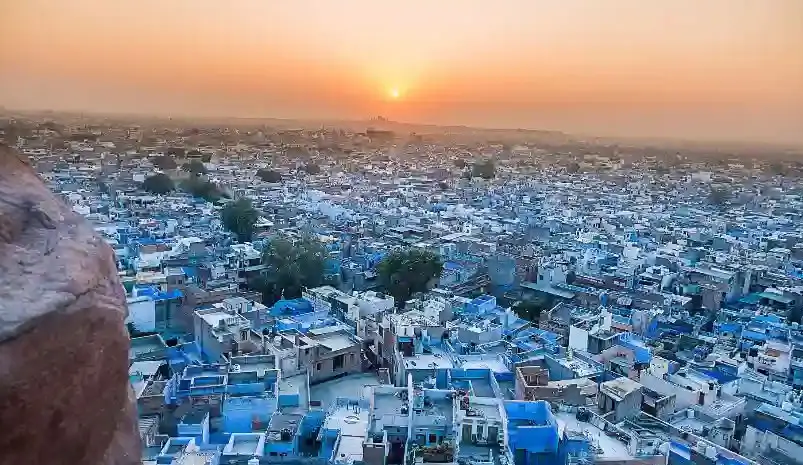
Few places on Earth are as photogenic as Jodhpur. Its iconic blue houses, narrow streets, and towering fort make it a visual treasure.
The Mehrangarh Fort itself is a photographer’s masterpiece — massive, detailed, and perfectly positioned for aerial views. Early morning light softens the fort’s red stone, while evening brings glowing orange tones. From the fort’s walls, the city below spreads like a blue ocean.
To capture that sea of blue houses up close, wander through the Navchokiya and Brahmpuri neighborhoods. Locals often smile for portraits, adding warmth to your street shots.
The Clock Tower Market buzzes with textures — spice piles, textiles, and everyday faces. Night photography here is equally rewarding as the market lights up in amber hues.
Just outside the city, Jaswant Thada, a marble cenotaph surrounded by gardens, offers serene frames of reflection and architecture. The contrast of white marble against blue sky creates timeless compositions.
For an authentic rural backdrop, take your driver on a short detour to Mandore Gardens or a nearby Bishnoi village — perfect for candid portraits of artisans and herders.
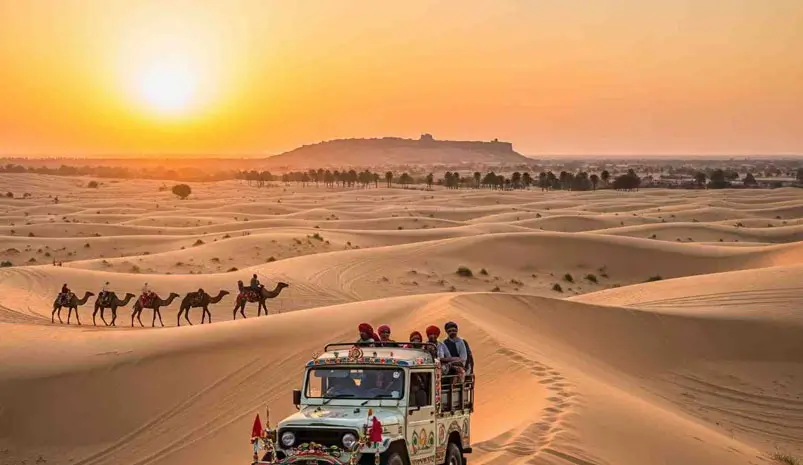
If light had a kingdom, it would be Jaisalmer. The entire city seems sculpted from gold — glowing sandstone walls reflecting desert sunlight from dawn to dusk.
The Jaisalmer Fort, one of the few living forts in the world, offers winding alleys, carved balconies, and panoramic desert views. Its golden tone changes beautifully with the time of day, making sunrise and sunset ideal for photography.
Inside the fort, local life unfolds naturally — children playing, shopkeepers polishing antiques, and women in bright saris walking past age-old walls. Each step feels like walking through history.
The Patwon ki Haveli and Nathmal ki Haveli showcase intricate stone carvings that test the limits of craftsmanship. Their lattice windows and shadow play make perfect detail shots.
The Sam Sand Dunes outside Jaisalmer are pure cinematic magic. Dunes at sunset, camels in silhouette, and the deep orange sky form Rajasthan’s most iconic images. Try capturing footprints in the sand just before dusk or long-exposure shots under starlit skies for ethereal results.
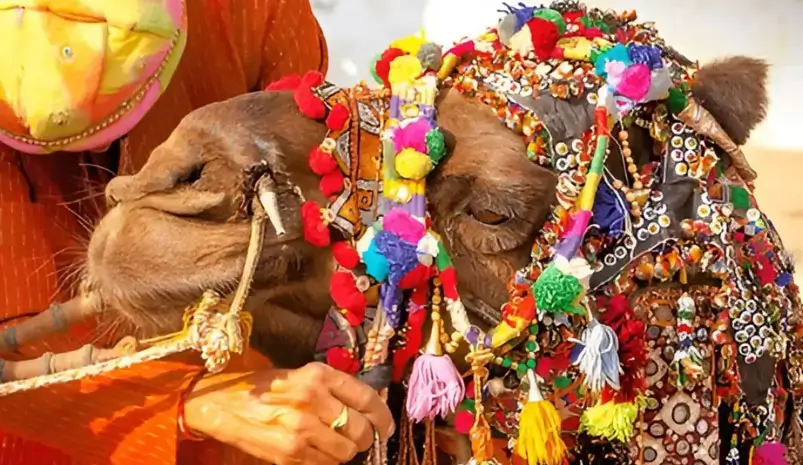
For photographers interested in emotion and atmosphere, Pushkar is a goldmine.
The Pushkar Lake and its 52 ghats create endless storytelling possibilities. Early morning is peaceful, when locals perform rituals and the water reflects temple silhouettes. During the Pushkar Camel Fair, the town explodes with color — camels, costumes, traders, and nomads filling the desert with life.
Portrait photographers will find extraordinary faces here — wrinkled desert traders, young shepherd boys, and decorated camels. The golden light of late afternoon turns the sand and sky into a painter’s palette.
The narrow streets lined with cafes and stalls are great for candid shots of travelers blending with locals. At night, lamps around the ghats offer soft, diffused light for creative compositions.
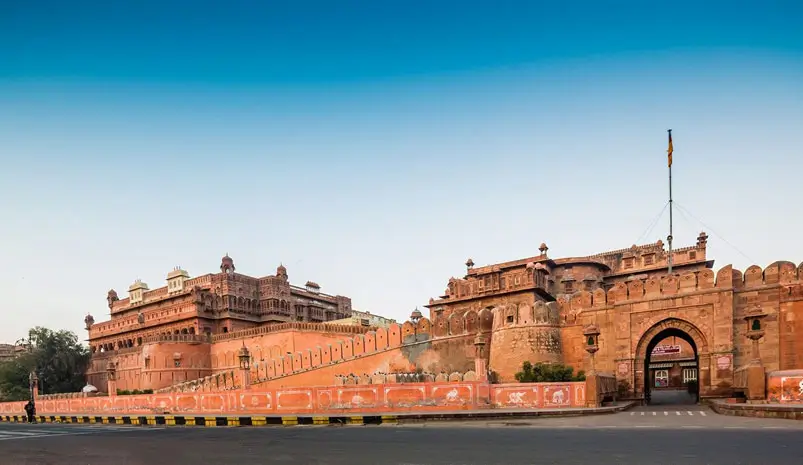
Bikaner, often overlooked by mainstream tourists, rewards photographers who seek authenticity.
The Junagarh Fort offers grand interiors filled with murals, glasswork, and royal furniture — perfect for architectural photography. The light streaming through jharokhas (windows) adds dramatic depth.
The city’s old havelis, particularly in the Rampuria area, are red sandstone masterpieces. Their ornamentation and aged textures are ideal for moody, vintage-style shots.
Nearby, the Karni Mata Temple (Rat Temple) in Deshnok provides one-of-a-kind subjects — a mix of faith and curiosity found nowhere else in the world. With respect and discretion, you can capture intriguing cultural moments here.
For travel documentaries or offbeat projects, Bikaner’s camel farms and rural outskirts deliver unfiltered glimpses of Rajasthan’s desert life.
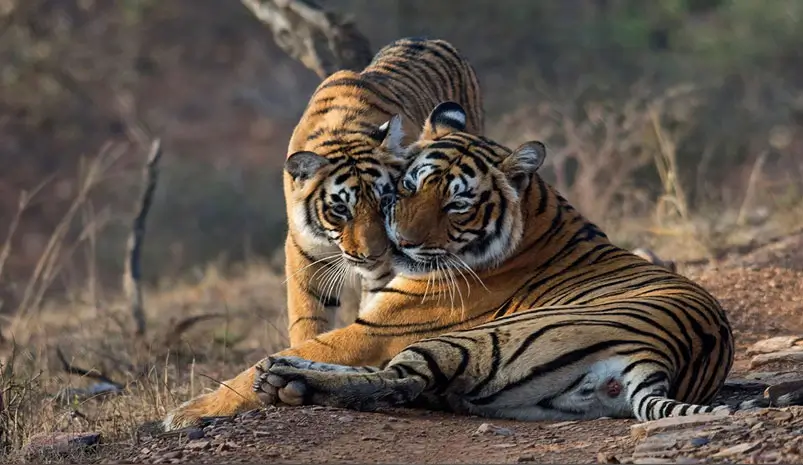
Rajasthan isn’t only about palaces; it’s also a fantastic region for wildlife photography. Ranthambore National Park, once a royal hunting ground, now offers incredible encounters with Bengal tigers, leopards, and exotic birds.
Early morning safaris through misty forests produce dreamlike frames. The ruins of Ranthambore Fort rising above the jungle add drama to every shot.
Apart from tigers, look for deer, langurs, and peacocks — all set against a rich natural palette of greens and golds. Photographers can choose between Jeep or Canter safaris, but private Jeep tours provide better control for composition and timing.
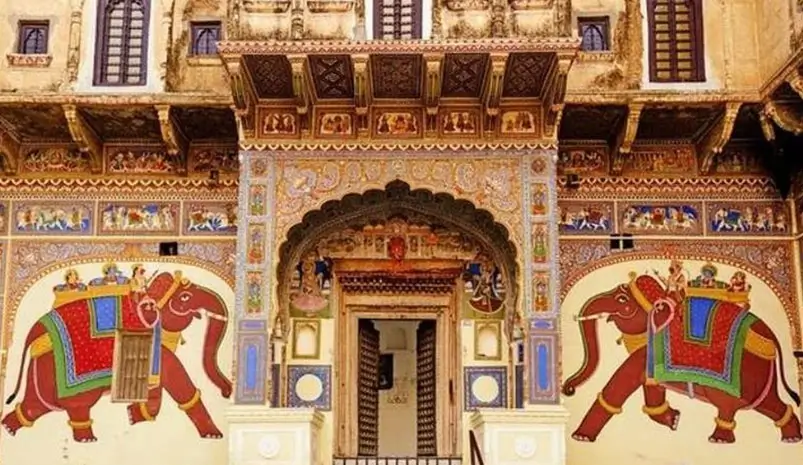
If you love murals, frescoes, and hidden heritage, Mandawa and the Shekhawati region are must-visits.
The towns are filled with centuries-old merchant havelis painted in vibrant blues, reds, and yellows. Their fading art tells tales of trade, mythology, and prosperity — perfect for documentary-style photography.
Many havelis remain inhabited, offering intimate glimpses of family life. Soft morning light enhances the earthy textures of the buildings, while afternoons highlight vivid colors.
Shekhawati’s quiet lanes make shooting effortless, especially for architectural or travel photographers seeking originality away from crowds.
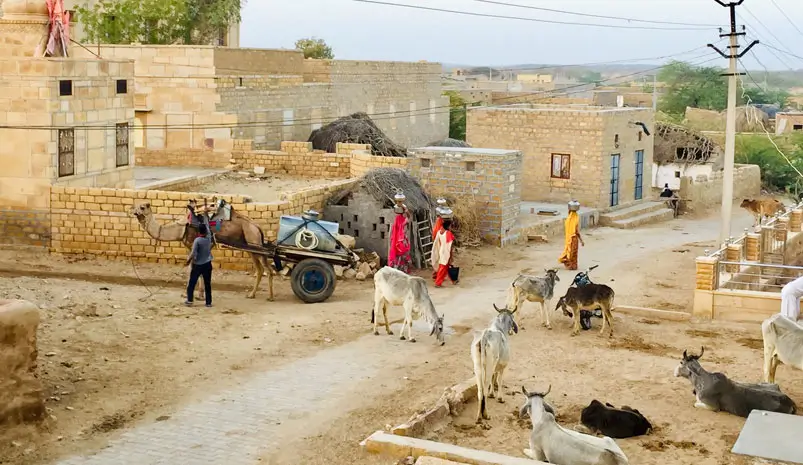
Beyond Rajasthan’s cities lies a world of timeless rural charm. Villages around Osian, Bishnoi, and Khimsar let you capture traditional life untouched by modernity.
Women in mirror-work saris drawing water, children herding goats, and men with colorful turbans form natural, graceful compositions. Every face tells a story of strength and simplicity.
A private driver in Rajasthan helps you reach these remote locations comfortably, stopping whenever inspiration strikes. Always ask permission before taking close-up portraits — a friendly smile and respect go a long way in getting genuine expressions.
Rajasthan’s festivals are a photographer’s fantasy. The Pushkar Camel Fair, Desert Festival in Jaisalmer, and Gangaur Festival in Jaipur explode with costumes, music, and human emotion.
During Holi, the colors themselves become subjects — swirling through air and fabric. Diwali brings lamps, firecrackers, and temple illuminations perfect for night photography.
Festivals reveal Rajasthan’s spirit in motion — dances, rituals, and processions that make you feel the heartbeat of India. With proper planning and a custom car and driver itinerary, you can cover multiple festivals across different cities in one trip.
Few places combine architecture, culture, landscape, and humanity the way Rajasthan does. The light here has a golden tone that flatters every subject — from marble palaces to weathered faces.
Each city has its mood: Jaipur regal, Jodhpur bold, Udaipur poetic, and Jaisalmer mystical. Together they form a visual narrative of India’s grandeur and grace.
Whether you’re capturing portraits in dusty alleys, aerials from fort walls, or reflections on still waters, Rajasthan rewards those who see beyond the obvious. It’s a place where photography isn’t just an art — it’s a feeling.