
Introduction to Ghoomar Dance: A Graceful Symbol of Rajasthan’s Culture
Rajasthan is a land of vibrant traditions, and among its most iconic cultural expressions is the elegant and rhythmic Ghoomar dance Rajasthan. Known for its graceful movements and colourful attire, Ghoomar is more than just a performance; it is a reflection of the region’s heritage, community traditions, and artistic identity. For travellers exploring the state through a car with driver in Rajasthan, witnessing a live Ghoomar performance adds a deeply immersive cultural dimension to the journey.
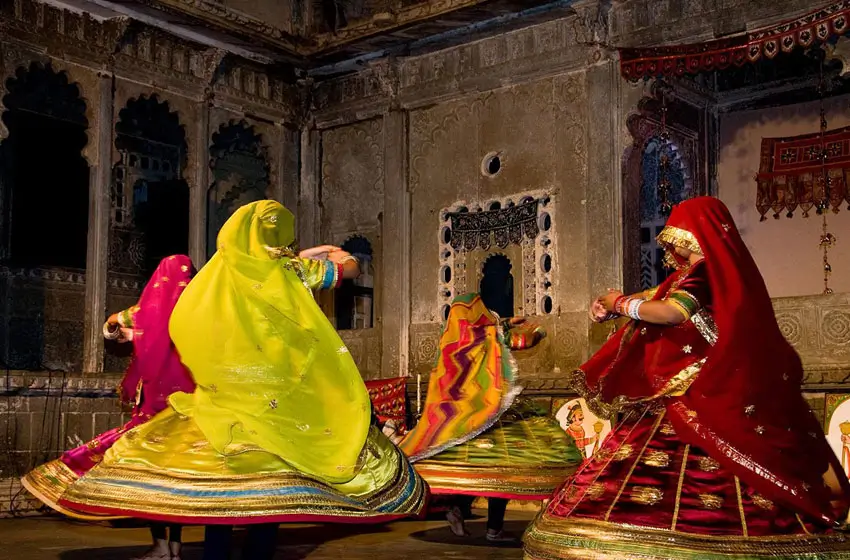
Ghoomar is traditionally performed by women and is characterised by circular movements, flowing skirts, and coordinated steps that create a visually captivating effect. The dancers move in synchronisation, often forming circles and patterns that symbolise unity and celebration. The swirling motion of the traditional attire, combined with rhythmic music, creates a mesmerising experience that captures the attention of audiences from around the world.
For international travellers, the appeal of Rajasthan folk dance Ghoomar lies in its authenticity and emotional expression. Unlike staged performances designed purely for entertainment, traditional Ghoomar reflects real cultural practices, often performed during festivals, weddings, and community gatherings. Including such experiences in a Rajasthan cultural tour with private driver allows travellers to connect with the local culture in a meaningful way.
Another important aspect of Ghoomar is its accessibility. Performances can be found in various settings, from cultural centres and heritage hotels to village celebrations and organised events. This makes it easier for travellers using a private car with driver in Rajasthan to include Ghoomar in their itinerary without significant planning challenges.
The dance is not only visually appealing but also deeply symbolic. Each movement, gesture, and costume element carries cultural meaning, reflecting traditions that have been preserved over generations. Understanding these elements enhances the overall experience and allows travellers to appreciate the dance beyond its surface beauty.
Including Ghoomar in a Rajasthan itinerary transforms the journey into a cultural exploration. It offers a glimpse into the artistic traditions of the region and provides an experience that remains memorable long after the trip is over.
Safe, verified, and fluent English-speaking chauffeurs.
Customize Your Trip Talk to PlannerHistory and Origins of Ghoomar Dance in Rajasthan
The origins of Ghoomar dance Rajasthan are deeply rooted in the history and traditions of the region. It is believed to have been introduced by the Bhil community and later adopted by Rajput royalty, where it became an integral part of courtly celebrations. Over time, Ghoomar evolved into a widely recognised folk dance, performed during significant social and cultural occasions.
Historically, Ghoomar was associated with important life events, particularly weddings. It was performed to welcome brides into their new homes and to celebrate joyful occasions within the community. The dance served as a form of expression, allowing women to come together and participate in shared cultural practices. For travellers on a Rajasthan tour by private driver, understanding this historical context adds depth to the experience of watching a live performance.
The transition of Ghoomar from a community-based dance to a recognised cultural symbol reflects the adaptability of traditional art forms. While it retains its original essence, it has also been adapted for stage performances and cultural showcases, making it accessible to a broader audience. This balance between tradition and modern presentation ensures that Ghoomar remains relevant in contemporary times.
Another important aspect of its history is the role of royal patronage. When Rajput courts adopted the dance, it gained prominence and refinement. The costumes, music, and choreography were enhanced to reflect the grandeur of royal settings. This influence is still visible in modern performances, where the elegance and sophistication of Ghoomar continue to stand out.
For travellers exploring Rajasthan through a car with driver, visiting locations where Ghoomar is performed provides an opportunity to witness this historical legacy in action. Whether in a traditional setting or a curated cultural event, the dance carries elements of its past while engaging modern audiences.
The preservation of Ghoomar over generations highlights the importance of cultural continuity. Despite changes in lifestyle and entertainment preferences, the dance continues to be practised and celebrated, ensuring that it remains a living tradition.
Cultural Significance of Ghoomar Dance
The cultural importance of Ghoomar dance Rajasthan extends far beyond its visual appeal. It represents community bonding, celebration, and the preservation of traditions that define the identity of the region. For travellers on a Rajasthan cultural tour with driver, understanding this significance enhances the overall experience and provides a deeper connection to the local culture.
Ghoomar is often performed during festivals, weddings, and special occasions, making it an integral part of social life. The dance brings people together, creating a sense of unity and shared celebration. The circular movements symbolise continuity and harmony, reflecting values that are central to the community.
The costumes worn during Ghoomar also carry cultural meaning. Traditional attire includes long skirts, veils, and jewellery, all of which contribute to the visual impact of the performance. The colours and designs often reflect regional styles and cultural preferences, adding another layer of significance to the dance.
Music plays a crucial role in Ghoomar, with traditional instruments and songs accompanying the performance. The rhythm guides the movements of the dancers, creating a harmonious blend of sound and motion. For foreign travellers, even without understanding the language, the music and expressions make the experience engaging and accessible.
Another important aspect is the role of women in preserving this tradition. Ghoomar is primarily performed by women, making it a form of cultural expression that highlights their contribution to maintaining heritage. This aspect adds social significance to the dance, making it more than just a performance.
Experiencing Ghoomar during a private car with driver in Rajasthan journey allows travellers to witness these cultural elements firsthand. It transforms the dance into a meaningful experience that reflects the values and traditions of the region.
Where to See Live Ghoomar Performances in Rajasthan
For travellers interested in experiencing Ghoomar dance Rajasthan, knowing where to find authentic performances is essential. Rajasthan offers a variety of venues where Ghoomar can be enjoyed, ranging from traditional settings to organised cultural events. Travelling with a car with driver in Rajasthan makes it easier to access these locations and include them in an itinerary.
Jaipur is one of the most popular cities for cultural performances, including Ghoomar. Many heritage hotels and cultural centres host evening programmes that feature traditional dance and music. These performances are often designed for visitors, providing a convenient way to experience Ghoomar in a comfortable setting.
Udaipur offers a more scenic backdrop for cultural performances, with venues located near lakes and historic sites. Watching Ghoomar in such settings enhances the visual experience and creates a memorable atmosphere. Travellers on a Rajasthan tour by private driver often include these performances as part of their evening plans.
Jodhpur and desert regions also provide opportunities to see Ghoomar as part of cultural programmes. Desert camps often include traditional dance performances, allowing visitors to experience Ghoomar alongside other folk arts. These settings provide a more immersive experience, combining music, dance, and local cuisine.
In addition to organised performances, Ghoomar can also be seen during festivals and community celebrations. These occasions offer a more authentic and spontaneous experience, although they may require timing and local knowledge to access.
Choosing the right venue depends on the traveller’s preferences. Organised shows offer convenience and structure, while community events provide authenticity and cultural depth. Both options contribute to a well-rounded experience of Rajasthan’s traditions.
Safe, verified, and fluent English-speaking chauffeurs.
Customize Your Trip Talk to PlannerHow Travellers Can Experience Ghoomar Beyond Watching
While watching a Ghoomar dance Rajasthan performance is captivating, travellers can enhance their experience by engaging more actively with the tradition. For those on a private car with driver in Rajasthan, there are several ways to go beyond passive observation and create a more meaningful connection with the art form.
One option is participating in cultural workshops where basic dance steps are taught. These sessions provide insight into the movements and coordination required, allowing travellers to appreciate the skill involved. Even a short session can make the experience more interactive and enjoyable.
Interacting with performers is another way to deepen the experience. Many artists are open to sharing information about the dance, its history, and their personal experiences. These conversations often provide valuable insights that enhance understanding.
Photography and videography can also be part of the experience, capturing the vibrant colours and dynamic movements of the dance. However, it is important to respect cultural norms and seek permission when necessary.
Including Ghoomar in a broader cultural itinerary that includes music, crafts, and local cuisine creates a comprehensive experience. This approach allows travellers to see how different elements of Rajasthan’s culture are interconnected.
Ultimately, engaging with Ghoomar in multiple ways transforms it from a simple performance into a memorable cultural experience that reflects the essence of Rajasthan.