
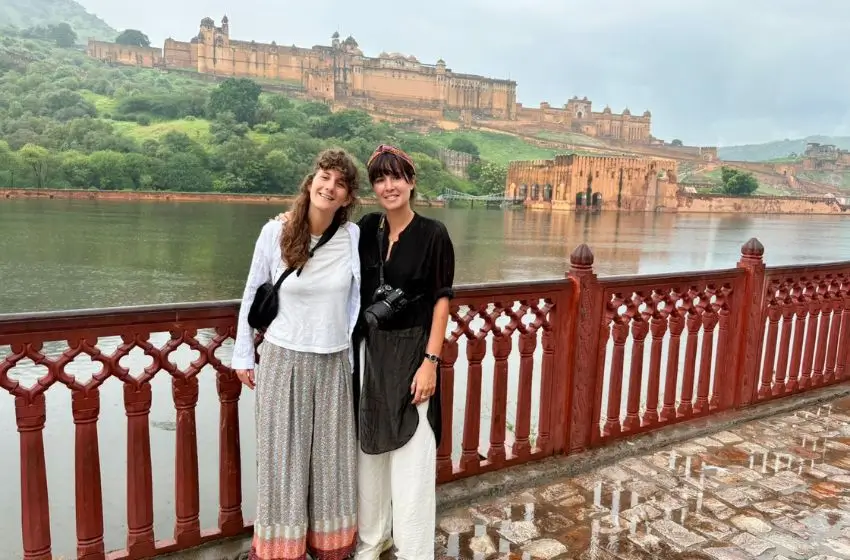
Rajasthan is widely known for its desert landscapes, dry climate, and golden tones. However, during the monsoon months from July to September, the state undergoes a transformation that many travellers do not expect. The arrival of rain changes not just the scenery but also the entire travel experience.
Imagine reaching Rajasthan in July. Instead of dry air and dusty roads, you notice clouds, occasional rainfall, and a surprising amount of greenery. This shift is what defines Rajasthan monsoon travel experience for tourists.
The rain is not constant like in coastal regions. Instead, it comes in intervals, creating a balance between wet and dry conditions. This means that travel remains possible, and in many cases, more comfortable than peak summer months.
The biggest visual change is in the landscape. Hills around Udaipur and Mount Abu turn green, lakes begin to fill, and the overall environment feels fresher. This is a rare sight in Rajasthan, making monsoon travel unique.
Another important factor is the atmosphere. The state becomes quieter, with fewer tourists compared to winter months. This creates a more relaxed and peaceful travel environment.
For travellers who want to see a different side of Rajasthan, this season offers something special. A Rajasthan rainy season travel guide often highlights this transformation as one of the most underrated experiences.
However, understanding how weather affects travel is important before planning your trip.
Monsoon weather in Rajasthan is different from other parts of India. It is not characterised by continuous heavy rainfall but rather by occasional showers and cloudy skies.
Temperatures during this period usually range between 25°C to 35°C. This is significantly lower than peak summer temperatures, making the climate more comfortable.
Rainfall varies across regions. Udaipur and southern Rajasthan receive more rain, while desert areas like Jaisalmer and Bikaner experience lighter showers.
This creates a mixed environment where some areas feel lush and green, while others retain their desert character.
The biggest advantage of Rajasthan monsoon weather conditions is the reduction in heat. The air feels cooler, and outdoor activities become more manageable compared to summer.
However, travellers should be prepared for occasional disruptions. Short periods of rain can affect sightseeing schedules, especially if you are planning outdoor activities.
Humidity levels may increase slightly, but they remain lower compared to coastal regions.
From a practical perspective, carrying light rain gear and planning flexible itineraries helps manage these conditions effectively.
Understanding these patterns allows travellers to adapt and enjoy the monsoon experience without inconvenience.
Monsoon is not equally suitable for all destinations in Rajasthan. Some places benefit significantly from the rain, while others may not offer the same experience.
Udaipur is often considered the best destination during this season. The lakes are fuller, the hills are greener, and the overall environment becomes more scenic. A Udaipur monsoon travel experience Rajasthan is one of the highlights of this season.
Mount Abu also becomes more attractive, with cooler temperatures and lush surroundings. It provides a refreshing contrast to the typical desert environment.
Jaipur can be visited comfortably during monsoon, especially for indoor attractions like palaces and museums. The city’s architecture looks more vibrant under cloudy skies.
Jodhpur offers a mix of experiences. While it does not receive heavy rainfall, the slight weather change makes exploration easier.
Desert regions like Jaisalmer are less affected by monsoon and can still be included in your itinerary, although the experience remains similar to other months.
A Rajasthan monsoon itinerary best places guide focuses on combining scenic locations with practical travel planning.
Choosing the right destinations ensures that you make the most of the monsoon season.
One of the biggest advantages of visiting Rajasthan during monsoon is the cost. This is considered the off-season, which means prices drop significantly across all travel services.
A Rajasthan trip cost in monsoon season is much lower compared to winter months. Mid-range hotels that cost ₹5000 to ₹10,000 during peak season may drop to ₹2000 to ₹5000.
Luxury hotels also offer attractive discounts, making premium stays more accessible.
Transport costs remain stable, with private car rates around ₹10 to ₹12 per km for sedans and ₹14 to ₹18 per km for SUVs. However, availability is higher, and booking becomes easier.
Flight prices may also be lower due to reduced demand.
Food costs remain consistent, with meals ranging between ₹300 to ₹1000 per person.
A budget Rajasthan monsoon travel guide shows that travellers can save a significant amount compared to peak season.
This cost advantage makes monsoon an attractive option for budget travellers and long-duration trips.
While monsoon offers several advantages, it also comes with certain challenges that need to be managed carefully.
The most common issue is unpredictable rain. While it does not rain continuously, sudden showers can disrupt outdoor plans. This is why flexibility is important.
Road conditions may also vary in some areas, especially in rural regions. However, major highways and tourist routes remain accessible.
A Rajasthan monsoon travel planning strategy includes keeping buffer time in your itinerary and avoiding tight schedules.
Another important factor is choosing the right accommodation. Hotels with good facilities and central locations help manage weather-related disruptions.
Using private transport is highly recommended. A private car with driver Rajasthan monsoon travel ensures that you can move comfortably even during rain.
Packing essentials such as raincoats, waterproof bags, and proper footwear also helps.
By planning ahead, these challenges can be managed effectively, allowing you to enjoy the benefits of monsoon travel.
The answer to this question depends on what you are looking for in your travel experience.
If your priority is perfect weather and guaranteed outdoor activities, winter months may be a better choice. However, if you are open to a different experience, monsoon offers unique advantages.
A Rajasthan monsoon travel pros and cons guide shows that while weather can be unpredictable, the benefits include lower costs, fewer crowds, and a greener landscape.
For photographers and travellers who enjoy quiet environments, this season provides excellent opportunities.
The key is to approach the trip with flexibility and realistic expectations.
For many travellers, monsoon becomes one of the most memorable times to visit Rajasthan because it offers a completely different perspective.