
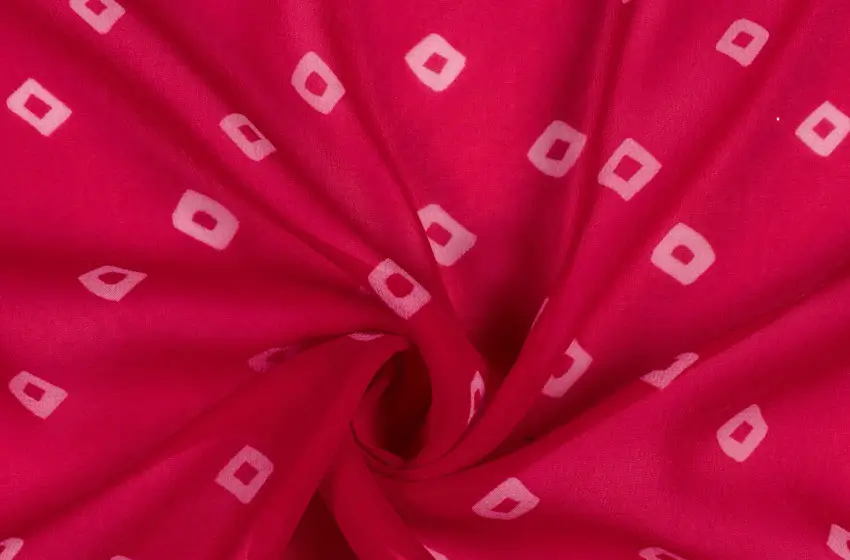
Introduction to Bandhani Fabric in Rajasthan: A Colourful Textile Tradition
Rajasthan is globally admired for its vibrant culture, and one of the most visually striking expressions of this heritage is Bandhani fabric Rajasthan. Known for its intricate tie and dye patterns, Bandhani represents a centuries-old textile tradition that continues to thrive across the state. For travellers exploring the region through a car with driver in Rajasthan, discovering Bandhani fabric offers a unique opportunity to engage with local craftsmanship and take home something deeply connected to the culture.
Bandhani, also referred to as tie and dye, is created through a meticulous process where small portions of fabric are tightly tied using thread before being dyed. These tied sections resist the dye, resulting in distinctive patterns once the threads are removed. The beauty of Bandhani tie and dye Rajasthan lies in its precision and variation, as each piece is handcrafted and carries slight differences that make it unique.
The colours used in Bandhani are bold and expressive, often featuring combinations of red, yellow, blue, and green. These colours are not chosen randomly but have cultural significance, often associated with festivals, celebrations, and traditional attire. For foreign travellers, the appeal of Bandhani lies in its authenticity and the story behind each fabric piece, making it more than just a textile purchase.
When travelling on a Rajasthan tour by private car with driver, Bandhani shopping becomes an experience rather than a task. Visiting local markets, artisan workshops, and textile hubs allows travellers to see how fabrics are made and understand the effort involved. This deeper connection enhances the value of the purchase and creates a memorable cultural interaction.
Another important aspect of Bandhani is its versatility. The fabric is used to create a wide range of items, including sarees, scarves, turbans, and dress materials. This makes it suitable for both traditional and modern uses, appealing to a wide range of travellers. Understanding how to choose the right piece is essential, as the market includes both authentic handcrafted fabrics and machine-made imitations.
Including Bandhani in a Rajasthan itinerary adds a vibrant and colourful dimension to the journey. It allows travellers to experience the region’s textile heritage in a meaningful way while also supporting local artisans who continue to preserve this traditional craft.
Safe, verified, and fluent English-speaking chauffeurs.
Customize Your Trip Talk to PlannerThe Traditional Process of Bandhani Tie and Dye
The creation of Bandhani fabric Rajasthan is a highly skilled and time-intensive process that reflects generations of craftsmanship. Understanding this process helps travellers appreciate the effort behind each piece and make informed decisions when purchasing textiles during a Rajasthan cultural tour with driver.
The process begins with selecting the base fabric, which is usually cotton, silk, or a blend of both. The fabric is first washed and prepared to ensure that it absorbs dye evenly. Skilled artisans then mark patterns on the fabric, which serve as a guide for the tying process. These patterns can range from simple dots to complex designs that require precise placement.
The tying stage is the most critical part of the process. Artisans use their fingers and nails to pinch small portions of fabric and tie them tightly with thread. Each knot represents a point that will resist dye, creating the characteristic dotted patterns associated with Bandhani tie and dye Rajasthan. The number of knots can vary significantly, with some high-quality pieces containing thousands of tiny ties.
Once the fabric is tied, it is dipped into dye baths. Traditional methods often involve natural dyes, although modern practices may include synthetic colours for consistency. The fabric may go through multiple dyeing stages to achieve layered colours and complex patterns. After dyeing, the fabric is dried before the threads are carefully removed to reveal the final design.
For travellers visiting workshops during a private car with driver in Rajasthan journey, watching this process in person is a fascinating experience. It provides insight into the level of precision and patience required to create each piece. Observing artisans at work also highlights the human element behind the craft, making it more meaningful than simply buying finished products.
Another important aspect is the variation in patterns. Traditional designs often carry symbolic meanings, with certain patterns associated with specific occasions or communities. Understanding these details adds cultural depth to the experience and helps travellers choose pieces that resonate with them.
The Bandhani process also reflects sustainability, as it relies heavily on manual techniques and minimal machinery. This makes it an environmentally friendly craft compared to mass-produced textiles. For modern travellers who value responsible tourism, this aspect adds to the appeal of authentic Bandhani Rajasthan products.
Best Places to Shop Bandhani Fabric in Rajasthan
Shopping for Bandhani fabric Rajasthan can be an exciting part of any trip, but knowing where to go is essential to ensure authenticity and quality. Rajasthan offers several key locations where travellers can find genuine Bandhani products, ranging from bustling markets to specialised textile hubs. For those travelling with a car with driver in Rajasthan, exploring multiple locations becomes easy and convenient.
Jaipur is one of the most popular destinations for Bandhani shopping. The city’s markets offer a wide variety of fabrics, from affordable pieces to high-end handcrafted items. Travellers can explore different areas to compare styles, colours, and prices, ensuring they find the best options. Jaipur also has several textile stores that specialise in traditional crafts, making it easier to identify authentic products.
Jodhpur is another important centre for Bandhani, known for its bold colours and distinctive patterns. The markets here often feature fabrics that reflect the region’s desert culture, with vibrant hues that stand out. Visiting Jodhpur as part of a Rajasthan tour by private driver allows travellers to experience a different style of Bandhani compared to Jaipur.
Udaipur offers a more curated shopping experience, with boutiques and stores that focus on quality and design. While prices may be slightly higher, the emphasis on craftsmanship and authenticity makes it worthwhile. Travellers who prefer a more relaxed shopping environment often find Udaipur appealing.
In addition to these cities, smaller towns and craft villages also produce Bandhani fabrics. These locations often provide the most authentic experience, as travellers can interact directly with artisans and see the production process. Visiting such places during a private car with driver Rajasthan tour ensures access to genuine products and supports local communities.
When shopping, it is important to take time and explore different options. Comparing fabrics, checking quality, and understanding pricing helps ensure a satisfying purchase. Travellers should also be cautious of extremely low prices, which may indicate machine-made or lower-quality items.
How to Identify Authentic Bandhani Fabric Before Buying
Identifying genuine Bandhani fabric Rajasthan is essential for travellers who want to ensure they are purchasing authentic handcrafted textiles. The market includes a mix of handmade and machine-made products, making it important to know what to look for during a Rajasthan shopping experience with driver.
One of the key indicators of authenticity is the presence of tiny, uneven dots created by the tying process. In genuine Bandhani, these dots are slightly irregular, reflecting the manual technique used by artisans. Machine-made fabrics, on the other hand, tend to have perfectly uniform patterns that lack this natural variation.
The reverse side of the fabric can also provide clues. Authentic Bandhani often shows the marks of tying on the back, while printed imitations usually appear flat and uniform. Examining both sides of the fabric helps in making an informed decision.
Another important factor is the feel of the fabric. Handmade Bandhani typically uses natural materials such as cotton or silk, which have a distinct texture. Synthetic fabrics may feel different and may not carry the same level of quality or comfort.
Colour quality is also significant. Authentic Bandhani tie and dye Rajasthan fabrics often use rich, vibrant colours that do not easily fade. Rubbing a small area with a damp cloth can help test the colour stability, although this should be done carefully and with permission from the seller.
Price can also be an indicator. Extremely low prices often suggest machine-made products, while genuine handcrafted pieces are priced according to the effort involved. Understanding this helps travellers avoid unrealistic expectations and make better purchasing decisions.
For those travelling with a private driver in Rajasthan, seeking recommendations from trusted sources can also be helpful. Drivers often have local knowledge and can guide travellers to reliable shops and artisans.
Safe, verified, and fluent English-speaking chauffeurs.
Customize Your Trip Talk to PlannerPrice Guide for Bandhani Fabric in Rajasthan
Understanding the pricing of Bandhani fabric Rajasthan helps travellers make informed purchases and avoid overpaying. Prices can vary widely depending on factors such as fabric type, complexity of design, and level of craftsmanship.
Simple cotton Bandhani items are generally more affordable and are popular among travellers looking for souvenirs. Mid-range products, including scarves and dress materials, offer a balance between quality and price. High-end items, such as silk sarees with intricate patterns, can be significantly more expensive due to the time and skill required to create them.
The number of ties and the complexity of the design play a major role in determining price. Fabrics with more detailed patterns require more effort and are therefore priced higher. Understanding this helps travellers appreciate the value of handcrafted pieces.
Location also affects pricing. Markets in tourist-heavy areas may have higher prices, while purchasing directly from artisans or smaller shops can offer better value. Travelling with a car with driver in Rajasthan allows for flexibility in exploring different options and comparing prices.
Bargaining is common in many markets, but it should be done respectfully. Recognising the effort involved in creating Bandhani helps maintain a fair approach while negotiating.