
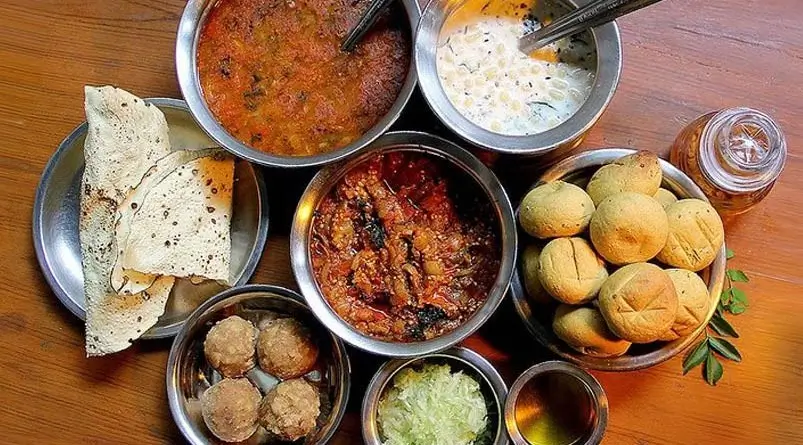
Rajasthan is widely known for its magnificent forts, desert landscapes and royal palaces, but one of the most fascinating aspects of the region is its distinctive cuisine. Food in Rajasthan reflects centuries of history, desert survival, royal influence and local traditions. Travelers who want to experience the culture of Rajasthan more deeply often look beyond restaurants and choose to participate in traditional Rajasthani cooking classes.
A cooking class allows visitors to understand not only how dishes are prepared but also why certain ingredients and techniques developed in this desert region. Rajasthan’s food culture evolved in response to climate conditions, trade routes and royal kitchens. Many recipes were designed to last for long periods in hot desert climates, while others were created for lavish royal feasts.
Participating in a Rajasthani cooking experience gives travelers a hands-on opportunity to prepare dishes themselves under the guidance of local chefs or home cooks. These sessions usually take place in heritage homes, boutique hotels or rural villages where traditional cooking methods are still practiced.
For many visitors, learning how to prepare authentic dishes such as dal baati churma, gatte ki sabzi and ker sangri becomes one of the most memorable cultural activities during their trip.
Food is one of the most direct ways to connect with local culture. While eating at restaurants provides a taste of regional cuisine, cooking classes allow travelers to participate actively in the preparation process.
During Rajasthan cooking classes, visitors learn how traditional spices are used, how ingredients are combined and how cooking techniques developed in response to the desert climate. Many recipes rely on preserved ingredients, dried vegetables and rich spices that allow food to remain flavorful even without refrigeration.
Travelers also gain insight into the cultural meaning behind certain dishes. Some foods are associated with festivals, weddings or religious celebrations. Others were historically prepared for warriors and travelers crossing the desert.
Cooking classes therefore offer a cultural experience that combines culinary skills with storytelling and history.
One of the most interesting aspects of Rajasthani cooking is the use of ingredients adapted to desert conditions. Unlike regions with abundant fresh vegetables, Rajasthan’s cuisine evolved to rely on ingredients that could survive extreme heat and limited water availability.
Dried vegetables such as ker and sangri are commonly used in traditional recipes. These desert plants are rehydrated and cooked with spices to create flavorful dishes that are unique to Rajasthan.
Spices play a major role in enhancing flavor. Turmeric, cumin, coriander, red chili and asafoetida create bold combinations that define many classic recipes.
Ghee, a form of clarified butter, is also widely used in traditional cooking because it provides rich flavor and long shelf life.
During authentic Rajasthani cooking workshops, participants learn how these ingredients are balanced to create dishes that are both flavorful and nourishing.
Turn your journey into a hands-on cultural experience by mastering authentic Rajasthani cuisine. Book a local cooking session and take home flavors that will last a lifetime..
Chat On WhatsApp Contact UsCooking classes in Rajasthan typically focus on several iconic regional dishes that represent the state’s culinary identity.
One of the most famous dishes is dal baati churma, a combination of baked wheat dumplings served with lentils and sweet crushed wheat dessert. This dish has historical roots in desert travel because the baked dumplings could be stored for long periods.
Another popular recipe is gatte ki sabzi, a curry made from gram flour dumplings cooked in yogurt-based gravy. This dish demonstrates how Rajasthani cuisine creatively uses pantry staples when fresh vegetables are scarce.
Ker sangri, a traditional desert vegetable dish, introduces travelers to the unique ingredients found in Rajasthan’s arid landscape.
Participants often also learn how to prepare Rajasthani flatbreads, chutneys and sweet desserts such as malpua or ghewar.
Through these lessons travelers gain a practical understanding of the techniques used in traditional Rajasthan food preparation.
Some of the most authentic cooking experiences occur in private homes where local families share their culinary traditions with travelers. These sessions provide a personal environment where guests can observe everyday cooking practices.
Participants often begin by visiting local markets with their hosts to select fresh ingredients. This introduces visitors to spices, vegetables and grains commonly used in Rajasthani kitchens.
Back at the home, travelers assist in preparing ingredients, grinding spices and cooking dishes using traditional utensils. Conversations during the session often include stories about family traditions, festivals and regional food customs.
For many visitors, cooking with a local family becomes one of the most meaningful cultural experiences in Rajasthan because it allows direct interaction with residents.
Jaipur offers several opportunities for travelers interested in learning Rajasthani cuisine. Many boutique hotels and heritage homes organize cooking workshops where guests can prepare traditional dishes under the guidance of experienced chefs.
These sessions often begin with an introduction to spices and cooking techniques before participants move to hands-on preparation.
Because Jaipur attracts travelers from around the world, many classes are designed specifically for international visitors who want to recreate Rajasthani recipes at home.
Participants learn how to balance spices, knead dough for breads and prepare authentic gravies that define Jaipur culinary traditions.
Beyond the major cities, rural villages provide some of the most authentic cooking experiences available in Rajasthan. Village cooking sessions often take place in traditional homes where meals are prepared over clay stoves using firewood.
These settings allow travelers to see how food is prepared in everyday rural life. Cooking methods may include grinding spices by hand, baking breads in clay ovens and preparing dishes in large iron pots.
Village cooking classes often include simple but delicious meals that reflect the agricultural traditions of the region.
Participating in rural Rajasthan cooking experiences provides visitors with a deeper appreciation of how food connects communities and traditions.
Go beyond tasting and learn the secrets behind Rajasthan’s iconic dishes. Join a traditional cooking class and immerse yourself in recipes, techniques, and stories passed down through generations.
Chat On WhatsApp Contact UsRajasthani cuisine is closely tied to the region’s history. Many dishes developed during periods when Rajput warriors traveled long distances across desert terrain. Foods had to remain edible for extended periods and provide enough energy for difficult journeys.
Other recipes evolved in royal kitchens where chefs created elaborate meals for kings and noble families. These royal dishes often included rich gravies, aromatic spices and luxurious ingredients.
Understanding these historical influences adds depth to cooking classes because travelers learn how each dish reflects the lifestyle and environment of Rajasthan.
Through these stories participants gain insight into the cultural identity expressed through traditional Rajasthan cuisine.
Travelers who participate in cooking classes often discover that the experience changes how they understand a destination. Instead of simply observing culture from the outside, they actively engage with local traditions.
Cooking together creates a shared environment where conversation flows naturally and cultural exchange occurs easily.
Participants leave with practical skills that allow them to recreate dishes at home, bringing a piece of Rajasthan’s culture with them.
These experiences also support local communities by providing income to families and small businesses that preserve culinary traditions.
For visitors seeking meaningful travel activities, Rajasthan culinary tours and cooking classes offer an unforgettable connection to the region.
Food has always been a reflection of Rajasthan’s resilience, creativity and cultural diversity. From desert survival dishes to royal banquet recipes, the region’s cuisine tells the story of its people and history.
Learning to cook these dishes allows travelers to experience Rajasthan in a deeply personal way. The aromas of spices, the warmth of traditional kitchens and the hospitality of local hosts create memories that last long after the journey ends.
For travelers who wish to explore Rajasthan beyond sightseeing, cooking classes provide an authentic cultural experience that combines learning, tradition and hospitality.
Travelers exploring culinary experiences across Rajasthan can easily reach villages, markets and heritage homes through comfortable transportation services.
Rajasthan Tour Taxi provides private car and driver services for travelers exploring cultural experiences, heritage cities and authentic food traditions across Rajasthan.
Mr. Shakeer
+91-9314165249
raj.tours.jp@gmail.com