
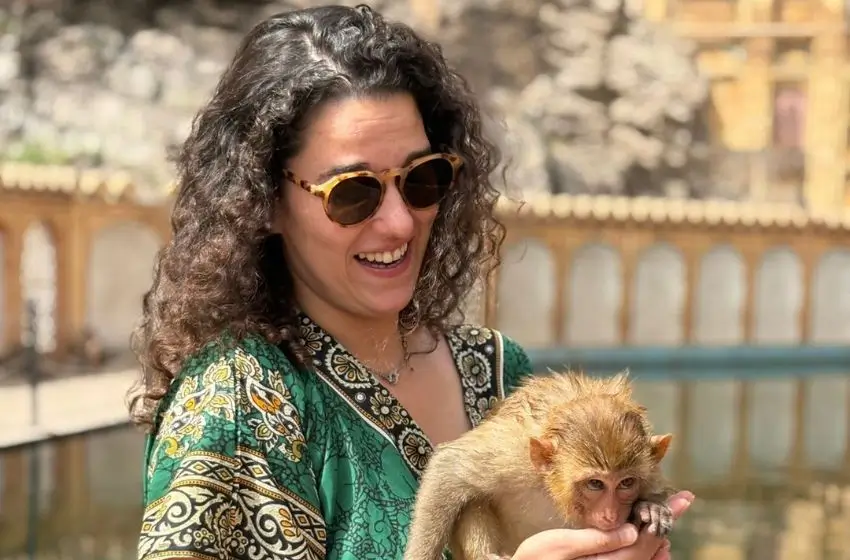
Before deciding what to pack, it is important to understand the climate, as it directly impacts your what to wear in Rajasthan decisions. Rajasthan experiences extreme weather conditions, with very hot summers, pleasant winters, and mild monsoon periods. This variation means that clothing choices should be planned carefully based on the time of travel.
During summer, temperatures can rise above 40°C, especially in desert regions like Jaisalmer and Jodhpur. Lightweight, breathable clothing becomes essential to stay comfortable. In contrast, winter mornings and evenings can be quite cold, particularly in cities like Jaipur and Udaipur, where temperatures can drop significantly.
The desert climate also means strong sunlight during the day and cooler temperatures at night. This makes layering an important strategy when planning outfits. Travellers often underestimate how quickly temperatures can change, especially in open areas.
Another factor to consider is cultural sensitivity. Rajasthan is a traditional region, and dressing modestly is appreciated, especially when visiting temples, rural areas, and local markets. This applies to both men and women and helps ensure a comfortable and respectful travel experience.
For travellers exploring with a private car with driver in Rajasthan, carrying extra clothing options becomes easier, allowing flexibility throughout the day. Understanding these climate conditions helps travellers pack smart and avoid discomfort during their journey.
For female travellers, choosing the right clothing in Rajasthan is about balancing comfort, practicality, and cultural awareness. The key is to wear outfits that are breathable, modest, and suitable for the weather.
Loose-fitting clothes such as cotton tops, long skirts, maxi dresses, and lightweight trousers are ideal. These not only help in dealing with the heat but also provide coverage, which is appreciated in traditional settings. Covering shoulders and knees is generally recommended, especially in religious places.
A scarf or shawl is one of the most useful items to carry. It can be used to protect against the sun, cover the head in temples, or add an extra layer during cooler evenings. This simple accessory makes a significant difference in comfort and convenience.
Footwear should be practical. Comfortable walking shoes or sandals are essential, as many attractions involve walking on uneven surfaces. Avoid heavy or tight footwear, especially during summer.
For desert areas, sunglasses and a hat are important to protect against strong sunlight. Sunscreen is also essential due to prolonged exposure.
For evening outings or dining in upscale places, slightly dressier outfits can be worn, but comfort should still be prioritised. Rajasthan offers a mix of traditional and modern environments, so having versatile clothing options is beneficial.
Overall, the focus should be on lightweight, breathable, and modest clothing that allows freedom of movement and comfort throughout the day.
For male travellers, the approach to Rajasthan clothing guide is straightforward but still requires attention to weather and comfort. The focus should be on light fabrics, practical outfits, and appropriate coverage.
Cotton shirts, t-shirts, and lightweight trousers are ideal for daytime travel. Loose-fitting clothing helps in managing heat and ensures comfort during long sightseeing hours. Shorts can be worn in urban areas, but trousers are more suitable for cultural sites and traditional settings.
Full-sleeve shirts are often recommended, not only for cultural reasons but also for sun protection. They help reduce direct exposure and keep the body cooler in high temperatures.
Footwear should be comfortable and suitable for walking. Sneakers or breathable shoes work well for most situations, while sandals can be used for casual outings.
For winter travel, light jackets or sweaters are necessary, especially during early mornings and evenings. Layering is the best approach, as temperatures can vary throughout the day.
Accessories such as sunglasses, hats, and sunscreen are equally important for men, particularly in desert regions where sunlight is intense.
For those travelling on a car with driver Rajasthan tour, carrying extra clothing in the vehicle allows for easy adjustments based on weather changes.
Understanding seasonal variations is essential when planning what to wear in Rajasthan for tourists. Each season requires a different approach to clothing.
Summer requires lightweight, breathable fabrics such as cotton and linen. Light colours are preferred as they reflect heat. Loose clothing helps maintain airflow and reduces discomfort.
Winter requires layering. While daytime temperatures are pleasant, mornings and evenings can be cold. Carrying a jacket, sweater, or shawl ensures comfort during these times.
Monsoon season is relatively mild but involves occasional rain. Quick-dry clothing and light waterproof layers are useful. Footwear should be chosen carefully to avoid discomfort on wet surfaces.
Desert areas require special attention. Even in warmer months, nights can be cooler, so carrying an extra layer is advisable.
Planning clothing according to the season ensures that travellers remain comfortable and prepared for different conditions.
Rajasthan has a rich cultural heritage, and respecting local customs is an important part of the travel experience. Dressing modestly is not only appreciated but also helps travellers feel more comfortable in traditional settings.
When visiting temples or religious sites, covering shoulders and knees is recommended. In some places, covering the head may also be required. Carrying a scarf makes this easier.
In rural areas, conservative clothing is more appropriate. While major cities are more flexible, maintaining modesty ensures a respectful interaction with locals.
Avoiding overly revealing clothing helps prevent unwanted attention and ensures a smoother travel experience. This is particularly important for solo travellers.
Understanding these cultural aspects allows travellers to blend in more easily and enjoy their journey without discomfort.
Packing efficiently is an important part of planning a trip to Rajasthan. Choosing versatile clothing items that can be mixed and matched helps reduce luggage while maintaining comfort.
Lightweight fabrics, neutral colours, and practical footwear should form the core of the packing list. Adding a few accessories such as scarves, hats, and sunglasses enhances functionality.
Carrying a small day bag for essentials is useful during sightseeing. This allows easy access to items such as water, sunscreen, and personal belongings.
For travellers using a private car with driver in Rajasthan, packing becomes more flexible, as luggage can be stored in the vehicle and accessed when needed.
Planning ahead and packing smart ensures a comfortable and stress-free travel experience.