
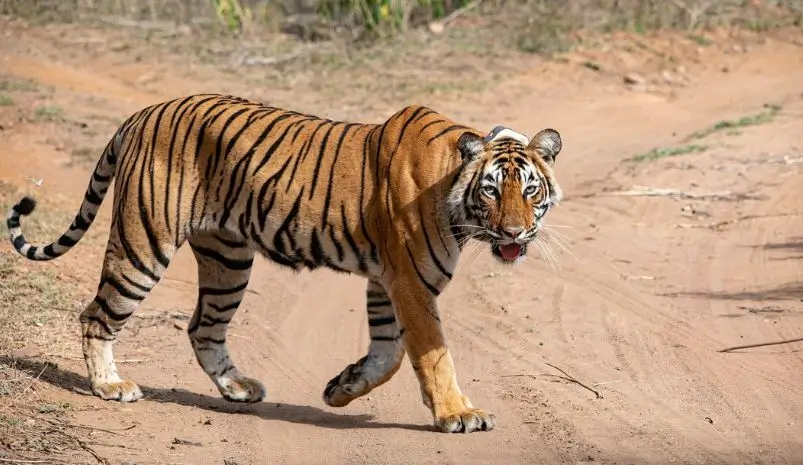
Located in the Alwar district of Rajasthan, Sariska Tiger Reserve is one of northern India's most rewarding wildlife destinations. Covering forests, grasslands, rocky hills and dry deciduous woodland, the reserve provides a natural habitat for tigers, leopards, striped hyenas, jackals, sambar deer, nilgai and hundreds of bird species. Unlike many national parks that require long journeys from major cities, Sariska is easily accessible from Jaipur and Delhi, making it a popular choice for both weekend travellers and international visitors exploring Rajasthan.
Although tigers are the biggest attraction, Sariska offers much more than wildlife sightings. Ancient temples, historic ruins, scenic valleys and peaceful forest roads create an experience that combines nature with history. Every safari is different because animal movements change daily, making each visit unique even for returning travellers.
The reserve is carefully managed to protect wildlife while allowing visitors to experience the forest responsibly. Open safari vehicles follow designated routes through different tourism zones under the supervision of trained guides and drivers. Patience is an important part of every safari because wildlife moves freely throughout the forest rather than remaining in fixed locations.
For travellers planning a Rajasthan road trip, Sariska Tiger Reserve fits comfortably into itineraries covering Jaipur, Alwar, Bharatpur and Ranthambore. Spending a night near the reserve also increases the opportunity to enjoy both morning and afternoon safaris while experiencing the peaceful surroundings beyond the forest itself.
While many visitors arrive hoping to spot a Royal Bengal Tiger, the reserve supports a remarkably diverse ecosystem that rewards every safari regardless of whether a tiger appears. The forest is home to several important predators, herbivores and bird species, creating one of Rajasthan's richest wildlife habitats.
The tiger remains the reserve's most celebrated resident. After successful conservation and relocation programmes, the tiger population has gradually increased, making Sariska an important example of wildlife restoration in India. Tiger sightings depend on natural movement patterns, weather conditions and a measure of patience, which is why every safari offers a different experience.
Leopards are another fascinating predator found within the reserve. Although naturally elusive, they are occasionally seen resting on rocky outcrops or moving quietly through the forest. Other carnivores include striped hyenas, jungle cats, jackals and foxes, all of which contribute to the reserve's balanced ecosystem.
Among herbivores, visitors frequently encounter sambar deer, spotted deer, nilgai, wild boar and four-horned antelope. These animals are commonly observed grazing in open grasslands or moving through woodland clearings, particularly during the cooler hours of the day.
Birdwatchers also appreciate the reserve's impressive variety of resident and migratory birds. Peafowl, crested serpent eagles, owls, kingfishers, partridges and numerous woodland species can often be seen throughout the safari routes. Carrying binoculars greatly improves the birdwatching experience.
The landscape itself is equally attractive. Rocky hills belonging to the Aravalli Range, seasonal streams, open valleys and dense forests create constantly changing scenery that makes every safari visually rewarding even when wildlife remains hidden.
Visitors should remember that wildlife sightings can never be guaranteed. Every animal inside the reserve moves freely in its natural habitat, and that unpredictability is what makes a safari both exciting and authentic.
Leave the busy tourist routes behind and enter a landscape where every turn can reveal something unexpected.
The forest department has divided Sariska Tiger Reserve into designated tourism zones to manage visitor movement while protecting wildlife habitats. Safari vehicles enter only the assigned routes, ensuring that tourism remains controlled and environmentally responsible.
Each safari is conducted in authorised open vehicles accompanied by trained drivers and guides who are familiar with animal movement, forest regulations and visitor safety. Following their instructions throughout the journey helps create a safe and enjoyable wildlife experience.
Safari Timings
Safari timings vary slightly depending on the season because sunrise and sunset change throughout the year. In general, the reserve operates two safari sessions each day.
|
Safari Session |
Approximate Timing |
|---|---|
|
Morning Safari |
Around 6:00 AM to 10:00 AM |
|
Afternoon Safari |
Around 2:00 PM to 6:00 PM |
Visitors should arrive well before the reporting time because entry formalities and vehicle allocation begin before the safari starts.
Safari Booking
Advance booking is highly recommended, particularly during weekends, public holidays and the peak travel season. Limited vehicle permits are issued for each safari session, and popular dates often become fully booked several days in advance.
Bookings generally require valid identification details for every visitor. Carrying the same identification document used during the reservation is essential because it may be checked before entering the reserve.
Entry Fee and Safari Charges
Safari costs depend on several factors, including:
Since the Rajasthan Forest Department periodically updates pricing, visitors should always confirm the latest Sariska Tiger Reserve entry fee and safari charges through the official booking system before finalising their trip.
Planning the safari in advance ensures better vehicle availability and allows travellers to choose convenient morning or afternoon sessions according to their overall Rajasthan itinerary.
Choosing the right season can make a noticeable difference to the overall Sariska Tiger Reserve experience. Although the reserve remains one of Rajasthan's most attractive wildlife destinations for much of the year, weather conditions influence animal movement, photography and visitor comfort.
The period between October and March is generally considered the most pleasant for a safari. Comfortable temperatures allow visitors to enjoy morning and afternoon drives without the intense heat experienced during summer. The forests remain attractive after the monsoon, and many herbivores can be seen grazing in open areas during the cooler hours of the day.
During April, May and June, daytime temperatures rise significantly. While the weather becomes much warmer, many wildlife enthusiasts still choose this period because animals frequently visit waterholes, increasing the possibility of observing them from designated safari routes. Early morning safaris are particularly popular during these months.
The monsoon season brings fresh greenery across the reserve. Certain tourism activities may be affected depending on weather conditions and forest department regulations, so visitors should always verify safari availability before planning their journey.
Regardless of the season, the first safari of the morning and the final safari of the afternoon often provide the most comfortable temperatures and the best opportunities for wildlife photography. Soft natural light also improves the quality of landscape and wildlife images.
Travellers hoping to see a tiger should remember that no national park can guarantee sightings. Patience, quiet observation and a knowledgeable guide play a much greater role than the time of year alone.
One of the reasons Sariska Tiger Reserve is so popular is its convenient location. The reserve is easily accessible from both Jaipur and Delhi, making it suitable for day trips as well as overnight wildlife holidays.
|
Starting Point |
Distance |
|---|---|
|
Jaipur |
Around 110 km |
|
Delhi |
Around 200 km |
|
Alwar |
Around 35 km |
|
Bharatpur |
Around 140 km |
|
Neemrana |
Around 120 km |
Travelling by road is the most practical option. The highways connecting Jaipur, Delhi and Alwar are generally in good condition, allowing a comfortable drive throughout the year.
Visitors travelling by private vehicle enjoy greater flexibility because they can reach the reporting point well before the safari begins without depending on public transport schedules.
The nearest major railway station is Alwar Junction, which is well connected with Jaipur, Delhi and several other Indian cities. From Alwar, taxis and private vehicles are readily available for the short journey to Sariska.
The nearest airport is Jaipur International Airport. International travellers arriving in Jaipur often continue directly to Sariska by private car before exploring other destinations across Rajasthan.
Step into the untamed beauty of Rajasthan at Sariska Tiger Reserve, where dramatic Aravalli hills, dense forests, open grasslands, ancient temples.
A wildlife safari is very different from visiting a fort or museum. Spending several hours inside an open vehicle requires a little preparation, especially during changing weather conditions.
Neutral-coloured clothing is recommended because bright colours may attract unnecessary attention from wildlife. Comfortable full-sleeve shirts, lightweight trousers and walking shoes provide protection from dust and sunlight while remaining suitable for the forest environment.
Morning safaris can feel cool during winter, making a light jacket useful even when daytime temperatures later become pleasant. During summer, carrying drinking water, sunglasses, sunscreen and a cap helps visitors remain comfortable throughout the drive.
Photography enthusiasts should carry extra camera batteries and memory cards because wildlife sightings often happen unexpectedly. A zoom lens is useful for photographing animals from a safe distance, while binoculars greatly improve birdwatching opportunities.
Maintaining silence during the safari benefits both visitors and wildlife. Loud conversations, playing music or attempting to attract animals reduces the quality of the experience for everyone in the vehicle. Guides frequently communicate quietly because even small sounds can influence animal behaviour.
Feeding wildlife, stepping outside the safari vehicle or throwing litter inside the forest is strictly prohibited. These regulations exist to protect both visitors and the reserve's fragile ecosystem.
Arriving at the safari gate at least 30 to 45 minutes before the reporting time allows sufficient time for ticket verification, identity checks and vehicle allocation.
Many travellers combine Sariska Tiger Reserve with nearby historical and cultural attractions, creating a well-balanced Rajasthan itinerary.
One of the most popular nearby sites is Bhangarh Fort, located within comfortable driving distance of the reserve. The historic ruins attract visitors interested in architecture, local legends and photography.
The Pandupol Hanuman Temple, situated inside the forest area, is another well-known destination visited by both pilgrims and tourists. Surrounded by hills and woodland, the temple offers a peaceful atmosphere beyond the main safari experience.
Visitors with additional time often include Alwar City, where attractions such as Alwar City Palace, Moosi Maharani Ki Chhatri and Siliserh Lake provide further opportunities to explore the history and natural beauty of the region.
Because these attractions lie within reasonable driving distance of one another, many visitors spend two or three days exploring the wider Alwar district instead of limiting their journey to a single safari.
Travelling to Sariska Tiger Reserve becomes far more convenient with reliable private transportation. Safari reporting times are fixed, and arriving late may result in missing the scheduled vehicle departure. A chauffeur-driven journey removes the stress of navigation, parking and local transport arrangements.
Rajasthan Tour Taxi provides comfortable private transfers from Jaipur, Delhi, Alwar and other destinations across Rajasthan. Whether you are planning a dedicated wildlife holiday or combining Sariska with Jaipur, Bharatpur, Ranthambore or Agra, your itinerary can be customised according to your travel plans.
With Mr. Shakeer and his experienced team, travellers enjoy flexible scheduling, comfortable vehicles and dependable transportation that allows them to focus entirely on the wildlife experience rather than travel logistics.
Our travel Faqs is your ultimate guide to exploring the top destinations in Rajasthan. From insider tips to comprehensive guides, we have everything you need to plan your trip with ease and convenience.
Yes. Sariska Tiger Reserve offers an excellent combination of wildlife, scenic landscapes, historic sites and convenient accessibility from Jaipur and Delhi.
No. Tigers live freely inside the reserve, so sightings depend on natural animal movement and cannot be guaranteed.
The reserve generally conducts two safari sessions daily, one in the morning and another in the afternoon.
Yes. Advance booking is strongly recommended because the number of safari vehicles permitted in each session is limited.
The period between October and March is generally considered the most comfortable for wildlife safaris.
Visitors frequently observe leopards, sambar deer, spotted deer, nilgai, wild boar, jackals, hyenas and numerous bird species.
The reserve is located approximately 110 kilometres from Jaipur.
Yes. Families with children can join authorised safari vehicles while following all forest department safety regulations.
No. Visitors must use authorised safari vehicles operated under forest department guidelines.
Rajasthan Tour Taxi provides private transfers and customised Rajasthan itineraries covering Sariska Tiger Reserve, Jaipur, Alwar, Bharatpur and other destinations with experienced chauffeur-driven vehicles.