
.webp)
Jodhpur is widely known for the massive walls of Mehrangarh Fort, blue-painted houses, royal palaces, and desert landscapes, but for food lovers, the city offers another unforgettable attraction — its extraordinary street food culture. Travelers walking through the old city quickly realize that food is deeply connected to everyday life in Jodhpur. Narrow market lanes are filled with the aroma of frying snacks, fresh sweets, masala chai, roasted spices, and traditional recipes that have remained popular for generations.
Unlike luxury dining experiences focused on presentation and atmosphere, street food in Jodhpur delivers bold flavors, fast service, local authenticity, and direct interaction with the city’s culture. From crowded stalls near Clock Tower Market to hidden sweet shops inside old bazaars, every corner of the city introduces visitors to different textures and spice combinations unique to Marwar cuisine.
The dry desert climate influenced Jodhpur’s food traditions heavily. Local snacks were designed to remain flavorful, filling, and practical for hot weather conditions. This explains why many dishes feature strong spices, fried textures, gram flour, clarified butter, and ingredients that could survive longer without refrigeration in earlier centuries.
Among all local dishes, Mirchi Bada and Mawa Kachori have become the city’s most iconic food items. Travelers visiting Jodhpur often specifically search for the best shops serving these specialties because tasting them has become an essential part of the local experience. Food-focused tourists now frequently include street food tours while booking a private Jodhpur sightseeing taxi or a Rajasthan food tour by car.
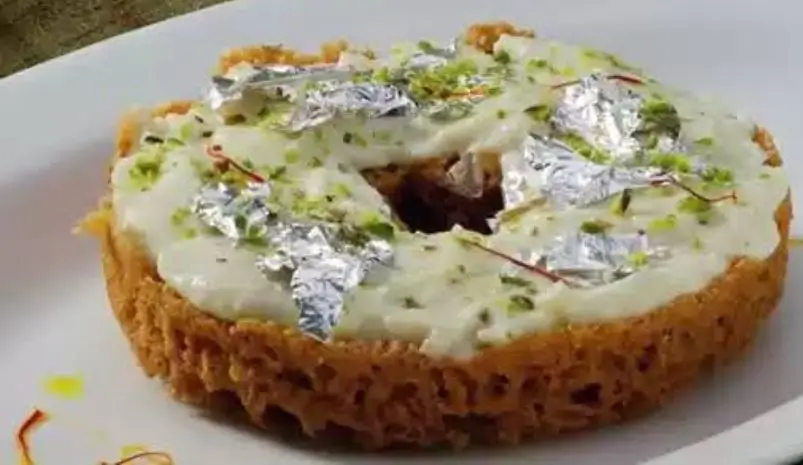
Several factors make Jodhpur one of Rajasthan’s best cities for traditional street food. The city combines strong Marwari culinary traditions, busy market culture, and recipes developed specifically for desert living conditions.
Marwari cuisine naturally emphasizes bold flavors and practical ingredients. Since Rajasthan historically experienced water shortages and extreme heat, local communities developed foods that could remain edible longer while still providing energy and strong taste. Fried snacks, dry spices, lentil-based recipes, and preserved sweets became common across the region.
Jodhpur’s trading history also influenced its food culture. Merchants traveling through desert routes brought spices, dry fruits, and cooking methods from different regions, helping the city evolve into a major culinary center. Local sweet shops and snack vendors gradually built reputations that continue even today.
The structure of the old city further supports vibrant street food culture. Busy markets surrounding Clock Tower, Nai Sarak, Sojati Gate, and Tripolia Bazaar remain filled with small food stalls and family-run snack shops serving residents throughout the day.
Another important factor is affordability. Travelers can sample multiple local specialties at very reasonable prices while still experiencing authentic regional flavors. Unlike formal restaurants, street food allows visitors to taste several dishes within a short time.
Food in Jodhpur is also closely connected to social life. Residents frequently gather at tea stalls, sweet shops, and evening snack counters, creating lively atmosphere throughout the city. Tourists walking through these areas experience not only the food but also the rhythm of local daily life.
Many travelers using a private Rajasthan driver service specifically ask for local food recommendations because experienced drivers often know the most authentic shops preferred by residents rather than only tourist-focused restaurants.
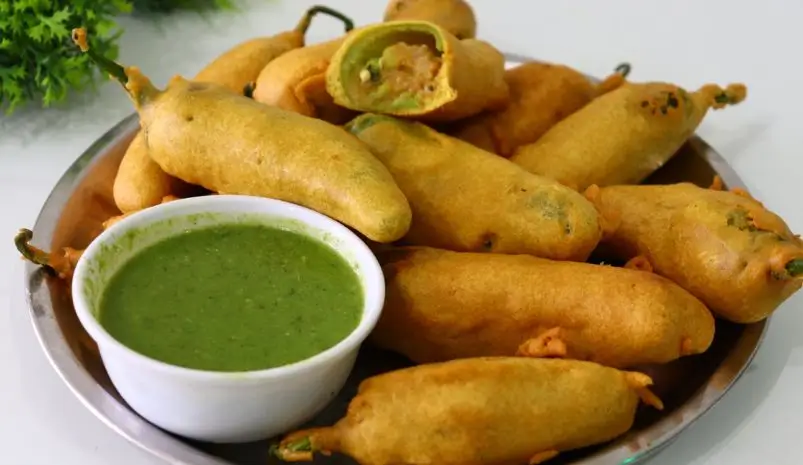
Among all street foods in Rajasthan, Mirchi Bada remains one of Jodhpur’s most iconic specialties. At first glance, it appears simple — a large green chili stuffed with spicy potato filling, coated in gram flour batter, and deep fried until crispy. However, the actual flavor combination creates something far more memorable.
Authentic Mirchi Bada balances heat, crunch, spice, and softness perfectly. The outer batter should remain crisp while the potato mixture inside stays flavorful and slightly tangy. Tamarind chutney and green coriander chutney are usually served alongside to balance the spice levels.
The snack became popular partly because it suited Rajasthan’s desert climate and working culture. Fried foods remained filling and practical for long working hours, while spices helped stimulate appetite even during hot weather conditions.
Janta Sweet Home is among the most famous places for tasting authentic Mirchi Bada in Jodhpur. Tourists and local residents often line up outside the shop, especially during evening hours. The crispy texture and strong spice profile make it one of the city’s most recognizable flavors.
Shahi Samosa Shop near Clock Tower Market also serves highly popular Mirchi Bada along with kachoris and traditional snacks. Travelers exploring the old city frequently stop here while visiting nearby markets and heritage lanes.
Most locals prefer eating Mirchi Bada fresh and hot directly from the frying counter. The snack pairs exceptionally well with masala chai during cooler evenings or winter mornings.
Travelers unfamiliar with spicy Indian food should note that authentic Mirchi Bada can feel significantly hot depending on the chili variety used. However, many shops adjust spice levels slightly for tourists if requested.
From crispy Mirchi Bada and spicy Pyaaz Kachori to creamy Makhaniya Lassi and irresistible Mawa Kachori, discover the local favorites that make Jodhpur one of India's most exciting street food destinations.
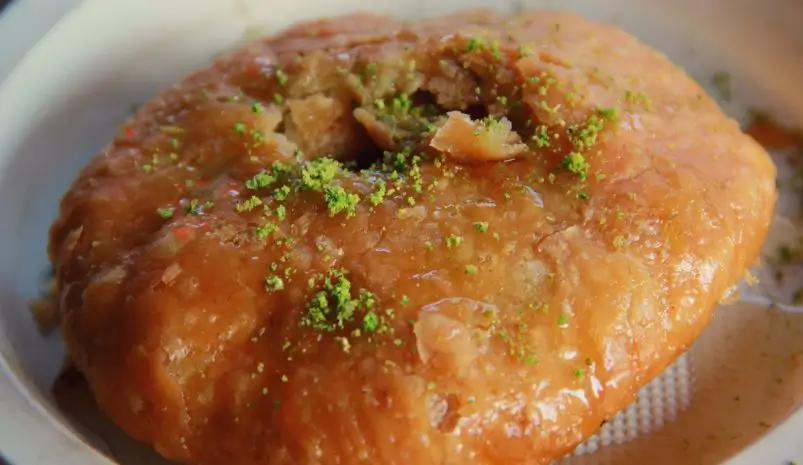
While Mirchi Bada dominates the spicy side of Jodhpur cuisine, Mawa Kachori represents the city’s sweet culinary identity. Unlike regular savory kachoris, this dessert version combines crispy pastry with rich sweet filling prepared using mawa, dry fruits, cardamom, and sugar syrup.
The outer shell is deep fried until golden and crisp before being filled or soaked with sweet ingredients. Proper Mawa Kachori should feel rich without becoming excessively sugary, while the texture should remain slightly crisp outside and soft inside.
Jodhpur’s sweet shops developed this dessert as part of Marwari festive traditions where rich sweets played an important role during weddings, celebrations, and religious events. Over time, the dish became one of the city’s most famous tourist food items.
Janta Sweet Home remains one of the best-known destinations for authentic Mawa Kachori in Jodhpur. Travelers often carry boxes back home because the sweet has become strongly associated with the city’s culinary reputation.
Chaturbhuj Gulab Jamun and several old sweet shops near Nai Sarak also prepare traditional Mawa Kachori using recipes passed down through generations.
The dessert feels particularly satisfying during winter evenings when paired with hot milk or masala chai. Many tourists visiting Mehrangarh Fort and Clock Tower Market specifically plan sweet shop stops before returning to their hotels.
Food photographers especially enjoy capturing Mawa Kachori because of its rich texture, syrup coating, and traditional presentation style.
The real charm of Jodhpur street food lies not only in individual dishes but also in the lively market atmosphere surrounding them. Several food streets and market zones remain famous for local snacks, sweets, tea stalls, and evening food culture.
Clock Tower Market remains the center of old city food exploration. The surrounding lanes contain sweet shops, kachori stalls, tea vendors, spice sellers, and traditional snack counters operating throughout the day. Evening hours become especially lively as both locals and tourists gather around food stalls.
Nai Sarak offers another excellent food area where travelers can find sweets, namkeen shops, local bakery items, and Rajasthan snacks. The market combines shopping with food exploration, making it popular among visitors.
Tripolia Bazaar and Sojati Gate areas also contain several hidden snack shops serving local favorites including pyaaz kachori, samosa, rabdi, lassi, and kulfi.
Street food near Mehrangarh Fort entrance areas often caters more toward tourists, while inner market stalls generally provide more authentic local flavors preferred by residents.
Food-focused travelers frequently explore these markets on foot because walking allows them to stop at multiple vendors, observe local cooking methods, and interact directly with shop owners.
Tourists booking a Jodhpur local sightseeing tour often combine food exploration with monument visits including Mehrangarh Fort, Jaswant Thada, Umaid Bhawan Palace, and old city markets.
Beyond Mirchi Bada and Mawa Kachori, Jodhpur offers many additional street food specialties that travelers should not miss.
Pyaaz Kachori remains another major local favorite. These flaky fried pastries are filled with spicy onion mixture and served hot with chutneys. The balance of crisp layers and flavorful filling makes them extremely addictive.
Makhania Lassi is famous throughout the city for its thick creamy texture topped with saffron, dry fruits, and butter foam. Several shops near Clock Tower serve highly popular versions attracting long customer queues.
Rabdi Ghewar combines Rajasthan’s traditional honeycomb-style dessert with thick sweetened milk, creating a rich festive sweet especially popular during celebrations.
Samosa, dal pakwan, bread pakora, kulfi falooda, and spicy namkeen mixtures are also commonly available across old city food lanes.
Travelers interested in authentic Marwari snacks often purchase packaged namkeen and sweets from famous local shops as edible souvenirs before leaving the city.
Pair your sightseeing with Jodhpur's most celebrated street food. From the Clock Tower Market to hidden local gems, we'll help you experience the city's heritage through its unforgettable flavors and authentic food trails.
Evening remains the best time for exploring street food markets in Jodhpur because temperatures become cooler and market activity increases significantly after sunset.
Winter months between October and March provide the most comfortable weather conditions for food walks and market exploration. During summer afternoons, heat can become intense, making evening visits more practical.
Many food stalls begin preparing fresh batches during late afternoon hours, ensuring snacks remain hot and crisp during peak evening periods.
Festival seasons bring even more variety to local sweet shops and street food counters as special seasonal desserts and festive snacks become available across the city.
Travelers planning extensive food exploration should ideally avoid rushing between sightseeing attractions. Spending relaxed evening hours inside old city markets creates a much more authentic culinary experience.
Booking a private Rajasthan taxi tour helps travelers comfortably move between forts, markets, restaurants, and food streets without transportation stress, especially during crowded evening hours.
Travelers trying Jodhpur street food for the first time should begin with smaller portions because local snacks can feel rich and spicy.
Choosing busy stalls with high customer turnover generally ensures fresher food and better hygiene standards. Popular shops usually maintain stronger quality consistency because of constant demand.
Drinking bottled water and avoiding cut fruits from roadside vendors may help sensitive travelers avoid digestion issues.
Visitors unfamiliar with strong spice levels should carry water or buttermilk while trying snacks like Mirchi Bada and spicy kachoris.
Street food photography is common and generally welcomed, though asking politely before photographing vendors remains respectful practice.
Travelers wanting structured culinary experiences may also book guided food walks covering multiple famous shops and local specialties across the old city.
Our travel Faqs is your ultimate guide to exploring the top destinations in Rajasthan. From insider tips to comprehensive guides, we have everything you need to plan your trip with ease and convenience.
Mirchi Bada and Mawa Kachori are considered the city’s most iconic street food specialties.
Janta Sweet Home and Shahi Samosa Shop remain among the most famous places.
It is a sweet fried pastry filled with mawa, dry fruits, and sugar syrup.
Some dishes can be quite spicy, especially Mirchi Bada and certain kachoris.
Clock Tower Market and surrounding old city lanes remain the top food areas.
Busy and well-known vendors generally maintain good freshness and food quality.
Evening hours offer the best atmosphere and freshest snack preparation.
Yes, most famous local snacks and sweets are vegetarian.
Yes, namkeen, sweets, spices, and packaged snacks are popular edible souvenirs.
Many travelers prefer booking a private Jodhpur taxi or a Rajasthan sightseeing cab for easy transportation between markets, forts, and famous food streets.