
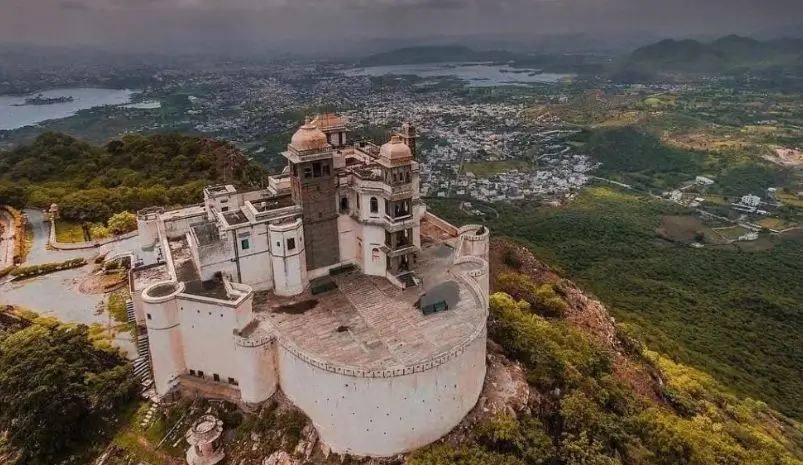
When people think about Rajasthan, they often imagine golden deserts, bright sunshine and dry landscapes. However, the state looks surprisingly different during July and August, when the monsoon arrives. Although Rajasthan does not receive the same heavy rainfall as many other parts of India, seasonal showers transform hills, lakes, forests and countryside into fresh green landscapes that many visitors never expect.
Travelling during the monsoon offers a quieter experience compared with the busy winter season. Popular attractions become less crowded, hotel prices are often more attractive and photography enthusiasts enjoy dramatic skies filled with clouds instead of the clear blue backgrounds common during winter. Historic forts, palace complexes and lakes appear even more striking after rainfall, while the Aravalli Hills become greener than at any other time of the year.
Not every destination is affected in the same way. Cities such as Udaipur, Mount Abu, Bundi, Kumbhalgarh and parts of southern Rajasthan receive noticeably more greenery than the desert districts of western Rajasthan. Meanwhile, places like Jaisalmer continue to offer desert landscapes with occasional refreshing showers.
Road travel also remains comfortable during most of the season because Rajasthan has an extensive highway network connecting its major cities. Short periods of rain may slow traffic, but widespread travel disruptions are uncommon on the state's principal routes.
For travellers who enjoy peaceful sightseeing, landscape photography, heritage hotels and pleasant weather without peak-season crowds, Rajasthan in July and August offers a refreshing perspective that is very different from the traditional image of the desert state.
.webp)
The arrival of the southwest monsoon brings noticeable changes across Rajasthan. Temperatures become lower than the intense summer months, humidity increases slightly and occasional rainfall provides welcome relief throughout much of the state.
Daytime temperatures generally range between 26°C and 34°C, depending on the destination. Southern and eastern Rajasthan usually receive more rainfall than the western desert districts, resulting in greener landscapes around Udaipur, Mount Abu, Kumbhalgarh, Ranakpur and surrounding areas. Even where rainfall is limited, cloudy skies and cooler winds make sightseeing far more comfortable than during May and June.
Rainfall patterns vary considerably. Some days remain completely dry, while others experience short afternoon showers followed by clear weather. Continuous rainfall lasting an entire day is relatively uncommon in most tourist destinations, allowing visitors to continue sightseeing with only minor adjustments to their schedule.
The monsoon also improves visibility around lakes, forests and hill regions. Water levels rise in major lakes, waterfalls begin flowing again and wildlife habitats become greener. These seasonal changes make July and August particularly attractive for landscape photographers.
Although humidity is slightly higher than during winter, it remains lower than many coastal regions of India. Most visitors find the weather comfortable enough for sightseeing with lightweight clothing, a rain jacket and comfortable waterproof footwear.
Monsoon transforms Rajasthan into a quieter and more refreshing destination, with greener landscapes, fuller lakes, dramatic skies, and exceptional heritage stays.
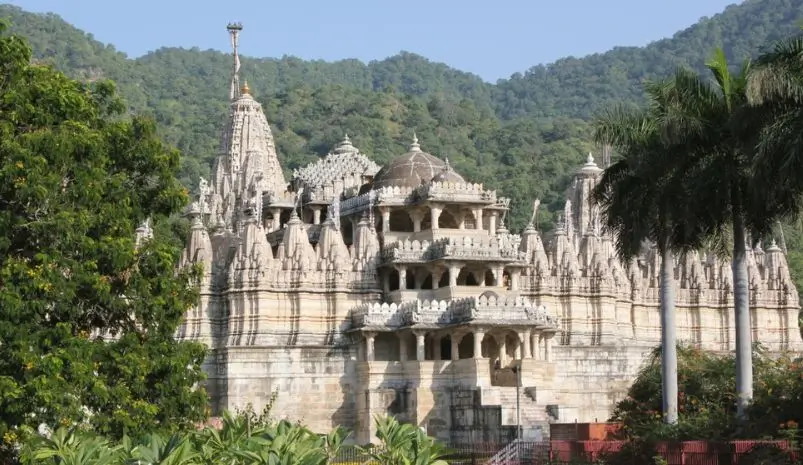
Some destinations become especially attractive once the monsoon reaches Rajasthan. The combination of rainfall, green hills and full lakes creates scenery that is rarely seen during the dry months.
Udaipur is one of the finest places to visit during July and August. Lake Pichola, Fateh Sagar Lake and the surrounding Aravalli Hills appear particularly beautiful after rainfall. Boat rides continue to operate whenever weather conditions permit, while palace gardens and lakeside viewpoints become much greener.
Mount Abu, Rajasthan's only hill station, experiences one of its most pleasant seasons during the monsoon. Mist-covered hills, flowing waterfalls, cool temperatures and fresh mountain air attract visitors seeking a break from the plains. Nakki Lake, Sunset Point and nearby viewpoints become especially scenic after rainfall.
Kumbhalgarh also becomes a rewarding destination. The massive fort walls stand against green hills, creating dramatic landscapes that differ completely from the dry scenery seen during winter. Nearby Ranakpur Jain Temple is another excellent stop, surrounded by lush countryside during the monsoon months.
Travellers interested in photography often include Bundi, where historic palaces, stepwells and narrow streets look especially attractive beneath cloudy skies. The surrounding countryside becomes greener, adding another dimension to the town's already impressive architecture.
Although Jaisalmer remains largely desert, occasional showers settle the sand and create cooler evenings, making fort visits and local sightseeing more comfortable than during the summer heat.
A common question among travellers is whether Rajasthan's major attractions remain open during the monsoon. The answer is reassuring—almost all of the state's most famous tourist destinations continue operating throughout July and August.
Historic attractions such as Amber Fort, Mehrangarh Fort, City Palace Udaipur, Jaisalmer Fort, Kumbhalgarh Fort and numerous museums remain open according to their normal schedules. Heritage hotels, restaurants, rooftop cafés and cultural venues also continue welcoming visitors.
Boat rides on lakes such as Lake Pichola and Fateh Sagar Lake generally operate whenever weather conditions remain safe. Short interruptions may occur during periods of heavy rainfall, but services usually resume once conditions improve.
Road connectivity between major cities including Jaipur, Udaipur, Jodhpur, Jaisalmer and Mount Abu remains reliable throughout most of the season. Highways are well maintained, allowing comfortable travel with only occasional delays during heavier showers.
Many luxury hotels also introduce attractive seasonal offers during the monsoon, making July and August an appealing time for travellers seeking premium accommodation at competitive prices.
Unlike destinations that experience prolonged monsoon disruptions, Rajasthan's tourism infrastructure continues functioning smoothly, allowing visitors to enjoy heritage attractions, scenic drives and cultural experiences with relatively few interruptions.
.webp)
Although Rajasthan in July and August offers pleasant weather and beautiful scenery, a few simple precautions help visitors enjoy a smoother journey. Monsoon travel across Rajasthan is generally comfortable, but understanding seasonal conditions makes planning much easier.
Long outdoor sightseeing during periods of heavy afternoon rain is best avoided. Most showers last only a short time, making it practical to visit museums, cafés or heritage hotels until the weather clears. Checking the local forecast before leaving for the day also helps in planning sightseeing around expected rainfall.
Visitors should avoid walking on slippery fort walls, steep stone staircases and wet viewpoints without proper footwear. Historic monuments such as Mehrangarh Fort, Amber Fort and Kumbhalgarh Fort have stone pathways that become smooth after rain, so shoes with good grip provide better safety.
Desert activities around Jaisalmer occasionally experience minor schedule changes after rainfall. Camel safaris, jeep rides or cultural programmes usually continue, but timings may be adjusted depending on ground conditions. Confirming activity schedules with the camp operator before departure is always advisable.
Travellers planning road trips should avoid driving after dark on unfamiliar rural roads during rainy weather. Major highways remain in good condition, but daylight travel provides better visibility and a more relaxed driving experience.
Visitors should also protect cameras, mobile phones and travel documents with waterproof covers. Short showers often arrive unexpectedly, and simple protection prevents unnecessary inconvenience during sightseeing.
See Rajasthan in a completely different light during July and August, when the Aravalli Hills turn green, lakes come alive, waterfalls flow, and historic forts rise dramatically against cloudy skies.
Packing for Rajasthan during the monsoon is relatively straightforward because temperatures remain comfortable throughout most of the season. Lightweight cotton clothing remains suitable for daytime sightseeing, while a light waterproof jacket or compact umbrella is useful during occasional showers.
Comfortable waterproof walking shoes are one of the most important items to carry. Many attractions involve walking through palace courtyards, old city streets and historic forts where surfaces may become wet after rain.
A small backpack with a rain cover is useful for carrying drinking water, cameras, sunglasses and personal items while keeping them protected during sudden showers. Visitors travelling with photography equipment should also carry waterproof camera covers and microfiber cloths to keep lenses dry.
Mosquito repellent can be helpful when staying near lakes, gardens or forest areas, particularly during evening hours. Although mosquito activity is generally lower than in tropical regions, carrying repellent adds extra comfort during outdoor dining or evening walks.
Power banks, spare camera batteries and additional memory cards are useful because the dramatic monsoon landscapes often encourage longer photography sessions than originally planned.
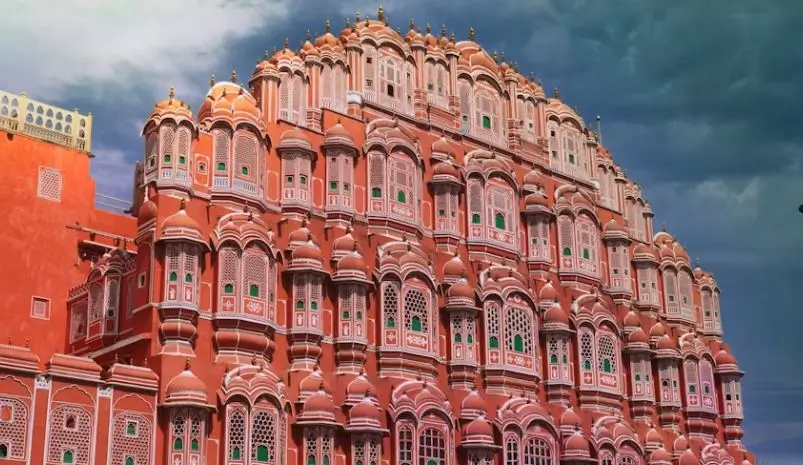
The pleasant weather of July and August makes it possible to enjoy a relaxed road trip across several regions of Rajasthan. Since the state experiences varying rainfall levels, combining hill stations, lakes, heritage cities and desert destinations creates an interesting travel experience.
Many visitors begin their journey in Jaipur, exploring Amber Fort, City Palace, Hawa Mahal and the colourful local markets before travelling towards Udaipur. During the monsoon, Udaipur's lakes, gardens and surrounding hills appear at their most attractive, making it one of the highlights of the season.
From Udaipur, travellers often continue to Kumbhalgarh and Ranakpur, where the green Aravalli landscape creates spectacular scenery around the historic fort and famous Jain temple. Those looking for cooler weather frequently include Mount Abu, enjoying scenic viewpoints, Nakki Lake and peaceful mountain roads.
Visitors interested in heritage architecture may add Bundi or the Shekhawati Region, while those wishing to experience Rajasthan's famous desert landscapes can complete the journey in Jodhpur and Jaisalmer, where occasional rainfall creates a refreshing contrast to the golden sand dunes.
A road trip lasting 7 to 9 days provides enough time to comfortably enjoy Rajasthan's changing landscapes without rushing between destinations.
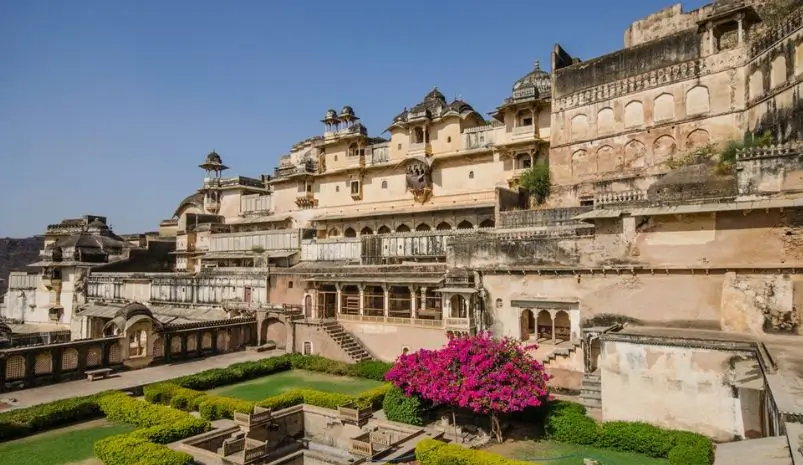
Travelling across Rajasthan during the monsoon becomes far more enjoyable when transportation is organised around your own schedule. Rather than adjusting plans according to public transport or changing weather conditions, a private chauffeur-driven vehicle allows complete flexibility throughout the journey.
Rajasthan Tour Taxi offers customised private tours covering Jaipur, Udaipur, Mount Abu, Kumbhalgarh, Ranakpur, Jodhpur, Jaisalmer, Bundi, Pushkar and many other destinations across Rajasthan.
With Mr. Shakeer and his experienced team, travellers receive well-maintained vehicles, professional drivers and carefully planned itineraries that make monsoon road travel comfortable and enjoyable. If rainfall temporarily affects sightseeing, your schedule can easily be adjusted without the restrictions of fixed group tours.
Private transportation also provides the freedom to stop at scenic viewpoints, lakes, waterfalls, countryside cafés and photography locations whenever weather conditions create particularly beautiful landscapes.
Our travel Faqs is your ultimate guide to exploring the top destinations in Rajasthan. From insider tips to comprehensive guides, we have everything you need to plan your trip with ease and convenience.
Yes. July offers cooler temperatures, greener landscapes and fewer tourist crowds, making it an enjoyable time for travellers who appreciate monsoon scenery.
Rainfall varies across the state. Southern Rajasthan generally receives more rain than western desert regions, but prolonged heavy rainfall is uncommon in most major tourist destinations.
Udaipur, Mount Abu, Kumbhalgarh, Ranakpur and Bundi become especially beautiful during July and August because of the lush green surroundings.
Yes. Most major attractions, including Amber Fort, Mehrangarh Fort, City Palace Udaipur and Jaisalmer Fort, remain open throughout the season.
Yes. Rajasthan's major highways remain in good condition, although occasional rain may cause minor delays. Travelling during daylight hours is generally recommended.
Yes. Jaisalmer remains open for tourism, and occasional rainfall creates cooler weather for sightseeing and desert experiences.
Light cotton clothing, waterproof footwear, a rain jacket or umbrella and protective covers for electronic devices are recommended.
Some wildlife parks may operate with seasonal restrictions depending on forest department regulations. Visitors should verify availability before planning a safari.
A journey of 7 to 9 days allows visitors to comfortably experience lakes, hill stations, heritage cities and desert destinations.
Rajasthan Tour Taxi provides private chauffeur-driven tours across Rajasthan with flexible itineraries, comfortable vehicles and experienced drivers, allowing travellers to enjoy the state's monsoon landscapes safely and conveniently.