
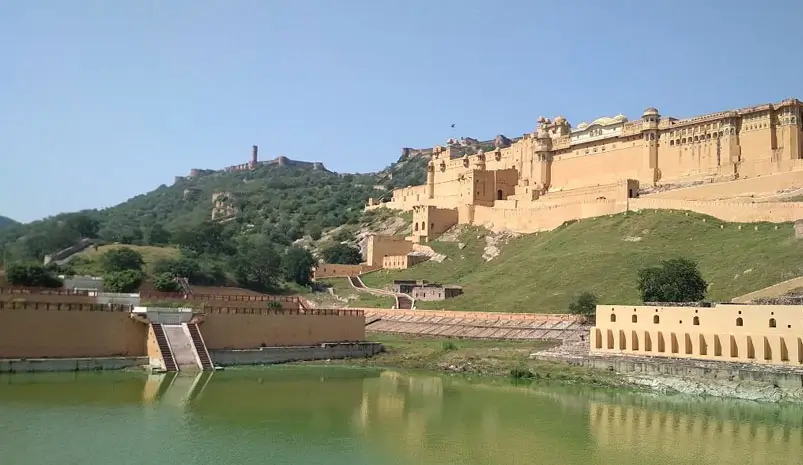
Rajasthan remains one of the most enchanting regions of India, a place where palaces shine under the desert sun, forts rise above ancient landscapes, and centuries-old traditions continue to breathe through art, music and daily life. Travellers from around the world arrive to experience the colours, culture, hospitality and royal charm that this remarkable state carries. The only factor that truly defines the quality of your holiday here is timing. Weather, crowd level, hotel rates, festival activity and overall comfort depend entirely on the month you choose.
This month-by-month travel guide has been written specifically for international visitors planning a personalised trip through Rajasthan. Each segment offers deep insight into the climate, cultural mood, sightseeing conditions, travel costs and overall suitability for tourists. The aim is to help travellers plan the perfect journey based on their expectations — whether they prefer pleasant winter weather, vibrant festivals, peaceful monsoon landscapes, quiet summer zones or exclusive wildlife experiences.
This guide uses essential search-friendly terms inside the blog itself, such as best time to visit Rajasthan, Rajasthan weather, Rajasthan travel season, desert safari timings, Rajasthan festivals and Rajasthan tour planning, ensuring the content remains optimised while still reading naturally and professionally.
January is considered the ideal winter month to explore Rajasthan. The air remains crisp, the skies stay clear, and the sunshine during the day creates perfect conditions for sightseeing. International travellers who prefer mild climates find Rajasthan winter travel highly enjoyable. Popular destinations such as Jaipur, Udaipur, Jodhpur and Jaisalmer feel vibrant, with bustling bazaars and lively cultural evenings.
The landscapes in January appear photogenic at all hours, making it a favourite month for photographers. Desert regions remain cool, making camel rides and desert safaris exceptionally comfortable. Rooftop dining, lake views and fort visits are smooth experiences without any weather-related discomfort.
Because of the pleasant climate, hotel rates are slightly higher, especially in popular heritage properties, but the experience delivered in January is premium in every sense. Events like the Jaipur Literature Festival and the Bikaner Camel Festival attract travellers looking for culture-rich experiences.
February keeps the winter charm alive but with softer sunshine and gentler breezes. The climate leans toward romantic warmth, making it a popular month for couples and honeymooners. Udaipur lake views, Jaipur sunsets and Jaisalmer sand dunes look particularly beautiful during this month.
February is also a great time for outdoor experiences such as heritage walks, food tours, city palace visits and cultural evening shows. The weather stays comfortable throughout the day, encouraging longer sightseeing hours without fatigue. Hotel prices remain slightly on the higher side but are more relaxed than the December–January peak.
With multiple craft festivals, folk events and cultural gatherings taking place across Rajasthan, February offers a perfect combination of climate, comfort and culture.
March introduces spring, offering warm days and clear skies. Sightseeing becomes easy because the temperature, although warmer than winter, stays pleasant. Travellers interested in Rajasthan festival tourism often choose March for one of the most celebrated events — Holi. Pushkar and Jaipur are particularly famous for colourful celebrations that attract visitors seeking authentic cultural experiences.
Photography conditions during March remain excellent due to bright daylight. Hotel rates start to fall because the peak winter season comes to an end. Travellers who wish to explore forts, palaces and monuments without heavy crowds find March a balanced period when climate and costs work together comfortably.
Unsure about the best time to visit Rajasthan? Let us help you customize your travel plan.
April marks the early summer stage when temperatures begin to rise. While the heat increases during the day, mornings and evenings remain fairly pleasant. Travellers who enjoy quiet cultural trips prefer April because the tourist crowd drops significantly. This creates a peaceful atmosphere around major attractions, allowing visitors to explore palaces and old towns at a relaxed pace.
April is also known for the lowest accommodation rates in many top cities. Visitors who prefer budget-friendly Rajasthan tours but still want a high-quality experience find April an ideal month. Udaipur, Kumbhalgarh and Mount Abu remain slightly cooler compared to the desert belt, offering a balanced summer escape.
May is undeniably one of the hottest months in Rajasthan, and while this may be challenging for some travellers, wildlife enthusiasts consider it a prime period. Ranthambore Tiger Reserve records its highest number of tiger sightings during May because animals frequently come out in search of water. Photographers who prefer exclusive sightings and dramatic wildlife frames often choose this month intentionally.
Tourists who travel with private air-conditioned cars and maintain a slow itinerary find May surprisingly manageable. Due to the intense heat, hotel and safari prices drop sharply. Desert regions remain extremely warm, so they are best experienced during early mornings or late evenings.
Although not a mainstream tourist month, May rewards travellers looking for quiet zones, low prices and outstanding wildlife activity.
June continues the summer wave but begins to show early signs of monsoon. Dramatic sky formations, golden sunlight and deep shadows make it a favourite month for Rajasthan landscape photography. Heat remains high, but travellers who plan smartly around mornings and evenings can still enjoy historical sites and wildlife safaris without stress.
The advantage of June is exclusivity. Crowds disappear, hotels offer exceptional discounts, and travellers get uninterrupted access to heritage areas. Experienced explorers who appreciate Rajasthan beyond its commercial image find June an extremely rewarding period.
July welcomes the monsoon, giving Rajasthan a fresh and vibrant look. Udaipur becomes spectacular with misty lakes, lush surroundings and soft rainfall. Jaipur and Jodhpur also appear visually refreshing. This period suits travellers who enjoy dramatic scenery, romantic weather and atmospheric photographs.
Hotel rates remain moderate because July falls outside the peak tourist season. The monsoon atmosphere enhances the charm of palaces, forts and countryside landscapes. Travellers who wish to experience a peaceful Rajasthan tour with lush scenery find July highly appealing.
August deepens the monsoon experience. This is when Rajasthan’s hills, forests and countryside look extraordinarily green. Udaipur, Kumbhalgarh, Bundi and Mount Abu receive a magical glow that makes them ideal for nature lovers and couples.
Monsoon festivals, local markets, traditional food and evening cultural shows become more vibrant during this month. Travellers who enjoy offbeat, calm and visually rich experiences find August to be one of the most picturesque months for Rajasthan travel.
September acts as a transition month — monsoon ends, temperatures drop and skies clear beautifully. The weather becomes extremely pleasant, especially during evenings, and sightseeing becomes smooth again. Since this month sits just before the peak tourist season, travellers benefit from lower prices in hotels, tours and transport.
Rajasthan feels fresh, green and revitalised, making September perfect for photography, city walks, heritage tours and lakefront experiences. Many international travellers consider September a smart month for planning a balanced trip.
October is widely regarded as one of the best months to visit Rajasthan. The weather turns perfect for daytime exploration, while evenings bring a calm coolness. Tourist attractions begin to get livelier, desert camps reopen after the summer break, and cultural shows resume in the evenings.
October is particularly comfortable for first-time visitors who want to experience the classic charm of Jaipur, Jodhpur, Udaipur and Jaisalmer. Heritage hotels start operating at near-full capacity, and the overall travel atmosphere becomes far more energetic.
Festivals like Dussehra and the Marwar Festival enrich the experience, making October a truly rewarding month to travel.
November brings a festive mood across Rajasthan. Diwali fills the cities with lights and celebration, and wedding season adds colour and vibrancy through the month. Weather stabilises into ideal winter conditions that attract a high volume of international travellers.
Clear skies provide perfect visibility for photography. Desert experiences become highly comfortable and heritage attractions stay active with cultural shows. Travellers who enjoy premium stays, cultural evenings, palace visits and scenic desert evenings find November exceptional.
December is the ultimate travel month in Rajasthan. Tourists from around the world arrive to celebrate Christmas and New Year in royal style. Cities such as Jaipur, Udaipur and Jaisalmer stay lively with music, dining events, rooftop gatherings and festive markets.
Weather remains cold but pleasant for sightseeing. The desert becomes magical with winter starlit skies, making Jaisalmer desert camps extremely popular. Due to very high demand, hotel rates peak during December, but the experience becomes truly memorable.