
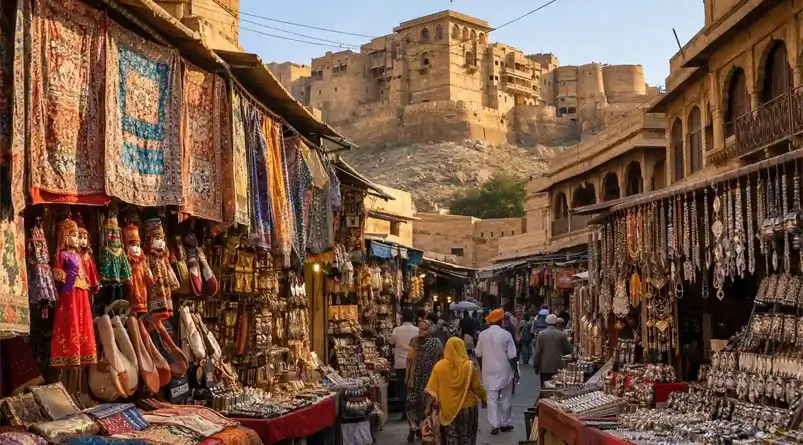
Rajasthan is famous for its majestic forts, royal palaces, and colorful cities such as Jaipur, Jodhpur, and Udaipur. While these historic destinations attract millions of visitors every year, the true cultural soul of the region often exists far beyond the major tourist landmarks. Rural villages across Rajasthan preserve centuries-old traditions, and one of the most fascinating ways to experience this living culture is through the region’s village markets.
These local village markets in Rajasthan, often known as traditional bazaars or “haats,” are not simply places where goods are bought and sold. They are social spaces where villagers gather, farmers trade produce, artisans sell handmade crafts, and travelers witness the rhythms of everyday life. Visiting these markets offers a rare opportunity to observe authentic rural culture that has remained largely unchanged for generations.
For travelers interested in deeper cultural exploration, spending time in Rajasthan village markets provides insights that cannot be found in museums or city attractions. The atmosphere is vibrant, colorful, and full of human interaction. People come not only to trade but also to meet friends, exchange news, and celebrate local traditions.
Travelers exploring the region through private Rajasthan tours with local drivers often include village market visits as part of their itinerary because these experiences reveal the human side of Rajasthan beyond its palaces and monuments.
Village markets have long served as the economic and social centers of rural communities. In many parts of Rajasthan, weekly markets bring together people from surrounding villages who travel by foot, bicycle, motorcycle, or camel carts to sell goods and purchase essential items.
These markets represent a centuries-old system of rural trade where farmers, craftsmen, and merchants exchange products directly. Agricultural produce such as vegetables, grains, spices, and dairy products are commonly sold alongside textiles, pottery, tools, and household items.
Unlike large urban markets designed primarily for tourists, traditional rural bazaars in Rajasthan remain focused on the needs of local communities. The authenticity of these markets allows visitors to observe everyday life exactly as it unfolds for villagers.
People gather to talk, share meals, and maintain social connections. The market environment becomes a vibrant social event rather than simply a place for commerce.
For travelers, this setting provides an immersive cultural experience where the rhythms of village life become visible through conversation, trade, and traditional clothing.
Step into the vibrant village markets of Rajasthan and explore authentic handicrafts, textiles and local traditions. Travel comfortably with a private car and driver to discover hidden cultural gems beyond the city.
Chat On WhatsApp Contact UsOne of the most fascinating aspects of visiting rural markets in Rajasthan is the opportunity to see locally produced crafts sold directly by artisans. Rajasthan has a long tradition of craftsmanship that includes textiles, pottery, jewelry, and decorative arts.
Many artisans bring handmade goods to village markets where they sell them directly to local buyers. Travelers may see colorful embroidered textiles, traditional turbans, leather footwear known as mojari, and handmade pottery.
Jewelry made from silver and semi-precious stones is also commonly found in rural markets, particularly in desert regions where tribal communities maintain strong craft traditions.
These markets allow visitors to appreciate how traditional crafts remain integrated into everyday life rather than existing only as souvenirs for tourists.
Purchasing crafts directly from artisans also supports rural livelihoods and helps preserve traditional skills that have been passed down through generations.
Agriculture forms the backbone of many rural communities in Rajasthan. Village markets therefore often feature large sections dedicated to fresh produce and farming goods.
Farmers arrive early in the morning carrying vegetables, grains, fruits, and spices harvested from nearby fields. The produce is displayed in simple arrangements where buyers examine quality and negotiate prices.
Spices such as cumin, coriander, and chili powder fill the air with strong aromas, while colorful vegetables create vibrant displays across market stalls.
These rural food markets in Rajasthan provide an authentic look into local dietary habits and agricultural traditions. Visitors can observe how seasonal produce shapes the daily cooking practices of villagers.
The freshness of these markets also reflects the direct relationship between farmers and consumers that continues to exist in rural areas.
For travelers interested in food culture, exploring these markets offers valuable insights into traditional Rajasthani cuisine.
The region surrounding Jaipur contains several villages where traditional markets still operate regularly. These markets attract farmers, artisans, and traders from nearby communities.
Visitors traveling outside Jaipur may encounter small rural bazaars where textiles, pottery, and agricultural goods are sold alongside traditional snacks and tea stalls.
Markets in areas such as Bagru and Sanganer, known for their hand block printing traditions, provide opportunities to observe how artisans sell textiles within their local communities.
Travelers visiting these markets often discover that they offer a completely different experience from the bustling tourist markets found inside Jaipur city.
The relaxed pace and friendly atmosphere allow visitors to interact with villagers and observe daily life without the commercial intensity of urban shopping districts.
The desert regions around Jaisalmer offer some of the most unique rural markets in Rajasthan. In these remote landscapes, weekly bazaars become essential meeting points for communities living across vast distances.
Camel herders, farmers, and traders gather in desert market towns to exchange goods ranging from livestock to traditional clothing and household supplies.
Visitors exploring the Thar Desert often encounter these markets during Jaisalmer desert tours, where camel carts and colorful turbans create a striking visual scene against the sandy landscape.
The desert environment adds a special atmosphere to these markets, where traders sit beneath temporary shade structures while negotiating prices and sharing tea.
These markets reveal how communities adapt traditional trading practices to the challenges of desert living.
Step beyond the usual tourist trails and discover the real Rajasthan through its colorful village markets. Plan your trip today and connect with local artisans, traditions, and timeless heritage.
Chat On WhatsApp Contact UsBeyond trade and commerce, village markets play an important social role in rural Rajasthan. They serve as gathering places where people maintain relationships and strengthen community bonds.
Families often visit the market together, combining shopping with social interaction. Elders discuss village matters, children observe the lively environment, and traders exchange news about surrounding regions.
For travelers, witnessing these interactions offers a deeper understanding of rural society. Conversations between vendors and customers reveal the trust and familiarity that exist within close-knit communities.
These markets highlight the human connections that define village life in Rajasthan.
Travelers who visit authentic rural markets in Rajasthan often find that the warmth and openness of local people become one of the most memorable parts of their journey.
Visitors exploring village markets should approach these experiences with cultural sensitivity and respect for local traditions. Markets primarily serve local communities rather than tourism, so travelers should observe respectfully without disrupting normal activities.
Photography is often welcomed, but asking permission before photographing individuals demonstrates courtesy and appreciation for local culture.
Supporting local vendors by purchasing small items also contributes positively to the community economy.
Travelers who approach village markets with curiosity and respect often find that locals respond warmly, creating meaningful interactions that enrich the travel experience.
Village markets reveal a side of Rajasthan that remains hidden from typical tourist itineraries. They showcase the everyday realities of rural life where traditions, commerce, and community connections continue to flourish.
For travelers seeking authentic cultural experiences, visiting Rajasthan rural bazaars offers a powerful glimpse into the living heritage of the region.
The colors, sounds, and human energy of these markets reflect a timeless way of life that has endured across generations.
Exploring these markets reminds visitors that Rajasthan’s culture is not only preserved in historic monuments but also alive within the daily routines of its people.
Travelers interested in discovering these authentic experiences can explore rural areas comfortably through personalized journeys.
Rajasthan Tour Taxi provides private car and driver services for travelers exploring villages, heritage cities, and cultural destinations across Rajasthan.
Mr. Shakeer
+91-9314165249
raj.tours.jp@gmail.com