
North India’s spiritual geography forms a powerful triangle of devotion, history, and ritual practice when Varanasi, Pushkar, and Ayodhya are connected in one continuous pilgrimage journey. Each city represents a different dimension of faith. Ayodhya symbolizes divine birth and dharma, Varanasi represents liberation and eternal spirituality on the banks of the Ganges, and Pushkar embodies sacred creation and temple worship around its holy lake. Combining these three destinations through a private car with driver for spiritual circuit travel transforms the journey from fragmented temple visits into a cohesive pilgrimage narrative.
Traveling by road offers pilgrims the ability to move at a pace aligned with spiritual intention rather than train schedules or airport constraints. Families often prefer a Rajasthan private driver service because it ensures flexibility, especially when elders or children are part of the group. Long-distance pilgrimage requires careful planning of rest stops, accommodation, darshan timing, and ritual participation. This guide explains how to structure a spiritually balanced circuit that connects these sacred cities comfortably and meaningfully.
Pushkar, located in Rajasthan, serves as the natural starting point for many pilgrims beginning their journey in the western part of India. The town is home to one of the rare Brahma temples in the world and is centered around the sacred Pushkar Lake. Pilgrims often begin their spiritual preparation here through ritual bathing at the ghats and temple visits before embarking on a longer northward journey.
The atmosphere of Pushkar differs from the intensity of Varanasi and the devotional fervor of Ayodhya. It is quieter, reflective, and suited for spiritual grounding. Morning aarti at the lake creates a serene opening to the circuit. Many travelers hire a private car with driver in Rajasthan to reach Pushkar from Jaipur comfortably, allowing them to begin the journey without fatigue.
Staying one night in Pushkar provides adequate time to visit the Brahma Temple, Savitri Temple, and walk around the ghats. Beginning the circuit here creates spiritual continuity that flows naturally into the more elaborate experiences awaiting in Varanasi and Ayodhya.
The journey from Pushkar to Varanasi requires thoughtful pacing. Covering such a distance in a single stretch is not advisable, particularly for families. Breaking the drive into structured segments ensures comfort and safety. Many travelers halt midway in cities such as Agra or Lucknow, allowing cultural exploration alongside spiritual progression.
A private driver for long-distance pilgrimage travel understands highway routes, rest stop planning, and safe overnight accommodations. Maintaining hydration and balanced meal intervals prevents fatigue during the journey. Inside the vehicle, pilgrims often use travel time for devotional music, scripture reading, or quiet reflection.
The gradual transition from Rajasthan’s desert landscape to the fertile plains of Uttar Pradesh creates a geographical shift that mirrors the evolving spiritual intensity of the pilgrimage. Proper route planning ensures that arrival in Varanasi feels purposeful rather than exhausting.
Enjoy seamless travel, flexible stops, and comfortable rides across India’s most iconic destinations.
Customize Your Trip Talk to PlannerVaranasi represents one of the most sacred cities in Hindu tradition. Situated along the Ganges River, it is believed to grant liberation to those who die within its sacred geography. For pilgrims traveling through this spiritual circuit, Varanasi becomes the emotional and ritual high point.
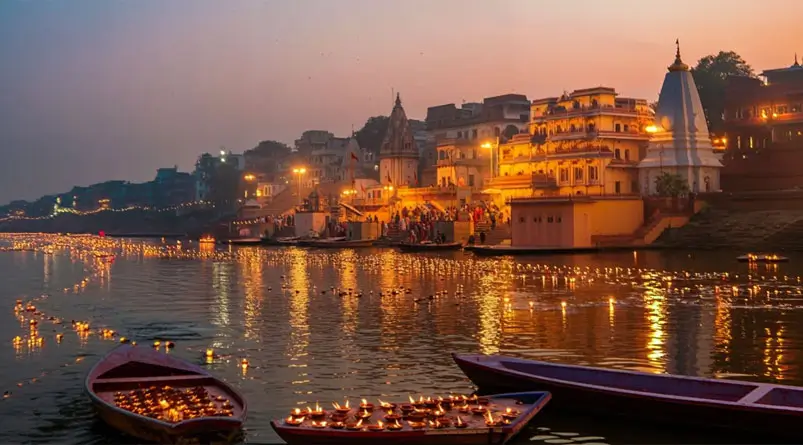
Early morning boat rides along the ghats reveal priests performing rituals, devotees offering prayers, and the rising sun reflecting on temple spires. Participating in Ganga aarti in the evening creates a powerful spiritual atmosphere that differs entirely from Pushkar’s quiet serenity.
Navigating Varanasi requires patience. Narrow lanes and controlled traffic zones make a private car with driver in Varanasi highly valuable for structured drop-offs near accessible points. Walking becomes inevitable in certain areas, but having a vehicle waiting at designated parking zones reduces stress.
Spending two nights in Varanasi allows pilgrims to visit Kashi Vishwanath Temple, Annapurna Temple, and nearby Sarnath. Proper scheduling ensures darshan without unnecessary rush.
After immersing in Varanasi’s intense spiritual energy, the journey to Ayodhya introduces a devotional shift centered on Lord Ram. The road distance between Varanasi and Ayodhya is manageable within a comfortable day drive, especially when managed by an experienced private driver for Ayodhya pilgrimage.
Unlike Varanasi’s complex lane system, Ayodhya offers more structured temple zones and riverfront access. Planning arrival during daylight hours simplifies hotel check-in and darshan coordination.
This transition stage offers an opportunity for reflection on the journey so far. Pilgrims often discuss rituals completed in Varanasi before entering Ayodhya’s devotional atmosphere.
Maintaining the same vehicle across cities ensures continuity and familiarity.
Ayodhya’s spiritual importance centers around temple darshan and ritual offerings. Early morning visits minimize crowd exposure and enhance devotional focus. Participating in aarti ceremonies and offering prasad completes the pilgrimage circle.
Booking prasad through authorized counters ensures authenticity. Pilgrims may also visit secondary temples such as Hanuman Garhi and Kanak Bhawan to deepen their experience.
Having a dedicated pilgrimage car service simplifies movement between temple complexes and accommodation, especially for elders.
Spending a full day in Ayodhya allows spiritual closure rather than rushed departure.
Combining three sacred cities requires detailed logistical planning. Accommodation should be selected near temple zones to reduce daily commute. Rest days must be incorporated between long driving segments.
Packing should remain light but organized. Carrying necessary ritual items without overloading luggage ensures easier vehicle management.
Choosing a comfortable vehicle type, whether SUV or Tempo Traveller rental for pilgrimage groups, depends on group size and luggage volume.
Structured planning prevents fatigue from overshadowing spiritual intention.
Travel through heritage cities, temples, and local experiences with complete freedom and comfort.
Customize Your Trip Talk to PlannerExtended road journeys demand attention to hydration, posture, and rest. Carrying neck pillows, light blankets, and healthy snacks enhances comfort.
Elderly pilgrims benefit from scheduled rest breaks and slower walking pace.
Maintaining physical comfort preserves emotional energy for temple rituals.
Spiritual travel should uplift rather than exhaust participants.
Each city within this circuit maintains unique customs and temple protocols. Respecting dress codes, photography restrictions, and queue discipline ensures smooth participation.
Following local guidelines reflects devotion and responsibility.
Maintaining respectful behavior strengthens the spiritual integrity of the journey.
Budget considerations include accommodation, temple offerings, transport, meals, and incidental expenses. Hiring a private car with driver for North India spiritual circuit consolidates transport budgeting into one structured plan.
Shared vehicle cost across group members often proves economical compared to separate transport bookings.
Transparent cost planning prevents unexpected financial strain.
Completing Pushkar, Varanasi, and Ayodhya within one continuous journey creates a narrative arc of devotion. Beginning with creation symbolism in Pushkar, reaching liberation symbolism in Varanasi, and concluding with divine birth symbolism in Ayodhya builds layered spiritual meaning.
Traveling by private car allows pilgrims to internalize this progression at their own pace.
The journey itself becomes part of the prayer.