
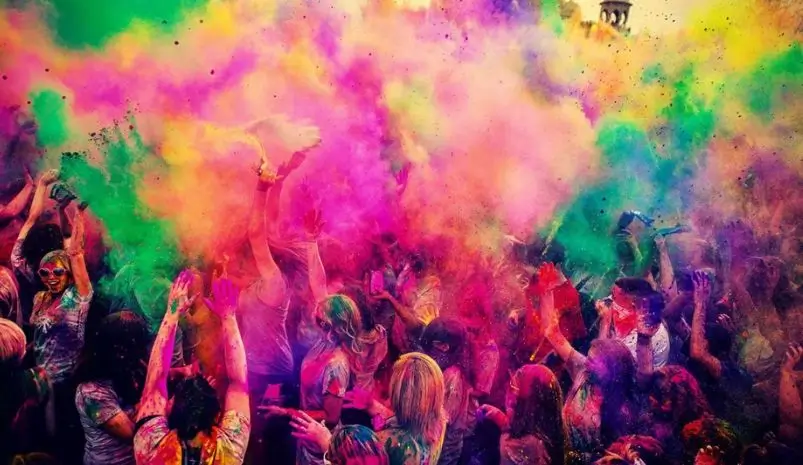
March marks the transition from Rajasthan's cool winter season to the beginning of warmer spring days. The weather remains pleasant enough for sightseeing across most destinations, while the state becomes even more colourful as Holi, India's famous festival of colours, brings streets, palaces and public squares to life. For many international travellers, March offers an opportunity to combine Rajasthan's royal heritage with one of the country's most vibrant cultural celebrations.
Unlike the peak winter months, March generally sees slightly fewer visitors at major attractions, allowing a more relaxed sightseeing experience in cities such as Jaipur, Jodhpur, Udaipur, Jaisalmer and Pushkar. Days become warmer, but mornings and evenings remain comfortable enough for walking tours, rooftop dining and outdoor cultural programmes.
The biggest attraction during March is undoubtedly Holi. Every city celebrates the festival differently, creating unique experiences for visitors. Some destinations organise royal celebrations within palace grounds, while others focus on traditional community gatherings, music, dance and cultural performances. Choosing the right city depends on the type of atmosphere you wish to experience.
Beyond Holi, March continues to be an excellent month for exploring Rajasthan's forts, lakes, wildlife reserves and heritage hotels. Desert safaris remain enjoyable, road journeys are comfortable and the longer daylight hours provide additional time for sightseeing.
Whether you are travelling with family, friends or as a couple, Rajasthan in March offers a combination of history, local traditions and seasonal celebrations that create an unforgettable holiday across the state's diverse landscapes.
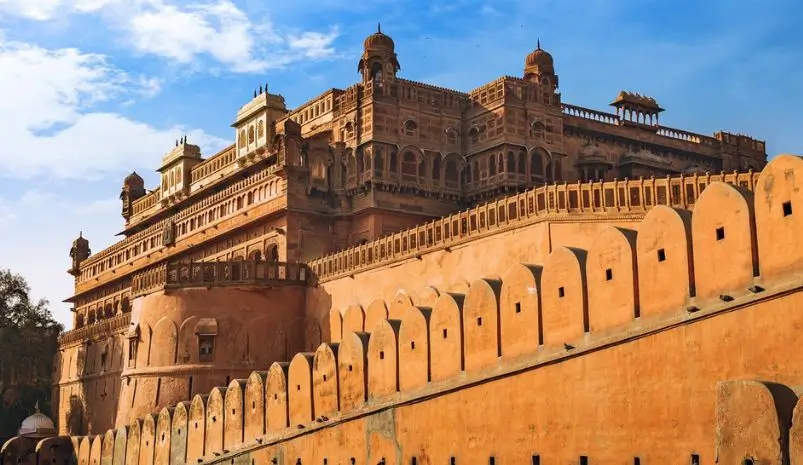
The climate changes gradually throughout March, making it one of the last comfortable months before Rajasthan's summer temperatures become more noticeable. Daytime conditions remain suitable for sightseeing, while mornings continue to offer pleasant weather for outdoor activities.
Average daytime temperatures generally range between 28°C and 34°C, depending on the destination. Desert cities such as Jaisalmer and Bikaner often feel warmer during the afternoon, while places such as Mount Abu remain comparatively cooler because of their higher elevation. Night temperatures usually stay between 15°C and 20°C, allowing comfortable evenings throughout much of the state.
Clear skies continue to dominate during March, making it an excellent month for photography. Historic monuments such as Amber Fort, Mehrangarh Fort, Jaisalmer Fort and City Palace Udaipur appear especially striking under the bright spring sunlight. Visitors planning sunrise or sunset photography will enjoy long daylight hours and excellent visibility.
Wildlife safaris also remain popular during March. As temperatures gradually increase, animals become more active around water sources, offering rewarding experiences inside Ranthambore National Park and Sariska Tiger Reserve. Morning safaris are generally the most comfortable option during the second half of the month.
Travellers should carry lightweight clothing for daytime sightseeing while keeping a light outer layer for early morning departures or evening cultural events. Staying hydrated becomes increasingly important as temperatures rise towards the end of the month.
Imagine celebrating India's festival of colours inside a royal heritage setting, among traditional music and dance, or surrounded by the lively energy of Pushkar's streets.
.webp)
For visitors seeking a well-organised and culturally rich Holi experience, Jaipur remains one of the best destinations in Rajasthan. The Pink City combines royal heritage with traditional celebrations, creating an atmosphere that appeals to both domestic and international travellers.
Many heritage hotels organise private Holi events featuring Ghoomar performances, Kalbeliya dance, folk music and traditional Rajasthani cuisine. These celebrations provide a comfortable environment where visitors can experience the festival while enjoying organised cultural programmes.
Public celebrations also take place across Jaipur, particularly around local neighbourhoods and marketplaces. Colourful powders, music and festive gatherings create a lively atmosphere throughout the city. Visitors who prefer participating in community celebrations should wear simple clothing and keep cameras and mobile phones protected from coloured powders.
Apart from Holi, Jaipur offers a full schedule of sightseeing opportunities. Visitors can explore Amber Fort, City Palace, Hawa Mahal, Jantar Mantar, Albert Hall Museum and the city's traditional bazaars before or after the festival celebrations.
Because March remains part of the popular travel season, booking accommodation well in advance is recommended. Heritage hotels are particularly popular during Holi, as many organise exclusive celebrations for their guests.
Both Jodhpur and Pushkar offer memorable Holi celebrations, yet the atmosphere in each destination is very different.
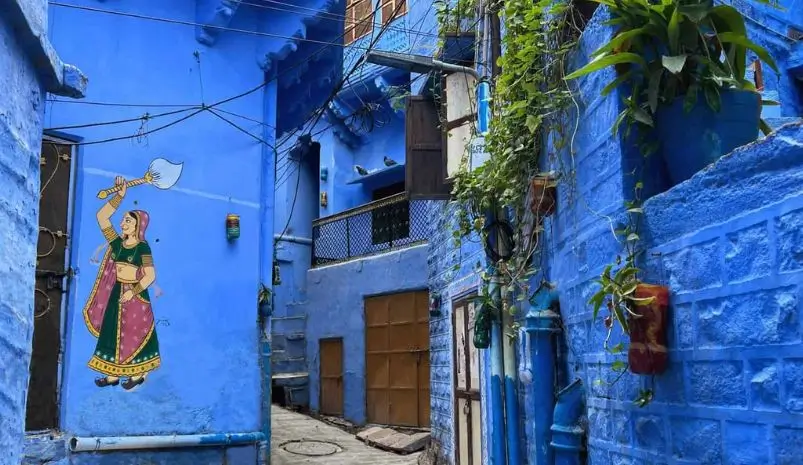
Jodhpur combines royal history with energetic community celebrations. Visitors often enjoy Holi events organised by heritage hotels, followed by sightseeing at Mehrangarh Fort, Jaswant Thada and the famous Blue City. The celebrations here balance cultural performances with local traditions, making Jodhpur an excellent choice for travellers who wish to combine heritage tourism with the festival.
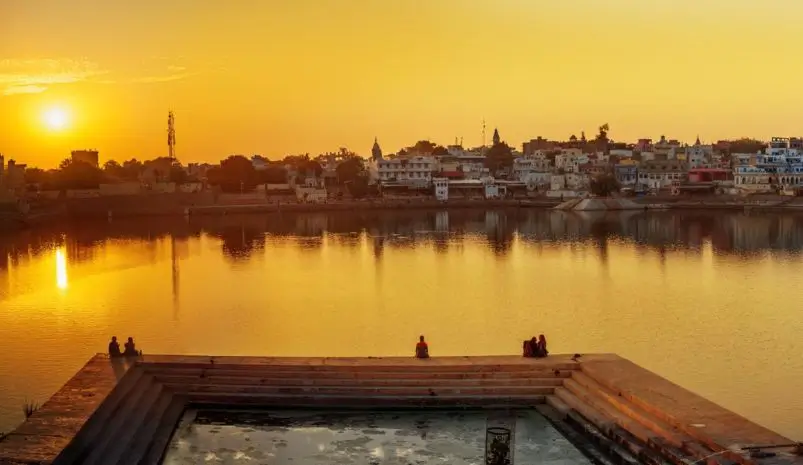
Pushkar, by contrast, is known for its lively and youthful atmosphere during Holi. Streets around Pushkar Lake become filled with music, colours and festive gatherings where travellers from around the world celebrate together. The atmosphere is energetic, social and considerably more informal than many other destinations.
For visitors seeking a quieter and more organised experience, Jodhpur is often the preferred option. Those looking for a vibrant festival environment with international travellers frequently choose Pushkar.
Whichever destination you select, it is advisable to use natural, skin-friendly colours, protect electronic devices and follow local customs respectfully. Participating responsibly ensures that Holi remains an enjoyable cultural experience for everyone involved.
Although Holi is the highlight of March, the entire state remains an excellent destination for sightseeing. The weather is still comfortable enough to spend long hours outdoors, making it possible to visit forts, palaces, wildlife reserves, lakes and desert landscapes within the same journey.
Udaipur is one of the most enjoyable cities during March. Pleasant mornings are perfect for exploring the City Palace, while evenings can be spent on a boat ride across Lake Pichola or walking through the old city. Rooftop restaurants overlooking the lake become especially attractive after sunset when temperatures begin to cool.
Jaisalmer also remains a rewarding destination before the arrival of the intense summer season. Visitors can comfortably explore Jaisalmer Fort, Patwon Ki Haveli, Gadisar Lake and the narrow lanes inside the old city. Evening camel safaris and overnight stays in luxury desert camps continue to be popular because nights remain comfortable.
For wildlife enthusiasts, Ranthambore National Park and Sariska Tiger Reserve are excellent choices during March. As temperatures gradually increase, animals are often seen near water sources, making wildlife observation particularly rewarding during early morning safari sessions.
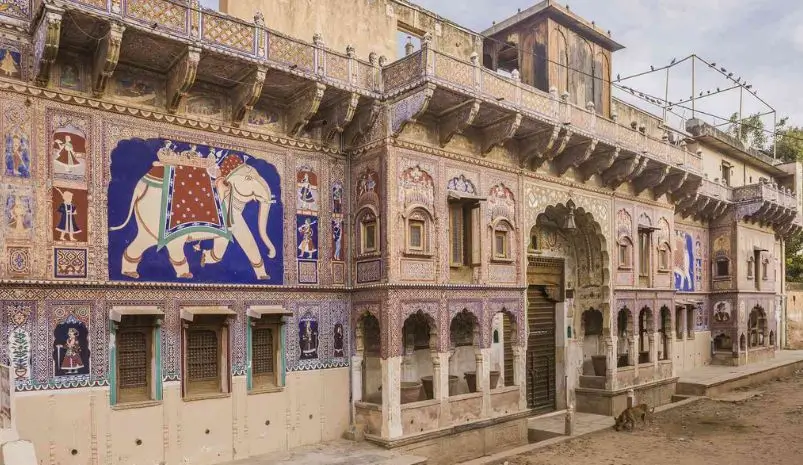
Travellers interested in architecture can include the Shekhawati Region, where towns such as Mandawa, Nawalgarh and Fatehpur display beautifully painted havelis without the large crowds found in Rajasthan's more famous cities.
Those seeking a cooler climate can spend time in Mount Abu, where scenic viewpoints, Nakki Lake and peaceful surroundings provide a refreshing contrast to the desert landscapes across the rest of the state.
Holi in Rajasthan is never the same twice—and choosing the right city can completely transform your experience.
A little preparation helps visitors enjoy Rajasthan in March more comfortably. Since temperatures become warmer as the month progresses, lightweight cotton clothing is the most practical choice for daytime sightseeing. Comfortable walking shoes are equally important because exploring forts, palaces and old city streets often involves several hours of walking.
Visitors planning to celebrate Holi should carry clothes that can easily be washed or replaced after the festival. Using sunglasses during colour celebrations also helps protect the eyes, while keeping cameras and mobile phones inside waterproof protective covers prevents damage from coloured powders and water.
Drinking enough water throughout the day becomes increasingly important during March. Carrying a reusable water bottle while visiting attractions such as Amber Fort, Mehrangarh Fort or Jaisalmer Fort helps visitors remain comfortable during long sightseeing sessions.
Accommodation should be booked well in advance if travel coincides with Holi celebrations, particularly in destinations such as Jaipur, Pushkar and Jodhpur. Heritage hotels, boutique properties and desert camps often experience high demand during the festival period.
Travellers planning wildlife safaris should reserve permits early because Ranthambore National Park and Sariska Tiger Reserve continue to attract significant visitor numbers during March. Morning safari sessions generally provide the most comfortable temperatures and excellent opportunities for photography.
Respecting local customs during Holi is equally important. Many visitors enjoy joining organised celebrations hosted by hotels or cultural venues, where the atmosphere is friendly, safe and suitable for international travellers.
March offers enough pleasant weather to comfortably explore several regions of Rajasthan within one journey. Many travellers begin in Jaipur, spending two or three days visiting Amber Fort, City Palace, Hawa Mahal, local markets and participating in organised Holi celebrations if their travel dates coincide with the festival.
From Jaipur, the journey often continues to Pushkar or Jodhpur, depending on the type of Holi experience preferred. Pushkar attracts visitors seeking lively community celebrations, while Jodhpur combines heritage sightseeing with traditional cultural programmes.
After Holi, many travellers continue towards Jaisalmer, where the golden fort, historic havelis and luxury desert camps create an unforgettable desert experience. Those with additional time frequently include Udaipur, enjoying lakeside scenery, royal palaces and relaxed evenings before completing their Rajasthan tour.
Wildlife enthusiasts often extend the itinerary with Ranthambore National Park or Sariska Tiger Reserve, while photography lovers may add the Shekhawati Region to capture Rajasthan's famous painted havelis.
A journey lasting 8 to 10 days allows visitors to experience festivals, heritage architecture, wildlife and desert landscapes without rushing between destinations.
Travelling across Rajasthan in March becomes much easier with a private chauffeur-driven vehicle, especially during the busy Holi festival period when transportation demand increases throughout the state.
Rajasthan Tour Taxi offers customised tours covering Jaipur, Pushkar, Jodhpur, Jaisalmer, Udaipur, Mount Abu, Ranthambore National Park, Sariska Tiger Reserve and many other destinations across Rajasthan.
With Mr. Shakeer and his experienced team, travellers enjoy comfortable vehicles, professional drivers and flexible itineraries designed around individual interests. Whether your holiday focuses on Holi celebrations, photography, wildlife, heritage hotels or luxury desert camps, every journey can be personalised according to your schedule.
Private transportation also allows visitors to stop at scenic villages, local markets and roadside viewpoints while travelling between Rajasthan's major cities, creating a more relaxed and enjoyable road trip.
Our travel Faqs is your ultimate guide to exploring the top destinations in Rajasthan. From insider tips to comprehensive guides, we have everything you need to plan your trip with ease and convenience.
Yes. March offers pleasant weather, fewer crowds than peak winter and the opportunity to experience the colourful Holi festival.
Jaipur, Jodhpur and Pushkar all offer memorable celebrations, each with a different atmosphere and style.
Pushkar is known for energetic public celebrations, while Jodhpur offers a more balanced experience combining heritage sightseeing with organised cultural events.
Daytime temperatures generally range between 28°C and 34°C, while evenings remain comfortable for sightseeing and outdoor dining.
Yes. March is still a very good time for visiting Jaisalmer, enjoying desert camps and exploring the city's historic attractions.
Yes. Ranthambore National Park and Sariska Tiger Reserve continue operating safari sessions during March.
Light cotton clothing, comfortable walking shoes, sunglasses and sunscreen are recommended. Carry old clothes if planning to participate in Holi.
Yes. Accommodation in Jaipur, Pushkar and Jodhpur often fills quickly during the Holi festival period.
A journey of 8 to 10 days provides enough time to enjoy Holi celebrations along with Rajasthan's major attractions.
Rajasthan Tour Taxi provides private chauffeur-driven tours with customised itineraries, allowing visitors to comfortably experience Holi celebrations, heritage cities, wildlife parks and desert destinations across Rajasthan.