
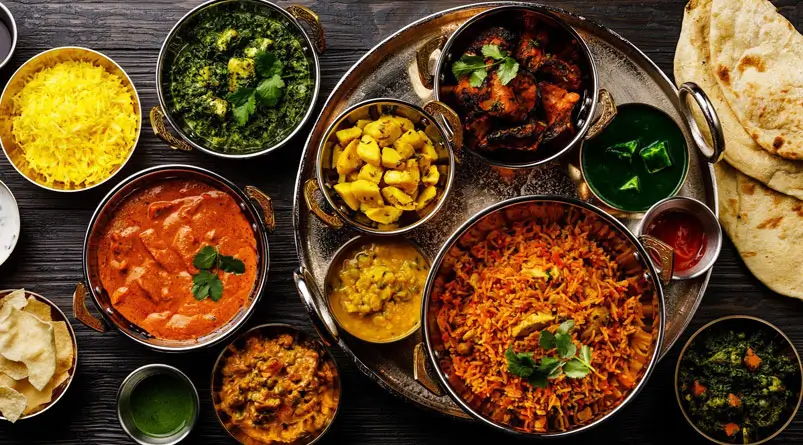
Food has always been one of the most powerful ways to understand India. Across regions, recipes carry stories of migration, royalty, trade, and daily life. The Golden Triangle route connecting Delhi, Agra, and Jaipur offers one of the most complete culinary journeys in the country, allowing travelers to taste how history, geography, and culture shape the Indian plate. A Golden Triangle food tour is not simply about eating well; it is about understanding India through its kitchens, streets, and dining traditions.
For travelers who wish to experience India beyond monuments, food becomes a bridge between observer and participant. The Golden Triangle cities each represent a distinct culinary identity. Together, they reveal how flavors evolve across regions while remaining connected through shared heritage.
Delhi, Agra, and Jaipur sit at the crossroads of historical empires, trade routes, and cultural exchange. Over centuries, these cities absorbed influences from Central Asia, Persia, Rajasthan, and the Gangetic plains. The result is a culinary landscape layered with royal recipes, street food traditions, and regional home cooking.
A Golden Triangle culinary tour allows travelers to experience this progression naturally. Beginning in Delhi’s diverse food culture, moving through Agra’s Mughal-influenced flavors, and ending in Jaipur’s royal Rajasthani cuisine creates a narrative that unfolds through taste.
Taste the authentic cuisines of Delhi, Agra and Jaipur on a specially curated Golden Triangle Food Tour. From famous street food to royal recipes, enjoy guided culinary experiences with comfortable private travel throughout the journey.
Delhi’s food culture reflects its role as India’s capital across multiple dynasties. Each era left behind culinary traditions that coexist today. Mughal kitchens introduced rich gravies and slow-cooked meats. Punjabi migrants added robust flavors and tandoor cooking. Street vendors adapted recipes for everyday consumption.
For food travelers, Delhi offers an unmatched range of experiences. From historic neighborhoods to modern dining spaces, the city’s food scene reflects India’s layered identity. A Delhi food tour reveals how tradition and innovation coexist within the same streets.
Old Delhi remains the heart of the city’s culinary heritage. Narrow lanes house generations-old eateries where recipes are preserved rather than reinvented. The influence of Mughal cooking is evident in the use of spices, slow cooking techniques, and balance of flavors.
Exploring Old Delhi’s food culture requires patience and curiosity. Observing preparation methods, understanding spice combinations, and tasting dishes in their original setting offers insight into how royal cuisine adapted to everyday life.
Beyond royal kitchens, Delhi’s street food reflects the city’s dynamic population. Vendors serve dishes designed to be quick, affordable, and deeply flavorful. These foods are not accidents of convenience but expressions of urban life shaped by time constraints and cultural mixing.
For travelers, engaging with Delhi’s street food culture offers an unfiltered view of daily life. Hygiene-conscious food tours guide visitors safely through these experiences, ensuring comfort alongside authenticity.
The journey from Delhi to Agra mirrors a shift in culinary emphasis. While Delhi celebrates diversity, Agra’s food culture reflects refinement shaped by Mughal aesthetics. Traveling between the two cities allows travelers to experience how cuisine adapts to geography and courtly influence.
A Golden Triangle food journey treats travel days as part of the experience, not interruptions. Observing landscape changes enhances appreciation of how ingredients and techniques evolve.
Agra is globally recognized for the Taj Mahal, but its food culture remains underexplored. The city’s culinary identity is deeply tied to Mughal patronage, emphasizing balance, subtlety, and texture. Dishes often focus on aromatic spices rather than heat, reflecting royal dining preferences.
For travelers, Agra offers a quieter food scene that rewards attention. Meals here encourage slow tasting and conversation, aligning naturally with the city’s reflective atmosphere.
Agra’s sweet-making tradition reflects its historical role as a royal city. Desserts are crafted with care, emphasizing texture and aroma. These sweets are not merely confections but cultural artifacts passed down through generations.
Understanding Agra’s sweet culture offers insight into how food marked celebration, ritual, and hospitality within royal households.
Agra’s local eateries reflect the city’s pace of life. Meals are unhurried, and dining spaces often serve as social centers. Travelers who engage with these environments gain insight into daily routines shaped by tradition.
A food-focused Agra visit complements monument exploration by grounding experience in everyday culture.
Jaipur introduces travelers to a culinary tradition shaped by scarcity, ingenuity, and royal patronage. Rajasthani cuisine developed in an arid environment, leading to preservation techniques and spice usage designed to enhance longevity and flavor.
Royal kitchens refined these practices, transforming necessity into art. A Jaipur food tour reveals how these traditions continue to influence modern dining.
Rajasthani cuisine emphasizes bold flavors, balanced spices, and innovative use of limited ingredients. Dishes reflect a deep understanding of environment and resource management.
For food travelers, learning about these techniques adds intellectual depth to the tasting experience. Understanding why dishes developed enhances appreciation beyond flavor alone.
The Rajasthani thali represents hospitality as a cultural value. Served as a complete meal, it reflects abundance and care. Each component carries meaning, offering balance across taste and nutrition.
Experiencing a traditional thali in Jaipur allows travelers to engage with Rajasthani dining philosophy, where food is both sustenance and social expression.
Jaipur’s markets offer a different street food experience from Delhi. The city’s planned layout supports organized market spaces where food stalls operate within cultural rhythms.
Street snacks here often reflect local preferences and seasonal ingredients. For travelers, these markets provide insight into Jaipur’s daily life and culinary priorities.
One of Jaipur’s culinary strengths lies in its ability to blend royal and everyday traditions. Recipes once reserved for palaces now appear in homes and restaurants, preserving heritage through accessibility.
This blending reflects Rajasthan’s broader cultural dynamic, where history remains part of daily life rather than isolated in museums.
A structured Golden Triangle food tour does more than guide travelers to eateries. It interprets history, geography, and social structure through food. Guides explain ingredient choices, preparation methods, and cultural symbolism.
This interpretive layer transforms eating into learning, particularly valuable for international travelers seeking depth.
Understanding dining etiquette enhances food travel. From shared meals to traditional serving styles, etiquette reflects values of respect and community.
Food tours often include guidance on these practices, allowing travelers to engage respectfully and confidently.
Experience the true taste of Delhi, Agra and Jaipur with our expertly planned Golden Triangle Food Tour. Enjoy authentic dishes, guided food walks and smooth private transportation for a memorable culinary journey.
Food travel requires thoughtful planning to balance authenticity with comfort. Guided food tours prioritize hygiene, ingredient quality, and pacing to ensure well-being.
This approach allows travelers to enjoy local cuisine without anxiety, preserving the pleasure of discovery.
For first-time visitors to India, the Golden Triangle offers an accessible introduction to Indian cuisine. The progression of flavors allows gradual acclimatization rather than overwhelming exposure.
This balance makes Golden Triangle food tours particularly suitable for travelers seeking cultural immersion without discomfort.
Food experiences often leave the strongest memories. Tastes, aromas, and shared meals become emotional anchors of travel.
A culinary journey through Delhi, Agra, and Jaipur allows travelers to carry India with them long after the journey ends.
Culinary travel reshapes perception. It encourages empathy, curiosity, and respect for cultural difference. Through food, travelers connect with people rather than places alone.
The Golden Triangle food tour offers this transformation through one of India’s most culturally rich routes.