
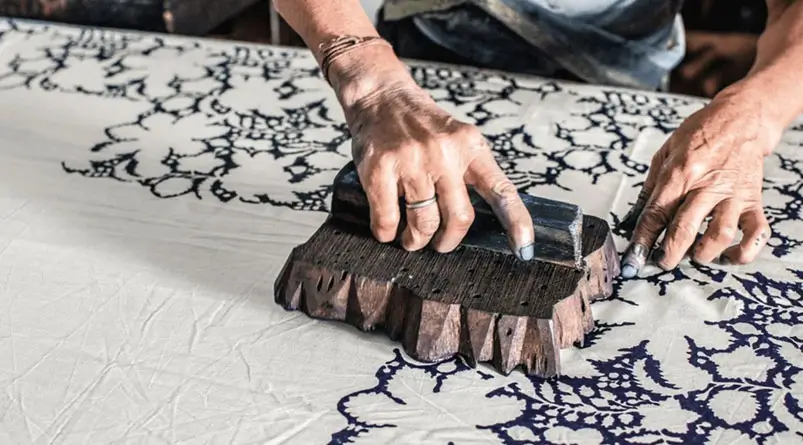
Jaipur is often introduced to travelers through its forts, palaces, and royal avenues, but the city’s true cultural depth lives quietly in its craft traditions. Among these, hand block printing stands as one of the most enduring and globally admired art forms. Practiced for centuries and preserved through generations of artisans, hand block printing in Jaipur represents a living heritage that continues to shape the city’s identity.
For travelers seeking more than visual sightseeing, visiting hand block printing workshops in Bagru and Sanganer offers an intimate connection to Rajasthan’s creative soul. These villages, located on the outskirts of Jaipur, remain active centers of textile production where tradition, skill, and community intersect.
Textiles have always played a central role in Rajasthan’s culture. In a region shaped by climate extremes and royal patronage, fabric became both functional and expressive. Hand block printing evolved as a way to decorate textiles using natural dyes, carved wooden blocks, and intricate repetition.
Jaipur’s proximity to Bagru and Sanganer allowed royal courts to support and refine these techniques, transforming utilitarian fabric into art. Over time, the craft moved beyond palace walls into households, trade routes, and eventually global markets.
Today, Jaipur hand block printing workshops continue to preserve this lineage, offering visitors a chance to witness craftsmanship that remains remarkably unchanged despite modern pressures.
Discover Jaipur’s centuries-old hand block printing tradition with a guided cultural experience. Visit artisan workshops, understand natural dyes, and enjoy a comfortable private car with an expert driver.
Bagru is known for its earthy tones, bold patterns, and use of natural dyes derived from plants, minerals, and traditional processes. The aesthetic reflects the village’s close relationship with nature and rural life.
Bagru printing developed as a practical art form, producing textiles suitable for daily use while maintaining visual richness. Patterns often draw inspiration from flora, local symbols, and geometric balance, creating designs that feel grounded and timeless.
Visiting Bagru hand block printing workshops allows travelers to see how fabric passes through multiple stages, each requiring patience and precision. From washing and dye preparation to block alignment and drying, every step reflects collective knowledge passed through generations.
Bagru workshops are typically family-run spaces where artisans work together across generations. The atmosphere is unpretentious, focused on process rather than display. Visitors often notice the rhythm of work, marked by repeated stamping motions and careful dye application.
Observing this environment offers insight into how craft traditions survive through shared responsibility and community continuity. For travelers, this experience provides context that no museum exhibit can replicate.
Sanganer represents a different expression of hand block printing. Known for finer lines, floral motifs, and lighter color palettes, Sanganer printing reflects a more delicate aesthetic historically favored by royal and urban patrons.
Sanganer’s proximity to Jaipur allowed its textiles to serve ceremonial, decorative, and luxury purposes. Fabrics produced here often adorned garments, home décor, and courtly settings.
Exploring Sanganer hand block printing workshops introduces visitors to techniques that emphasize precision, symmetry, and visual refinement. The contrast between Bagru and Sanganer highlights the diversity within Jaipur’s textile heritage.
While both traditions rely on wooden blocks and natural dyes, their philosophies differ. Bagru focuses on depth and earthiness, often using darker tones and bold repetition. Sanganer emphasizes elegance, employing lighter shades and intricate detailing.
Understanding this distinction helps travelers appreciate how geography, patronage, and social context influence artistic expression. Visiting both regions offers a complete picture of hand block printing in Jaipur.
Hand block printing is labor-intensive and methodical. Fabric preparation begins with washing and bleaching to ensure dye absorption. Blocks carved from seasoned wood are dipped in dye and pressed onto fabric with precise alignment.
Each color requires a separate block, and multi-colored designs demand careful sequencing. Drying and fixing processes follow, ensuring durability and colorfastness.
Witnessing this process in person allows travelers to understand the skill involved. What appears visually simple often represents hours of coordinated effort and experience.
One of the most compelling aspects of Jaipur’s block printing tradition is its reliance on natural dyes. Derived from plants, flowers, and minerals, these dyes reflect sustainable practices developed long before modern environmental concerns.
Natural dyeing requires knowledge of seasons, proportions, and chemical reactions. Artisans understand how weather and water quality affect results, adjusting techniques accordingly.
For eco-conscious travelers, hand block printing workshops in Jaipur offer insight into sustainable craft practices rooted in tradition rather than trend.
Many workshops welcome visitors to participate in hands-on sessions. Travelers can try block printing under artisan guidance, gaining appreciation for the precision required.
These interactive experiences transform observation into participation. For many visitors, printing a small piece of fabric becomes a meaningful souvenir representing cultural engagement rather than consumption.
Unlike retail-focused experiences, genuine workshops prioritize demonstration over sales. Visitors observe artisans working on real orders rather than staged activities.
This authenticity allows travelers to understand block printing as a livelihood rather than a performance. Engaging respectfully with artisans fosters mutual appreciation.
Patterns used in block printing often carry symbolic meaning. Motifs reflect nature, spirituality, and regional identity. Repetition creates rhythm, mirroring patterns found in architecture and daily life.
Understanding these visual languages enriches the travel experience. Textiles become storytellers, connecting visitors to Rajasthan’s cultural fabric beyond surface aesthetics.
Jaipur’s hand block printed textiles have influenced global fashion and interior design. Designers worldwide draw inspiration from these patterns, adapting them into contemporary contexts.
Visiting workshops allows travelers to see the origins of designs often encountered abroad, deepening appreciation for their cultural roots.
Foreign travelers increasingly seek experiences that offer cultural immersion rather than passive observation. Craft workshops provide this engagement, allowing visitors to interact with living traditions.
Jaipur block printing workshops appeal to travelers interested in art, design, sustainability, and cultural exchange. These experiences add depth to Rajasthan itineraries.
Bagru and Sanganer are easily accessible from Jaipur by road. Visiting both regions can be planned within a day or spread across multiple visits for deeper engagement.
Private transport allows flexibility and comfort, particularly for travelers wishing to spend extended time observing workshops. Guided visits provide context and facilitate respectful interaction.
Step into traditional printing studios, meet skilled artisans and learn the heritage techniques behind Jaipur’s famous textiles. Travel comfortably with a private car and professional driver.
Visitors are encouraged to approach workshops with respect. Photography permissions, cultural sensitivity, and genuine interest enhance interaction.
Purchasing directly from artisans supports local livelihoods and preserves traditional practices. Thoughtful engagement ensures that tourism benefits communities sustainably.
For younger travelers and students, block printing workshops serve as living classrooms. Observing process, understanding materials, and interacting with artisans provide experiential learning.
This education fosters appreciation for craftsmanship and cultural heritage beyond textbooks.
Despite industrialization, hand block printing endures because it offers uniqueness, sustainability, and human connection. Each piece carries variation, reflecting the artisan’s hand rather than machine precision.
This relevance attracts travelers seeking authenticity in a globalized world.
Including Bagru and Sanganer workshops within Jaipur itineraries balances architectural sightseeing with cultural depth. Craft visits offer contrast and reflection, enriching overall travel experience.
For travelers spending multiple days in Jaipur, these workshops provide meaningful engagement beyond forts and palaces.
Witnessing artisans at work often leaves a lasting impression. The quiet focus, rhythmic stamping, and shared pride create moments of connection that resonate emotionally.
These encounters humanize travel, transforming destinations into relationships rather than locations.
Jaipur’s identity extends beyond royal monuments into creative traditions that sustain communities. Hand block printing represents resilience, artistry, and cultural continuity.
Experiencing this craft firsthand allows travelers to understand Jaipur as a living cultural center rather than a static heritage site.