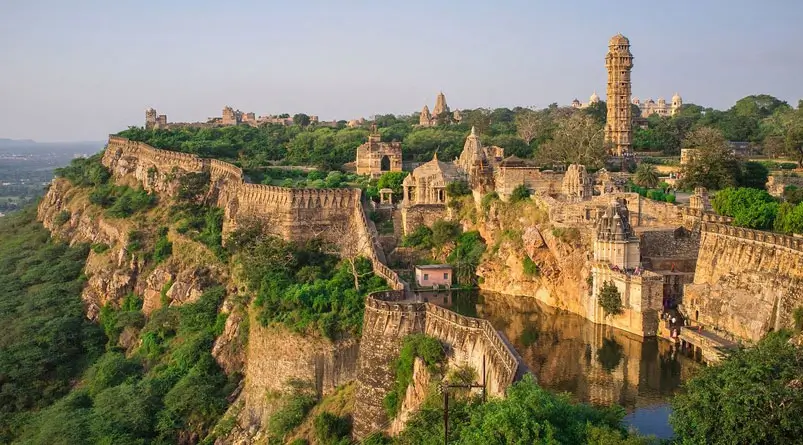
Rajasthan is not a destination that can be understood through highlights alone. It is a region where geography, history, and culture intertwine so deeply that each city carries its own identity, rhythm, and worldview. For travelers, especially those visiting from abroad, Rajasthan often represents the essence of India’s royal past, yet its true richness lies in the diversity of experiences spread across its cities and landscapes. A well-structured Rajasthan travel guide is essential to appreciate not just where to go, but why each place matters.
Unlike compact destinations, Rajasthan demands intentional planning. Distances are large, climates vary, and experiences shift dramatically from one city to another. Understanding the character of Rajasthan’s top cities allows travelers to design journeys that feel immersive rather than exhausting.
Rajasthan’s identity has been shaped by desert geography, warrior clans, trade routes, and royal patronage. Fortified cities emerged as centers of power, while towns developed artistic traditions supported by courts and merchants. Even today, daily life reflects these historical influences.
Traveling through Rajasthan is less about ticking monuments and more about sensing continuity. Architecture, clothing, music, and cuisine change gradually as one moves across regions. This makes city selection crucial for shaping the overall experience.
Discover the best places to visit, travel tips, and local experiences across Rajasthan. Travel comfortably with a private car and experienced driver for a truly hassle-free journey.
Jaipur often serves as the entry point for Rajasthan travel. Planned as a royal capital, the city reflects order, symmetry, and political vision. Its wide avenues, forts, and palaces provide clarity for first-time visitors.
For travelers new to Rajasthan, Jaipur offers orientation. Heritage sites are well-maintained, distances are manageable, and cultural experiences are accessible. Markets, museums, and architectural landmarks allow visitors to absorb Rajasthan’s identity without immediate complexity.
Jaipur’s significance lies not only in its monuments but in how it introduces the state’s royal narrative. It sets expectations while leaving room for deeper exploration elsewhere.
Jaipur’s forts and palaces reveal how power, aesthetics, and governance intersected. Old city markets demonstrate continuity of trade and craftsmanship. Together, these elements create a balanced introduction to Rajasthan.
Travelers often underestimate Jaipur by treating it as a short stop. In reality, the city rewards time and attention, offering layers that unfold gradually.
Udaipur represents a different emotional tone. Surrounded by lakes and hills, the city feels reflective and romantic. Its architecture blends seamlessly with the landscape, creating harmony rather than dominance.
For travelers, Udaipur offers contrast to Rajasthan’s desert cities. The pace slows, allowing appreciation of scenery, art, and quiet moments. Boat rides, heritage walks, and palace views encourage contemplation.
Udaipur appeals strongly to travelers seeking elegance and calm, making it a key city in any balanced Rajasthan itinerary.
Udaipur’s significance lies in how it integrates environment and culture. The city’s planning reflects respect for nature, while its artistic traditions highlight refinement rather than display.
This subtlety resonates with foreign travelers who seek emotional connection rather than spectacle.
Jodhpur introduces travelers to Rajasthan’s desert character. Dominated by a massive fort overlooking blue-painted houses, the city reflects resilience, strategy, and warrior ethos.
Walking through Jodhpur’s old city reveals daily life shaped by geography and history. Narrow lanes, local markets, and rooftop views offer insight into how communities adapted to harsh environments.
Jodhpur’s energy feels grounded and authentic, making it essential for travelers seeking depth rather than polish.
Jodhpur acts as a bridge between eastern Rajasthan’s order and western desert expanses. Its role as a former capital adds historical weight, while its living culture ensures relevance.
For many travelers, Jodhpur becomes a highlight due to its balance of monumentality and everyday life.
Jaisalmer rises from the desert like a vision shaped by survival and imagination. Built from golden sandstone, the city reflects how architecture adapts to extreme landscapes.
For travelers, Jaisalmer offers the most direct encounter with the Thar Desert. The city’s fort, still inhabited, provides a rare glimpse into living heritage.
Jaisalmer’s appeal lies in atmosphere rather than variety. Silence, open skies, and desert rhythms define the experience.
Jaisalmer is not a city to rush. Its significance unfolds through observation and patience. Travelers who approach it as a cultural environment rather than an attraction gain deeper appreciation.
Bikaner represents a lesser-known yet culturally rich side of Rajasthan. Located away from major tourist circuits, it offers authenticity and historical depth without crowds.
The city’s architecture, markets, and local traditions reflect northern Rajasthan’s identity. Bikaner suits travelers seeking quieter exploration and offbeat routes.
Including Bikaner in a Rajasthan journey broadens perspective beyond familiar icons.
Bikaner’s forts and old neighborhoods provide insight into trade routes and desert life. Its cultural pace feels unhurried, encouraging engagement rather than observation.
Pushkar introduces spiritual dimensions distinct from Rajasthan’s royal narrative. Centered around a sacred lake, the town attracts pilgrims and travelers seeking introspection.
For foreign visitors, Pushkar often feels approachable due to its compact size and relaxed atmosphere. Spiritual rituals coexist with daily life, offering insight into devotional traditions.
Pushkar adds balance to Rajasthan itineraries by shifting focus from power to belief.
Pushkar’s simplicity contrasts with grand palaces, offering a different form of cultural engagement. The town encourages slowing down and observing rather than consuming experiences.
Mount Abu stands apart geographically and culturally. As Rajasthan’s only hill station, it offers relief from desert heat and introduces a different landscape.
For travelers, Mount Abu provides visual and climatic contrast. Temples, forests, and viewpoints create a setting distinct from the rest of the state.
Including Mount Abu allows travelers to experience Rajasthan’s environmental diversity.
Beyond scenery, Mount Abu holds religious importance. Its temples reflect artistic traditions shaped by devotion rather than power.
This adds another layer to Rajasthan’s multifaceted identity.
Ranthambore introduces wildlife into Rajasthan travel narratives. The region’s forests and ruins create an environment where history and nature intersect.
For travelers, Ranthambore offers a break from urban exploration. Observing wildlife within historical landscapes provides a unique perspective on coexistence.
Including Ranthambore adds ecological depth to Rajasthan itineraries.
Wildlife destinations balance heritage-heavy routes, preventing fatigue and broadening experience. They remind travelers that Rajasthan’s identity includes natural resilience as much as human history.
Rajasthan’s size requires strategic routing. Grouping cities by region reduces travel time and preserves energy. Eastern Rajasthan differs significantly from western desert routes, and itineraries should reflect this.
Thoughtful sequencing transforms long distances into meaningful transitions rather than burdens.
Effective Rajasthan travel considers cultural flow as much as geography. Moving from Jaipur to Udaipur offers emotional contrast, while shifting from Jodhpur to Jaisalmer deepens desert immersion.
Understanding these flows enhances narrative continuity.
Rajasthan rewards travelers who allow time for absorption. Overpacked itineraries diminish experience. Each city deserves space to reveal its character.
Balanced pacing ensures that travel remains enriching rather than exhausting.
Get expert travel tips, city highlights, and route planning to explore Rajasthan with confidence. Enjoy private car services and professional drivers for a smooth and personalized travel experience.
Rajasthan’s stories are layered. Rushing through cities reduces them to visuals. Slow travel allows conversation, observation, and connection.
Foreign travelers who embrace slower pacing often report deeper satisfaction.
While forts and palaces define Rajasthan’s image, daily life, crafts, music, and rituals provide context. Engaging with local environments transforms sightseeing into understanding.
Markets, villages, and workshops reveal continuity between past and present.
Emotional connection emerges through repeated exposure rather than highlights. Spending time in fewer cities often creates stronger memories than rushing through many.
Rajasthan offers this depth to those willing to engage.
Foreign travelers return to Rajasthan because it offers coherence without uniformity. Each city feels distinct yet connected, creating a sense of discovery without disorientation.
This balance explains Rajasthan’s enduring appeal.
Rajasthan is not a single story but a collection of narratives shaped by geography, belief, and power. Its cities function as chapters rather than stops.
A well-planned Rajasthan travel guide allows travelers to read these chapters with understanding rather than haste.