
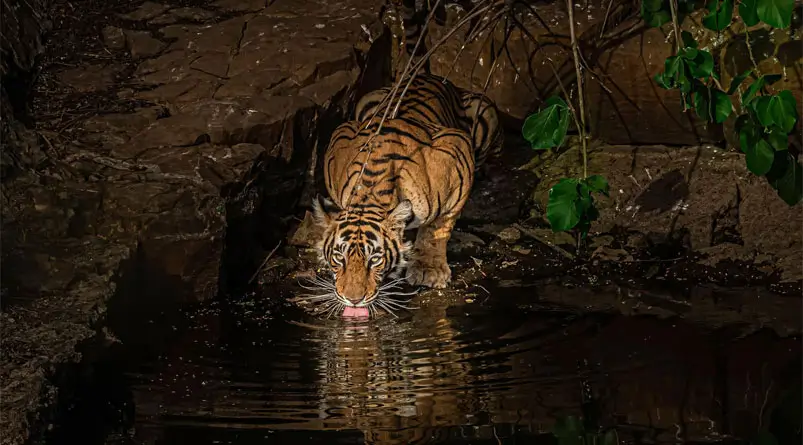
When most travelers plan a Ranthambore safari, their instinct is to aim for the core zones. Core areas have long carried the reputation of being the “main tiger territory,” and many assume that booking Zones 1 to 3 automatically increases sighting probability. However, wildlife behavior does not operate according to tourism branding. Over time, Ranthambore’s buffer zones 6 to 10 have developed strong tiger presence, often delivering calmer safari experiences with reduced vehicle congestion.
Buffer zones were initially introduced to distribute tourism pressure and protect core habitat integrity. Yet these zones have matured ecologically. Stable prey populations, expanding tiger territories, and reduced crowd density have made buffer safaris increasingly rewarding. For photographers and wildlife enthusiasts seeking less chaotic conditions, the so-called “quiet zones” sometimes provide stronger overall experience than heavily discussed core areas.
Understanding the structural differences between core and buffer regions helps travelers make realistic booking decisions during their Ranthambore safari tour by private car from Jaipur or Delhi. This guide explains terrain characteristics, tiger movement patterns, safari comfort factors, and strategic booking considerations within Zones 6 through 10.
Buffer zones were designed to act as protective extensions around the core forest region. Initially, these areas experienced lower tourist attention and slightly different habitat conditions. Over time, however, tiger dispersal patterns expanded beyond traditional core boundaries. Young tigers seeking independent territories frequently establish dominance within buffer landscapes.
Zones 6 to 10 now support stable prey bases including deer, wild boar, and smaller mammals. These prey populations sustain predator presence. Unlike earlier perceptions that buffer zones lacked wildlife density, recent years have demonstrated consistent tiger activity within these areas.
Vegetation structure in buffer zones often includes mixed scrubland, undulating terrain, and scattered water sources. Such landscapes create varied sighting opportunities. Because tourism pressure remains comparatively lighter than in core zones, animal behavior may appear less disturbed.
The ecological maturity of buffer zones challenges the outdated assumption that only core zones offer meaningful sightings. For informed travelers, buffer safaris represent serious alternatives rather than backup options.
Compare core and buffer zones to find the perfect balance of wildlife, comfort, and exploration.
Customize Your Trip Talk to PlannerOne of the most significant advantages of buffer zones lies in reduced vehicle congestion. Core zones frequently attract high booking demand due to reputation alone. When a tiger sighting occurs in a popular core zone, multiple vehicles may converge quickly, creating noise and movement that can disturb both wildlife and photographers.
In contrast, buffer zones typically operate with fewer vehicles per safari slot. Lower crowd density translates into calmer observation environments. Photographers benefit from fewer obstructions, and wildlife encounters may unfold more naturally without excessive engine noise.
The experience difference becomes particularly noticeable during peak travel seasons. While core zones can feel competitive, buffer zones often retain a slower, more immersive pace.
Travelers booking a private jeep safari in Ranthambore buffer zones frequently appreciate the quieter atmosphere, especially when traveling with children or elderly family members who prefer less chaotic surroundings.
Each buffer zone carries unique terrain characteristics that influence safari dynamics. Some zones feature open landscapes with gentle slopes, offering clear lines of sight for spotting distant movement. Others include denser vegetation patches where tigers use shaded corridors for resting.
Water availability varies seasonally. During warmer months, animals gather near stable water bodies, increasing encounter probability in certain buffer sections. Photographers often capture striking images when tigers approach water edges against natural backdrops.
Unlike the historic ruins frequently seen in core zones, buffer areas present more untouched wilderness aesthetics. For travelers seeking raw forest compositions rather than architectural framing, buffer zones offer distinctive visual appeal.
Understanding terrain differences allows safari participants to adjust lens choices and photography strategy accordingly.
Tiger movement patterns respond to territorial competition, prey availability, and seasonal changes. Young dispersing tigers often establish dominance within buffer zones before attempting expansion into core territories. This dynamic results in active territorial marking and movement within zones 6 to 10.
Because buffer zones may experience lower tourism disturbance, tigers occasionally display relaxed behavioral patterns. While no safari guarantees sightings, stable territorial presence increases encounter potential.
Guides operating within buffer zones rely on alarm calls from prey species and track fresh pugmarks to anticipate movement. Real-time interpretation remains critical regardless of zone type.
The misconception that buffer zones lack consistent tiger presence has gradually faded as sighting records demonstrate regular activity.
Wildlife photography thrives in calm conditions. Reduced vehicle crowding in buffer zones allows photographers to position lenses without obstruction from multiple safari vehicles lining the same track.
Open scrub sections create opportunities for environmental compositions showcasing tigers within broader landscapes. Denser patches, meanwhile, offer intimate portraits when visibility permits.
Lighting conditions vary by time of day. Early morning safaris often produce soft golden tones across rolling terrain, while late afternoon drives may yield dramatic shadow play.
Photographers seeking exclusive framing opportunities frequently favor private jeep safari bookings in buffer zones to maximize maneuverability and minimize disturbance.
Buffer zones may lack iconic architectural ruins, but they compensate through wilderness authenticity.
Buffer zone safaris often maintain similar pricing structures to core zones under official regulations. However, availability may be slightly more flexible due to comparatively lower demand.
Travelers planning a Ranthambore wildlife tour from Jaipur by private driver should consider buffer options when core slots appear limited. Rather than postponing safari plans due to zone preference, selecting buffer areas may provide equally satisfying outcomes.
Flexibility in zone selection improves booking success rates, especially during busy travel periods.
Cost efficiency combined with experiential quality strengthens buffer appeal.
Learn which zones offer better tiger sightings and which provide a quieter, scenic experience.
Customize Your Trip Talk to PlannerTourism narratives often reinforce the idea that core zones are superior simply because they were historically associated with famous tiger sightings. This psychological bias influences booking behavior even when empirical data no longer supports a clear hierarchy.
Buffer zones have matured alongside core areas. Tiger distribution fluctuates across the entire landscape rather than remaining confined to specific tourism-designated boundaries.
Understanding this bias allows travelers to approach safari planning objectively rather than emotionally.
Making decisions based on habitat diversity and crowd comfort yields more balanced expectations.
Travelers spending multiple days in Ranthambore benefit from combining core and buffer safari bookings. This approach increases exposure to varied terrain and tiger territories.
A structured itinerary managed through a private car with driver from Jaipur to Ranthambore ensures arrival the evening before early morning safari departure.
Diversifying zone selection enhances overall wildlife experience rather than relying on a single attempt.
Strategic planning increases cumulative probability of rewarding sightings.
Wildlife remains unpredictable. Neither core nor buffer zones can guarantee sightings. Weather patterns, prey movement, and territorial shifts influence daily outcomes.
Approaching buffer zones with open expectations often results in pleasantly surprising experiences.
Patience, silence, and attentiveness remain the most valuable assets during any safari.