
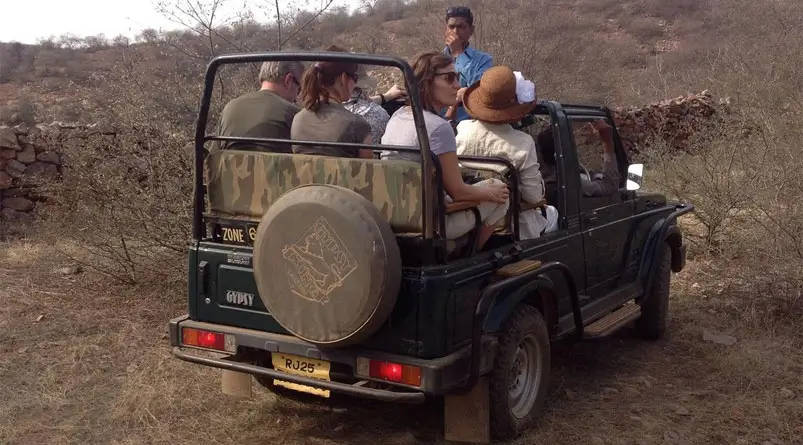
Ranthambore National Park is divided into multiple safari zones, each with its own terrain character, water bodies, vegetation density, and tiger movement patterns. Among these, Zones 1, 2, and 3 are considered part of the core safari region and are often discussed most intensely by wildlife photographers. Travelers frequently ask which zone is the “best” for tiger photography, hoping for a definitive answer that guarantees dramatic sightings. However, the reality is more nuanced. Each core zone has unique environmental characteristics that influence sighting conditions, photographic composition, and safari dynamics.
Understanding the structural differences between Ranthambore Zone 1 vs Zone 2 vs Zone 3 requires examining terrain, light quality, water sources, territorial overlap, and vehicle circulation patterns. Rather than chasing myths or relying on outdated narratives, photographers and wildlife enthusiasts should approach zone selection with informed expectations. This guide analyzes each zone in depth and explains how to align safari booking decisions with realistic photography goals during a Ranthambore wildlife tour by private car from Jaipur or Delhi.
Zone 1 is known for its relatively open terrain interspersed with rocky outcrops, forested patches, and several water bodies that attract wildlife during warmer periods. The vegetation density varies seasonally, but large clearings provide long sight lines when tigers move across pathways. Photographers often appreciate the textured background created by rocky hills and dry forest foliage.
Water sources in Zone 1 become particularly important during hotter months, as animals gather near them. This can increase visibility if tigers approach ponds for cooling. However, open landscapes also mean that wildlife may remain visible at greater distances, requiring telephoto lenses for strong compositions.
From a lighting perspective, morning safaris in Zone 1 benefit from golden sunlight filtering through sparse trees, creating dramatic shadow contrasts. Afternoon light can be harsher, especially during summer, but backlit scenes occasionally produce striking silhouettes.
Vehicle movement in Zone 1 follows designated forest tracks. During peak seasons, multiple safari vehicles may converge if a sighting is reported. However, because the zone is relatively expansive, dispersion often occurs naturally.
For photographers seeking environmental portraits of tigers against rugged terrain, Zone 1 offers compelling composition opportunities, though patience is required.
Explore zones known for frequent tiger sightings and iconic backdrops perfect for wildlife photography.
Customize Your Trip Talk to PlannerZone 2 presents a slightly different visual identity. This area contains a mix of dense vegetation corridors and open clearings, creating more unpredictable sighting dynamics. The forest canopy in certain stretches produces softer light conditions, which can be advantageous for capturing detail without harsh contrast.
Water bodies in Zone 2 serve as critical wildlife gathering points, particularly during drier months. Tigers sometimes use shaded areas for resting during midday heat, making sightings possible even when temperatures rise. However, thicker foliage occasionally obscures clear photographic angles.
One distinguishing feature of Zone 2 is the presence of scenic backdrops that combine stone ruins with natural vegetation. Photographers often capture tigers framed against these ancient elements, enhancing storytelling value.
Safari vehicles in Zone 2 operate under similar movement regulations as other core zones. Guides often rely on pugmark tracking and alarm calls from deer or langurs to anticipate tiger presence.
For those prioritizing moody forest compositions and layered depth in images, Zone 2 offers aesthetic variety. However, photographers must remain adaptable due to fluctuating visibility.
Zone 3 is often regarded as one of the most visually dynamic zones within the core area. It includes several picturesque lakes and historic ruins that provide dramatic backgrounds for wildlife photography. The presence of reflective water surfaces allows unique framing possibilities, especially during early morning hours when mist occasionally hovers above the lakes.
Vegetation patterns in Zone 3 range from open scrub to moderately dense forest sections. Tigers frequently use pathways near water bodies, creating opportunities for sightings along scenic routes. Because water attracts prey species, predator activity sometimes concentrates around these zones.
Light conditions in Zone 3 tend to be favorable for photographers during both morning and late afternoon safaris. Reflections in water create balanced compositions, and the contrast between ancient structures and wildlife adds narrative depth.
Due to its popularity among photographers, Zone 3 can experience higher vehicle concentration when tiger movement is reported. Nonetheless, official regulations control vehicle spacing to prevent overcrowding around sightings.
For photographers aiming for iconic tiger images with architectural and water elements, Zone 3 frequently delivers visually rewarding frames, though no guarantee of sightings exists.
Understanding tiger territory dynamics is essential when evaluating zone performance. Tigers do not adhere to human zone boundaries; their territories often overlap across multiple areas. Movement patterns depend on prey density, mating cycles, water availability, and seasonal shifts.
Some seasons may witness higher tiger activity in certain zones due to territorial dominance of specific individuals. However, such patterns change over time. What was considered the “best” zone in one period may not hold the same status later.
Experienced forest guides analyze alarm calls, pugmarks, and recent sightings to predict probable movement. Vehicle allocation remains random through official booking systems, reducing the ability to pre-select a guaranteed high-activity area.
Photographers should approach zone allocation with flexibility rather than rigid expectations. Each zone has recorded successful sightings across different seasons.
Photographic success depends on preparation rather than zone mythology. Carry lenses suitable for both distant and moderate-range shooting. In open areas like Zone 1, longer focal lengths prove useful. In denser sections of Zone 2, moderate zoom flexibility may capture closer encounters if foliage permits.
Morning safaris generally provide softer light across all zones. Afternoon safaris sometimes offer dramatic golden tones but may require higher ISO adjustments during fading light.
Maintaining silence and minimizing sudden movements within the vehicle enhances chances of extended viewing time. Booking a private jeep safari in Ranthambore increases maneuverability, especially for photographers requiring stable framing.
Zone type influences background aesthetics more than raw sighting probability.
Learn which zones offer the best chances for clear tiger sightings and picture-perfect compositions.
Customize Your Trip Talk to PlannerCrowd intensity varies depending on season and public interest in specific tiger territories. Core zones naturally attract higher visitor attention. However, strict forest department regulations limit the number of vehicles entering each zone per safari slot.
Private jeeps carrying fewer passengers offer more personal viewing comfort compared to shared vehicles. Photographers often prefer exclusive bookings to avoid obstruction during crucial moments.
While Zone 3 may occasionally feel busier due to scenic appeal, overall crowd control policies aim to balance vehicle distribution.
Selecting early morning slots may reduce perceived congestion.
Wildlife photography depends heavily on unpredictability. No zone guarantees sightings. Weather conditions, recent tiger movement, and sheer luck influence outcomes.
The concept of a single “best zone” oversimplifies complex ecological behavior. Photographers benefit more from multiple safari attempts across different zones rather than relying on a single booking.
Patience, preparation, and professional guidance remain the most valuable assets.
Many travelers include Ranthambore within a broader Rajasthan private car tour. Coordinating safari bookings with arrival schedules prevents rushed entry.
Arriving the previous evening ensures readiness for early morning safari departure.
Maintaining a consistent private driver from Jaipur to Ranthambore simplifies logistics and reduces stress.
Well-structured planning enhances wildlife experience.