
Choosing the right safari zone in Ranthambore is rarely about luck alone. While wildlife always carries an element of unpredictability, seasonal patterns strongly influence tiger movement, prey distribution, water dependency, and vegetation density. Many travelers mistakenly search for a universally “best” zone, yet Ranthambore functions as a living ecosystem where seasonal climate shifts reshape animal behavior. Understanding how Ranthambore safari zones perform across different months provides a strategic advantage when planning your wildlife journey.
Whether arriving through a private car with driver from Jaipur to Ranthambore or including the park within a larger Rajasthan itinerary, aligning safari bookings with seasonal dynamics enhances overall experience quality. This guide explores how weather cycles affect visibility, terrain accessibility, and tiger activity across core and buffer zones, allowing travelers to plan with realistic expectations rather than outdated assumptions.
Ranthambore experiences three primary climatic phases: cooler months with mild daylight and cold mornings, hotter dry months with intense heat and shrinking water sources, and transitional periods where vegetation density shifts dramatically. Each phase alters how tigers use their territory.
During cooler months, vegetation retains moderate density, making some areas visually thicker. Tigers move actively throughout the day but may remain partially concealed within forest cover. Morning mist occasionally softens light conditions, influencing photography clarity.
As temperatures rise, water scarcity becomes a dominant ecological factor. Tigers increasingly gravitate toward permanent water bodies, improving predictability of sightings near lakes and ponds. However, midday heat reduces overall animal movement, concentrating activity during early mornings and late afternoons.
Understanding these seasonal behaviors helps safari participants interpret zone performance logically rather than emotionally.
During the cooler period, typically spanning late autumn through winter, core zones with mixed terrain often provide balanced viewing opportunities. Vegetation density remains moderate, neither fully dry nor excessively overgrown. Tigers frequently patrol territories, and prey species such as spotted deer and sambar remain active across different elevations.
Zones featuring open clearings combined with rocky terrain allow clearer sight lines during this season. Because heat stress is minimal, tiger movement may occur beyond immediate water sources. This spreads sighting possibilities across broader tracks rather than concentrating them around specific ponds.
Buffer zones during cooler months also perform well, particularly those with stable prey density. Reduced tourist bias toward buffer areas sometimes results in calmer safari conditions.
Photographers should prepare for early morning cold and potential fog patches that may temporarily reduce visibility. Soft golden light during sunrise often enhances image quality in both core and buffer zones.
Learn which Ranthambore zones offer the best chances to spot tigers and diverse wildlife.
Customize Your Trip Talk to PlannerDuring transitional phases between cooler and hotter months, Ranthambore’s forest undergoes visual transformation. Some vegetation begins drying, increasing transparency in certain zones. This improves visibility but may also scatter prey species across wider areas.
Tigers use transitional periods to expand movement corridors while maintaining access to water sources. Zones containing mixed scrubland and water bodies often demonstrate consistent activity during these months.
Safari strategy during transitional periods benefits from flexibility. Instead of focusing solely on historically popular zones, travelers should consider current sighting reports and guide recommendations.
Hiring a private jeep safari in Ranthambore during these months allows greater maneuverability when tracking movement across mixed terrain.
The hottest months transform Ranthambore’s dynamics dramatically. Water becomes the primary magnet for wildlife activity. As temporary water sources dry up, tigers increasingly rely on permanent lakes and ponds within specific zones.
Zones containing larger water bodies often experience concentrated tiger sightings during this period. Prey species gather near water, indirectly increasing predator presence. While heat reduces overall daytime movement, early morning and late afternoon safaris can yield high visibility near water edges.
However, extreme heat requires careful physical preparation. Travelers must carry hydration and sun protection regardless of vehicle type.
Buffer zones with reliable water access may perform as strongly as core zones during peak heat season. Lower vehicle density around these water bodies can create calmer viewing conditions compared to busier core tracks.
Seasonal awareness during hot months significantly enhances sighting strategy.
Vegetation thickness varies significantly across seasons. During cooler and transitional periods, moderate foliage can both enhance and obstruct photography. Leaves and branches may partially frame subjects, creating layered compositions but also limiting full-body visibility.
As vegetation dries during hotter months, sight lines expand. Tigers walking along dusty tracks may become easier to spot from a distance. However, harsh sunlight during midday reduces photographic softness.
Choosing safari timing becomes more critical than zone selection alone. Early morning drives across any zone typically produce better photographic conditions.
Photographers integrating Ranthambore into a Rajasthan wildlife road trip should align lens choices with expected terrain visibility rather than relying solely on zone reputation.
Core zones often receive disproportionate attention due to historical fame. However, seasonal water distribution and prey movement influence both core and buffer performance.
During cooler months, core zones with balanced terrain may produce consistent activity. During peak heat, buffer zones with stable water bodies can rival core areas in sighting frequency. Transitional periods may show mixed results depending on recent rainfall patterns.
Diversifying safari bookings across different zones during multi-day stays increases exposure to varying ecological conditions.
Travelers arriving via private car from Jaipur to Ranthambore should ideally plan at least two safari attempts to improve cumulative experience.
Seasonal patterns provide macro-level guidance, but micro-level tracking depends on experienced forest guides. Alarm calls from prey species, fresh pugmarks, and recent sighting updates influence immediate route decisions within allocated zones.
Vehicle type also affects maneuverability. Private jeeps offer slight advantages in adjusting positioning within permitted boundaries, particularly during water-centric sightings.
Remaining patient and attentive during safari drives enhances outcome regardless of zone.
Real-time observation often overrides pre-trip assumptions.
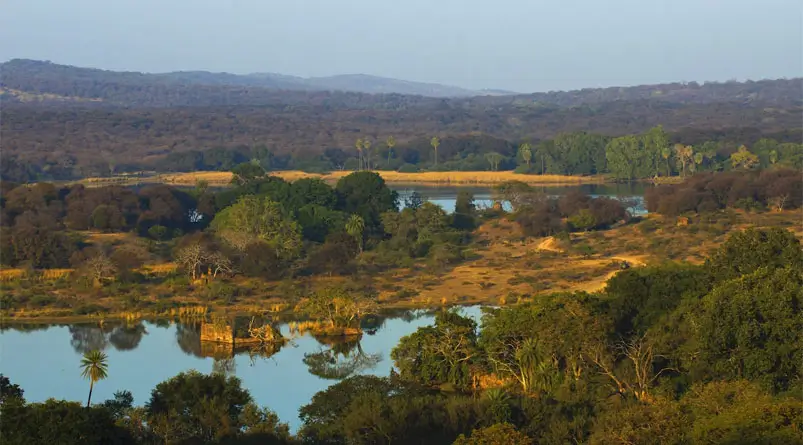
Explore scenic forest routes, lakes, and historic ruins across Ranthambore’s unique safari zones.
Customize Your Trip Talk to PlannerTravelers spending two or three nights in Ranthambore benefit from scheduling safaris across different zones and time slots. Combining morning and afternoon drives captures varied light conditions and movement patterns.
Structured planning under a private driver tour from Jaipur to Ranthambore ensures timely arrival before early morning departure.
Booking diversity reduces dependency on a single safari attempt.
Strategic scheduling maximizes ecological exposure.
No month guarantees tiger sightings. Seasonal trends increase probability under certain conditions, but wildlife remains unpredictable.
Approaching safari with informed flexibility prevents disappointment.
Zone selection should align with season but remain open to variability.
Balanced expectation produces more satisfying wildlife experiences.
Ranthambore often forms part of broader Rajasthan journeys including Jaipur, Udaipur, and Jodhpur. Coordinating safari timing within overall road itinerary prevents rushed transitions.
Arriving the evening before early safari departure ensures proper rest.
Maintaining the same Rajasthan private driver service simplifies luggage movement and scheduling.
Integrated planning enhances travel comfort and wildlife focus.