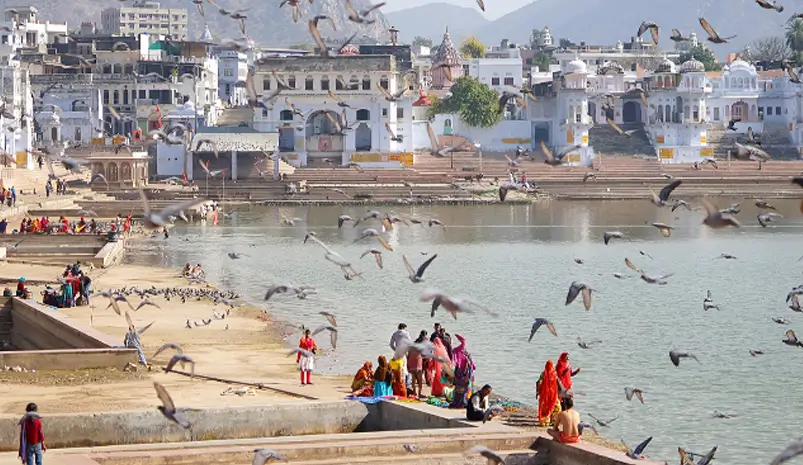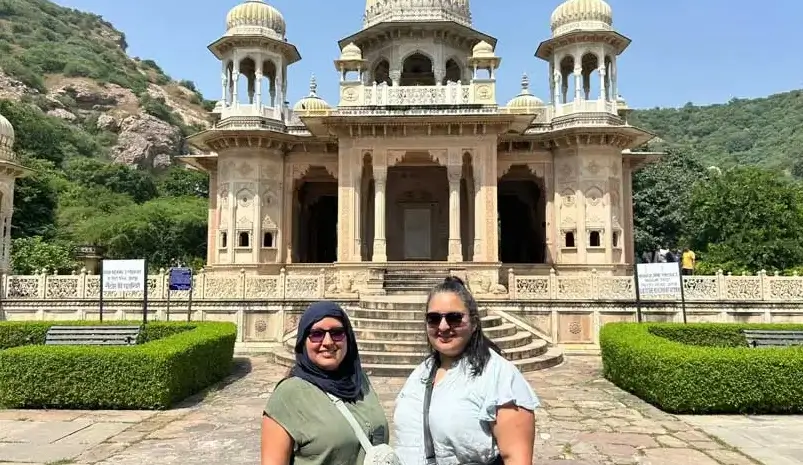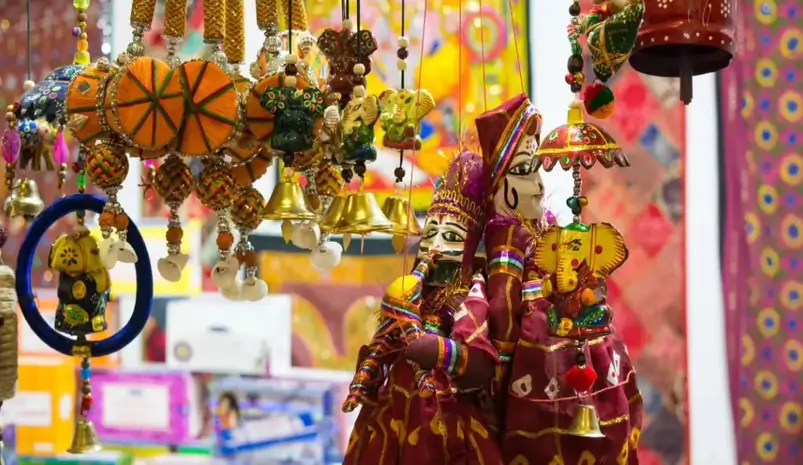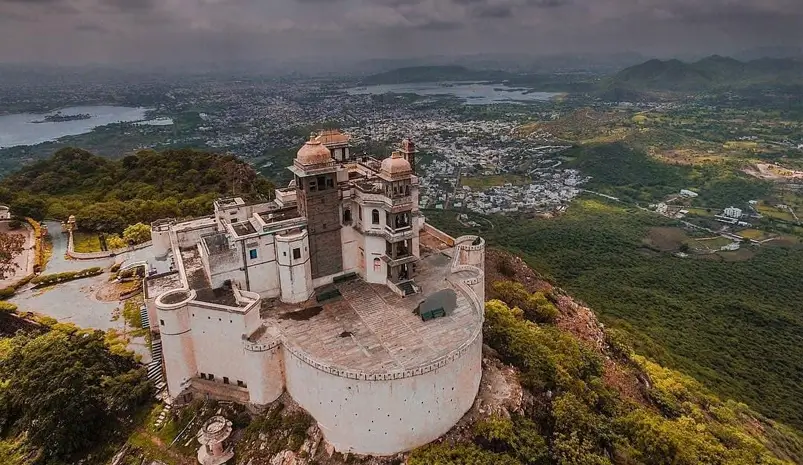
For first-time visitors to India, the very idea of road travel can seem daunting. Images of chaotic traffic, unfamiliar customs and language barriers often dominate the imagination. Yet hiring a private driver in India remains one of the wisest decisions a traveler can make in this beautifully complex country. It transforms what could be a stressful experience into an opportunity for deeper connection and discovery.
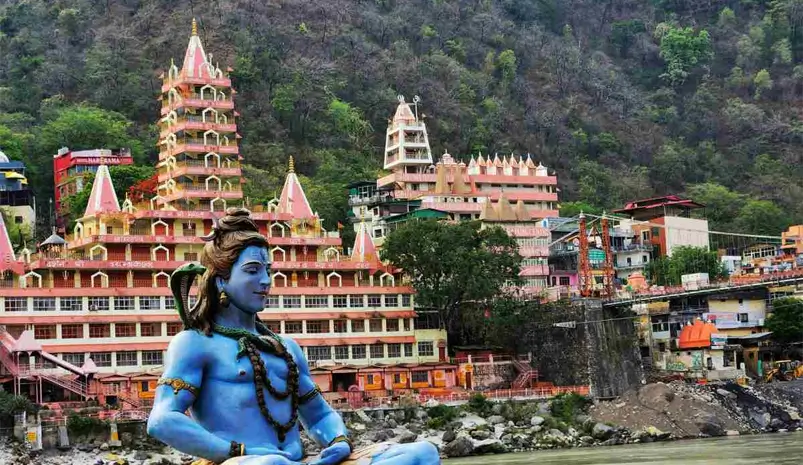
The key lies in approaching this service not just as transportation, but as a partnership with someone who becomes your bridge to authentic India. My own journey from apprehension to confidence came during a monsoon-season trip from Delhi to Rishikesh, when my driver Rajesh navigated flooded roads with calm expertise while pointing out hidden village shrines I would have otherwise missed.
Finding the right driver begins with understanding that you're selecting more than a chauffeur - you're choosing a temporary travel companion. Reputable providers like Savaari or local operators registered with the Ministry of Tourism conduct proper background checks, but the human element matters most. Look for drivers with several years of experience serving international travelers, as they'll better understand your needs and concerns.
The vehicle itself tells a story before you even meet the driver. Well-maintained cars with functioning seatbelts and air conditioning aren't just about comfort - they reflect the operator's professionalism. I learned this the hard way when a "bargain" rental in Jaipur left us stranded with a failed AC in 45°C heat. Now I always request photos of the actual vehicle before booking.
India's roads demand a different kind of awareness. What appears chaotic follows its own rhythm, one your experienced driver understands intimately. Morning departures prove wisest, allowing you to cover distance before afternoon heat or unexpected delays. I still recall watching sunrise over the Yamuna Expressway while my driver, a Sikh gentleman named Harpreet, explained how modern highways coexist with bullock cart trails just kilometers away.
Night driving presents particular challenges, from poorly lit trucks to unexpected livestock crossings. During a moonlit return from Agra, my driver insisted we stop at a roadside dhaba when fog reduced visibility - a decision that likely prevented an accident. Such judgment calls separate true professionals from mere wheel-turners.
Your driver in India often becomes an unintentional cultural ambassador. Mine taught me to distinguish between a legitimate rest stop and a "commission shop" where drivers earn kickbacks. He showed me how to wrap a turban at a roadside shrine, and which highway dhabas maintained proper hygiene standards. This knowledge came not from guidebooks, but from years on the road.
Financial transparency forms the foundation of this relationship. Establishing clear terms about tolls, parking fees, and meal stops prevents misunderstandings later. I maintain a practice of writing down agreed terms in a notebook both parties sign - a low-tech solution that has served me well across fifteen Indian states.
Even with precautions, challenges arise. Breakdowns, sudden illness or route changes test the mettle of both traveler and driver. During a Rajasthan sandstorm, my driver's quick thinking in diverting to a roadside hamlet turned a potential crisis into an unforgettable evening of storytelling with local villagers.
Female travelers particularly should trust their instincts. While most drivers are perfectly professional, it's reasonable to request hotel drop-offs before dark or avoid overly personal questions. Reputable companies now offer women-driven services in major cities, a welcome development for solo female travelers.
What begins as practical transportation often becomes a highlight of the journey. My most cherished India memories didn't happen at famous landmarks, but in those unplanned moments - sharing homemade lassi at a driver's family home, or being invited to a village wedding we stumbled upon. These are the experiences no scheduled tour can provide.
The rhythm of road travel allows you to see India unfold at human pace. You'll notice how the quality of roadside chai changes from Punjab to Tamil Nadu, how truck art evolves across regions, how dialects shift every few hundred kilometers. Your driver, if you're fortunate, becomes the narrator of this living documentary.
Approached with reasonable precautions and an open mind, traveling India with a private driver offers more than safety - it offers connection. You're not just moving between points on a map, but being guided through layers of culture and history by someone who knows the way. That, ultimately, may be the greatest security of all.
Beyond standard tips (₹300-500/day), a handwritten note or positive review helps good drivers gain more opportunities.
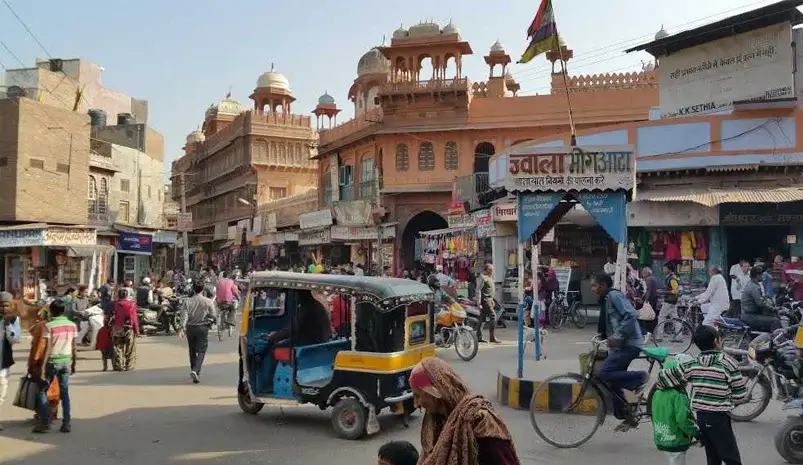
India's roads are a living ecosystem where modern highways coexist with bullock carts and everything in between. The apparent chaos follows unwritten rules your experienced driver understands intimately.
Reputable providers share driver profiles including years of experience and traveler reviews. A simple video call beforehand helps assess language skills and professionalism.
Toyota Innovas or similar SUVs provide the ideal balance of comfort and ruggedness for India's changing terrain, from mountain passes to rural tracks.
Generally avoidable, but if necessary, insist on a two-driver rotation for long nighttime stretches like Delhi to Jaipur transfers.
Many operators now offer women-driven services. For male drivers, choose companies with strong reputations and share your itinerary with someone trustworthy.
A 30% digital deposit with the remainder paid in cash upon safe completion of each leg prevents disputes. Always get receipts.
The best ones can recommend trustworthy doctors, arrange reliable guides, or even help navigate local markets - discuss these possibilities upfront.
Establish preferences early. Many drivers appreciate joining for meals (which you cover), while others prefer eating separately at local establishments.
Professional services include backup vehicles. Carry your operator's emergency number separately from the driver's contact.
Politely but firmly decline any unscheduled retail detours. Good drivers respect this boundary when set clearly at the journey's start.
Modest dress (covered shoulders/knees) shows respect, especially when visiting religious sites your driver may suggest along the route.
Many can arrange wheelchair-accessible vehicles or child seats with advance notice - discuss specific requirements when booking.
Either prepay these as part of your package or establish a transparent reimbursement system with receipts.
The best anticipate needs you didn't voice - like stopping at a pharmacy when they notice your cough, or finding that perfect sunset viewpoint.