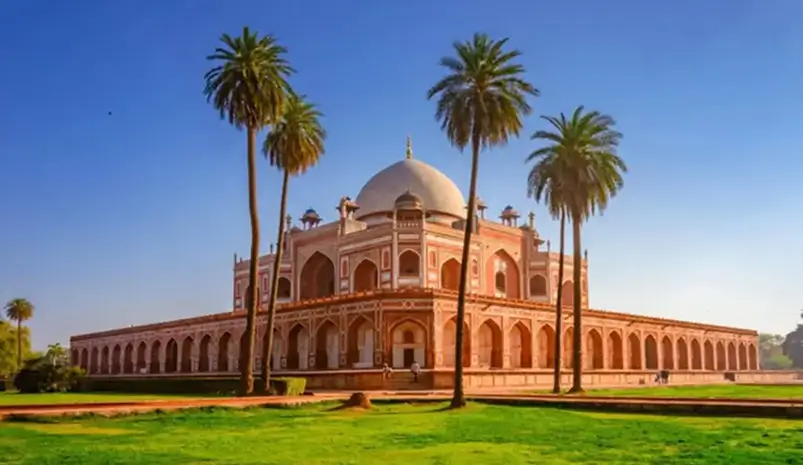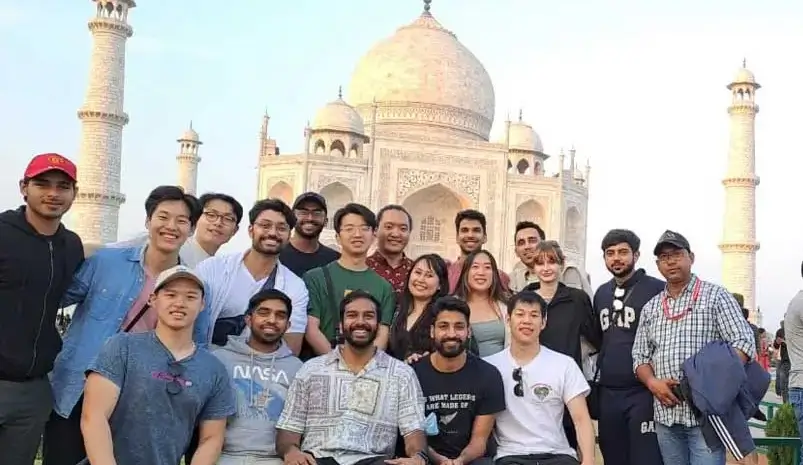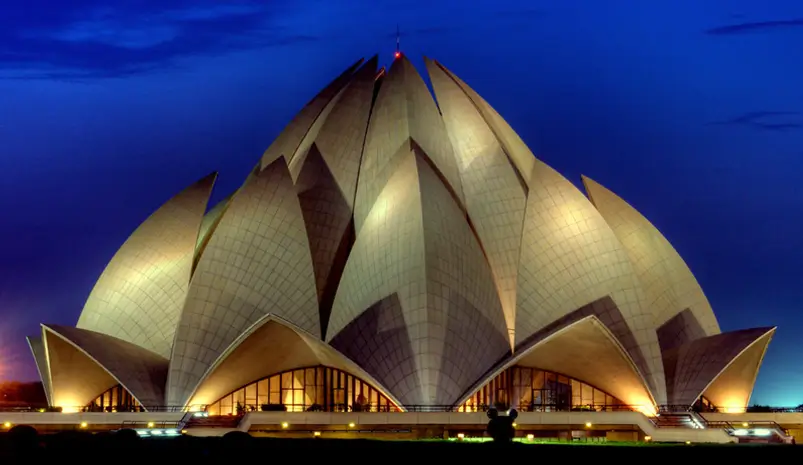
The Golden Triangle route connecting Delhi, Agra and Jaipur is more than just India's most popular tourist circuit of India- it's a living tapestry where history, culture and modern India intertwine. With a private driver guiding your journey, you'll discover the rhythm of real India that most travelers miss. This isn't merely transportation; it's an experience that transforms your trip from sightseeing to storytelling.
Having a dedicated driver for your Golden Triangle adventure opens doors no group tour can match. Imagine stopping spontaneously at a roadside dhaba where truckers gather for steaming chai, or detouring to Abhaneri's magnificent 10th-century stepwell when your driver mentions it's just 45 minutes off the main Jaipur-Agra highway. These are the moments that become trip highlights.
Your driver becomes an unexpected cultural ambassador. They'll know which Delhi alley serves the crispiest kachoris at dawn, where to find authentic Pietra Dura marblework in Agra beyond the tourist traps, and which Jaipur textile shop gives demonstrations of traditional block printing. This local knowledge transforms generic sightseeing into meaningful encounters.
The comfort factor cannot be overstated. After a pre-dawn Taj Mahal visit, having an air-conditioned sanctuary waiting lets you recharge before exploring Agra Fort. When Jaipur's bazaar chaos becomes overwhelming, your car becomes a peaceful retreat. Unlike trains or buses, you control the schedule - lingering longer at places that captivate you, skipping what doesn't resonate.
A well-paced seven-day journey allows you to experience each city's essence without rushing. Begin in Delhi, where ancient and modern India collide most dramatically. Your first morning should start in Old Delhi, entering Jama Masjid at sunrise when the marble courtyard glows pink. Follow this with a walking breakfast through Paranthe Wali Gali, where seventh-generation shops fry stuffed parathas in pure ghee. Save modern Delhi for evening - cocktails at the Imperial Hotel's 1911 Bar, where the ghosts of Nehru and Mountbatten still seem to linger.
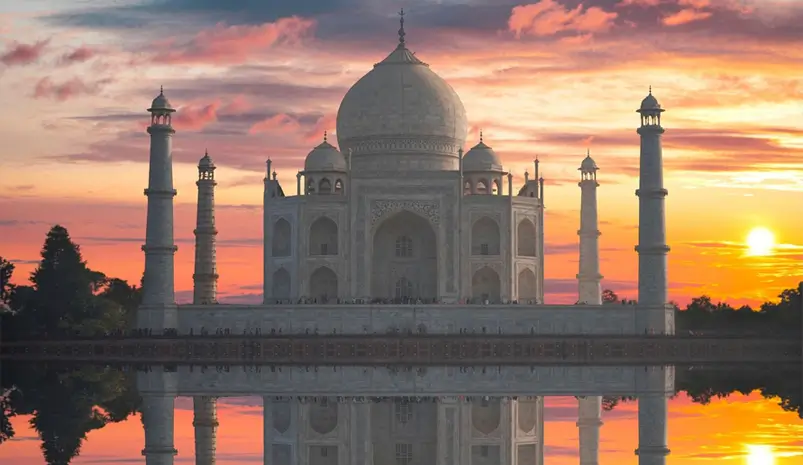
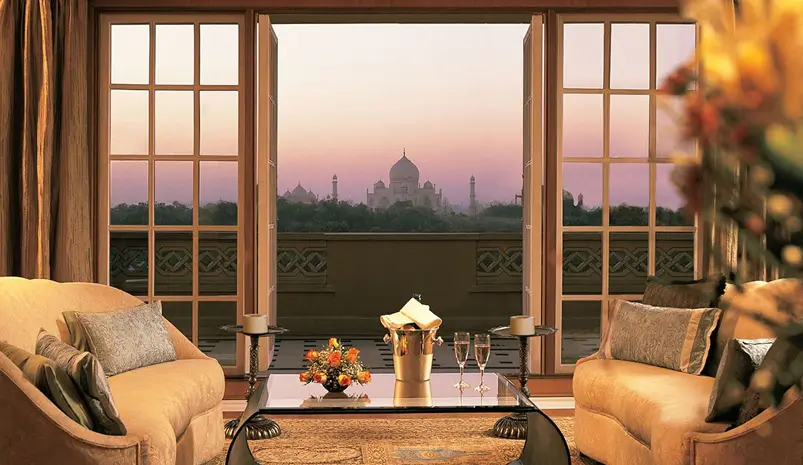
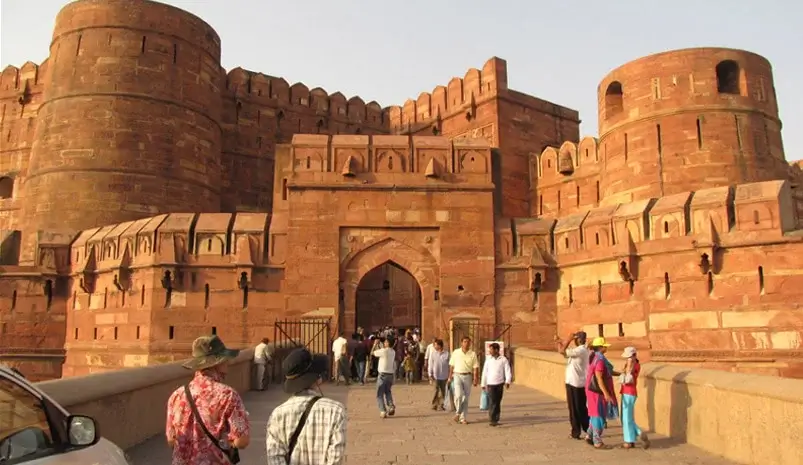
Agra deserves more than a Taj Mahal dash. While sunrise at the mausoleum is essential (enter through the often-overlooked East Gate), save time for Shah Jahan's other masterpiece - the pearl mosque at Agra Fort. As crowds thin in late afternoon, have your driver take you to Chini Ka Rauza, a riverside tomb covered in exquisite Persian tilework that most visitors miss. If your dates align, the moonlight Taj viewings (five nights monthly) are magical.
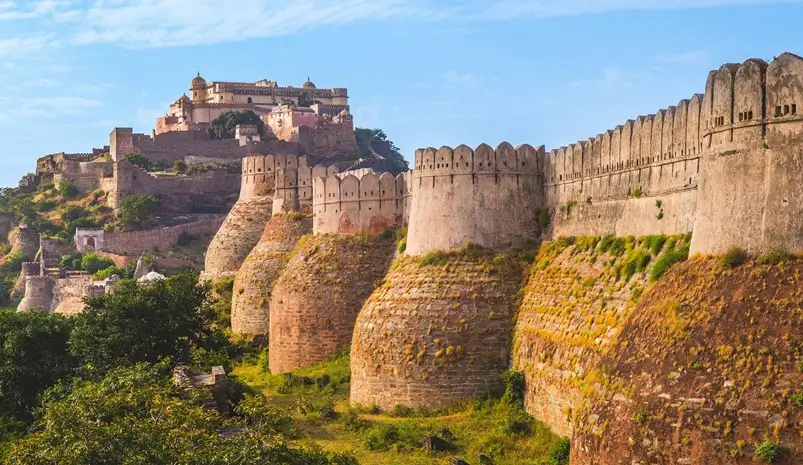
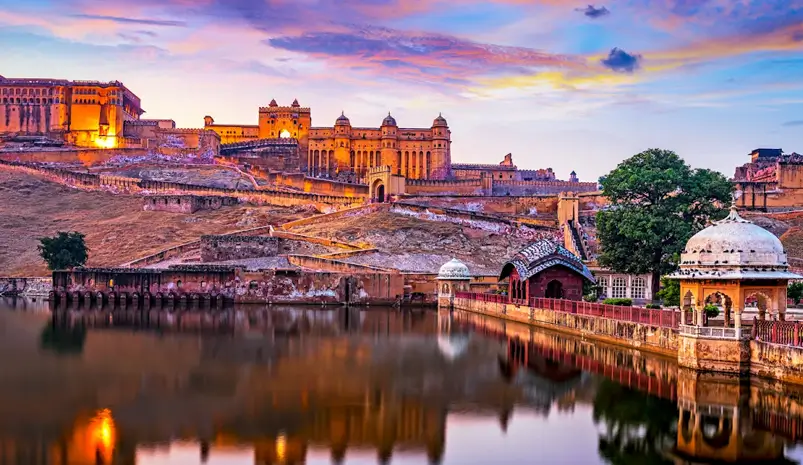
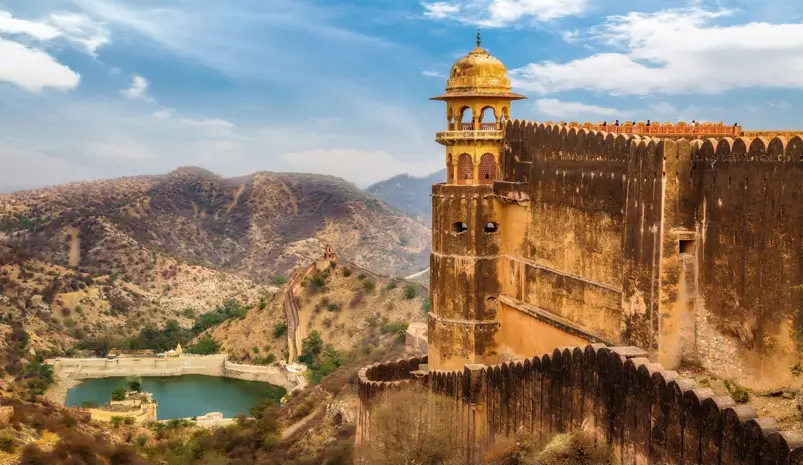
Jaipur reveals its secrets slowly. Beyond Amber Fort's obvious grandeur lies its ingenious Sukh Niwas - a "cool palace" where breezes were funneled over water channels. Your driver can get you to Panna Meena Ka Kund stepwell at dawn, when the geometric staircases glow golden but tourists haven't arrived. As evening falls, Nahargarh Fort's sculpture park offers city views with contemporary art installations.
Not all private drivers offer equal experiences. The vehicle itself makes a difference - a Toyota Innova SUV handles rural roads comfortably, while smaller sedans save money but sacrifice legroom on longer transfers. Language capabilities are crucial; an English-speaking driver, while 10-15% more expensive, prevents frustrating miscommunications when making spontaneous stops.
Reputable operators provide drivers who double as troubleshooters—securing Taj Mahal tickets in advance, knowing which jewelry shops in Jaipur are trustworthy, or arranging last-minute cooking classes. Platforms like Savaari or local operators with responsive WhatsApp support tend to offer better vetted professionals than random airport touts.
The best drivers anticipate needs you didn't know you had. One traveler recounted how their driver arranged an unscheduled stop at a village wedding procession, complete with turban-tying demonstrations. Another spoke of being taken to a family home for Diwali celebrations. These unscripted moments become trip highlights.
Budgeting properly ensures no surprises. At the economy level (₹35,000 per person), you'll get a reliable but basic car and clean budget hotels. Mid-range (₹75,000) upgrades to an English-speaking driver, heritage-style accommodations, and better meals. Luxury (₹1,50,000+) brings premium vehicles, palace hotels and VIP monument access.
Remember to factor in incidentals: monument entry fees add up (the Taj Mahal alone costs ₹1,100 for foreigners), and tipping your driver ₹300-500 daily maintains good service. Some drivers include bottled water and tolls; others itemize these - clarify upfront.
When to Go on Your Golden Triangle Journey
The ideal time to traverse the Golden Triangle is during the golden-hued months of October through March, when daytime temperatures hover between 18-28°C. This period avoids both the scorching summer heat (April-June, when temperatures soar to 45°C) and the monsoon rains (July-September) that can flood rural roads. For photographers, November-February offers crisp morning light perfect for capturing the Taj Mahal's reflection at dawn. Culture seekers should align their visit with Jaipur Literature Festival (January) or Holi celebrations (March) when the cities explode in color.
The magic lies in blending iconic sights with local exploration. Begin in Delhi, where your driver can navigate Old Delhi's labyrinthine lanes to 17th-century havelis turned spice markets. In Agra, rise before dawn to witness the Taj Mahal's marble glow in solitude - your driver will know which gate offers fastest entry. Jaipur reveals its true character at sunset, when Nahargarh Fort's ramparts become the perfect vantage point to watch the Pink City transition from amber to twilight. Opt for a 7-day Golden Triangle itinerary to appreciate each destination's nuances: 2 nights Delhi, 1 night Agra, 3 nights Jaipur, with leisurely 4-5 hour drives between cities punctuated by countryside discoveries.
The true beauty of this journey emerges in the spaces between destinations - when your driver pulls over at a sugarcane juice stall so you can taste fresh gur (jaggery) or when you stumble upon a puppet show in Jaipur's old city. With thoughtful planning (those sunrise Taj visits require 4:30am departures) balanced with spontaneity (yes, detour for that roadside samosa that smells irresistible), your Golden Triangle experience will resonate long after you've returned home. Remember to occasionally put down your camera and simply absorb the moments - the call to prayer echoing across Delhi's rooftops, the first glimpse of the Taj through the gateway arch, the way Jaipur's pink walls glow at dusk. These are the memories no itinerary can schedule, but a good driver knows exactly how to find.
A private driver offers unparalleled flexibility to stop at hidden gems like Sikandra's tranquil Mughal gardens or Dausa's ancient stepwells—sites most tours skip. You control the pace, avoiding rushed 15-minute Taj Mahal visits common on group tours.
Reputable providers like Savaari or MakeMyTrip verify licenses and customer ratings. Request a driver with 50+ Golden Triangle trips completed, and confirm their English proficiency level if needed.
Toyota Innova SUVs suit most travelers (comfort for 3 adults + luggage). Luxury seekers can upgrade to Mercedes sedans, while budget travelers may opt for compact Swift Dzires (less legroom on 5-hour drives).
Avoid driving post-sunset—poor rural road lighting and unpredictable livestock crossings make daytime travel preferable. Schedule transfers between 8am-5pm.
Toll roads (₹500-800 between cities), monument camera fees (₹200-500 per site), and driver accommodations (₹1000/night budget you'll reimburse).
Most drivers expect to eat separately at local dhabas during your restaurant meals. Offering to cover their lunch (₹200-300) builds rapport.
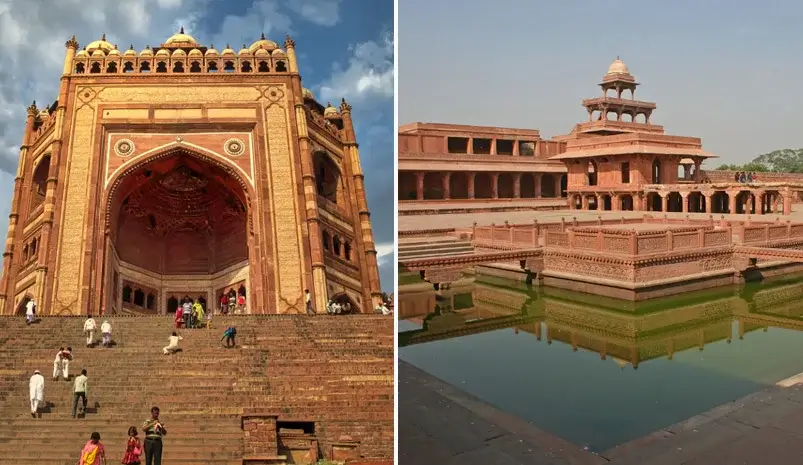
Absolutely - that's the private driver advantage. Last-minute additions like Fatehpur Sikri or Chand Baori stepwell are easily accommodated with 1-2 hours' notice.
Have your driver stock the car with sealed bottled water (avoid roadside refills). Schedule midday breaks during summer to avoid heat exhaustion at open sites like Agra Fort.
Splurge on a luxury hotel in Jaipur (Rambagh Palace) for the full Rajput experience, but save on Delhi hotels since you'll be sightseeing most of the day.
Dress modestly at religious sites (covered shoulders/knees). Remove shoes at temples and mosques carry socks for hot marble surfaces like Jama Masjid's courtyard.
Mehrauli Archaeological Park in Delhi (1000 years of ruins in one green space) and Abhaneri's Chand Baori stepwell between Jaipur-Agra are driver-recommended hidden gems.
Have your driver purchase Taj Mahal tickets the prior evening to avoid sunrise queues. Carry exact change for smaller sites like Agra's Baby Taj.
ATMs are plentiful, but carry ₹2000-3000 in small bills (₹50/100) for rural tolls, tips, and markets. Notify your bank of India travel to prevent card blocks.
Ask your driver to arrange visits to social enterprises like Sheroes Hangout (Agra café run by acid attack survivors) or Jaipur's Anokhi Museum of Hand Printing.
Delhi's Sunder Nursery night garden walks, Agra's "Mohabbat the Taj" cultural show, and Jaipur's Amer Fort light-and-sound spectacle reveal these cities' after-dark magic.