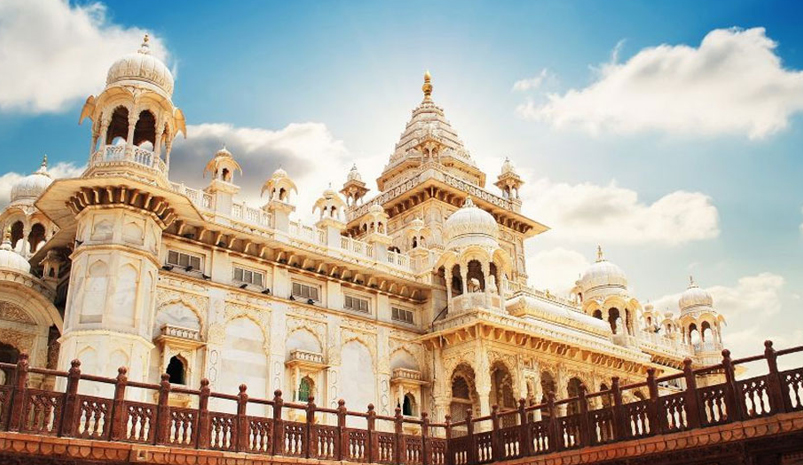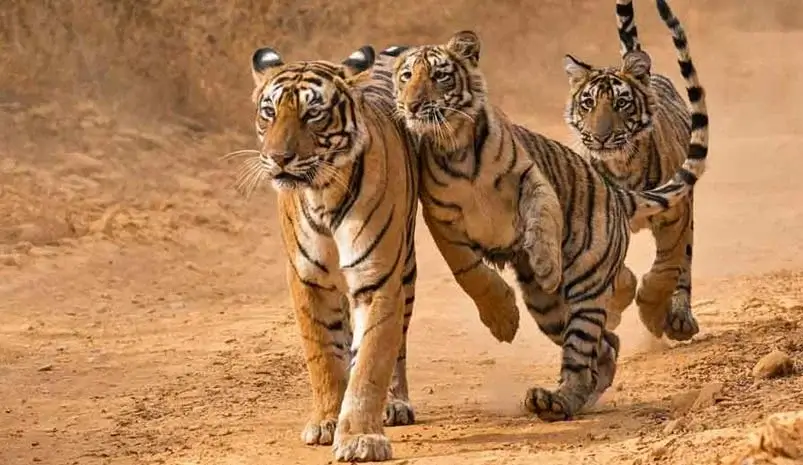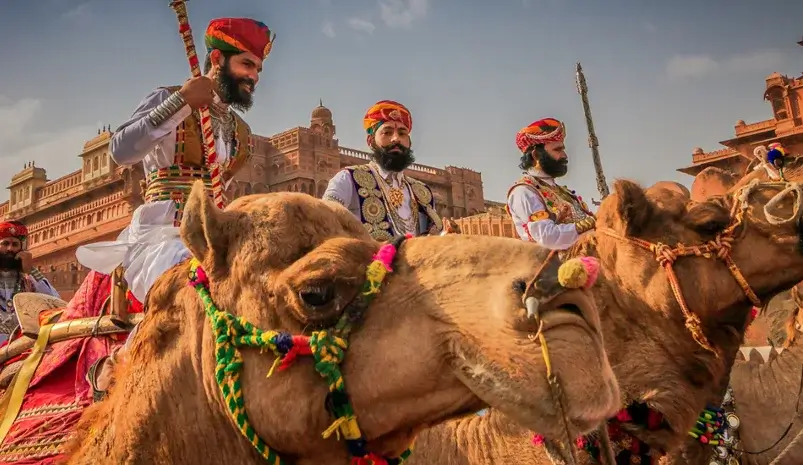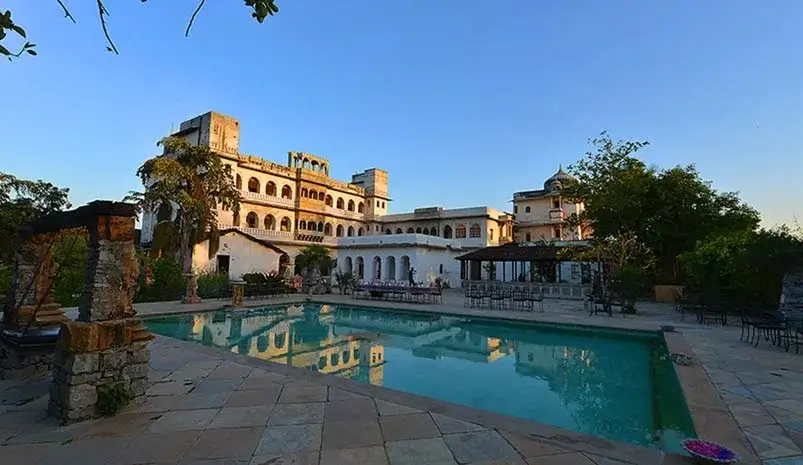
The royal triangle of Jaipur, Udaipur and Jodhpur doesn't just showcase Rajasthan's regal past - it pulses with living grandeur. These cities aren't frozen in time but breathe through their bustling bazaars, lakeside cafés and fort-turned-museums where descendants of kings still walk the corridors. Each city tells a different chapter of Rajasthan's story through architecture that defies gravity and traditions that defy modernity.
What makes these cities extraordinary isn't just their monuments, but how they reveal Rajasthan's soul in contrasting hues - the pink blush of Jaipur's mathematical precision, the white marble dreamscape of Udaipur's lakes and Jodhpur's indigo sprawl beneath its cliffside fortress. This is where you'll find the kingdom's heartbeat in a single sip of masala chai at a blue-walled café, in the evening aarti reflections on Lake Pichola and in the golden hour when Jantar Mantar's sundials cast their longest shadows.
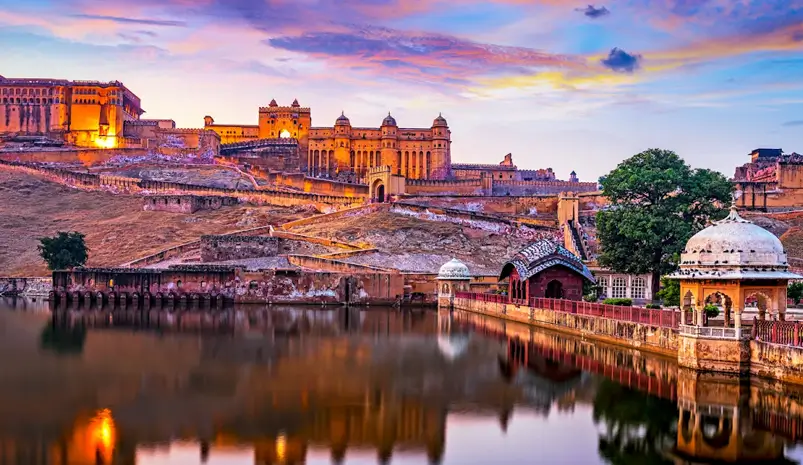
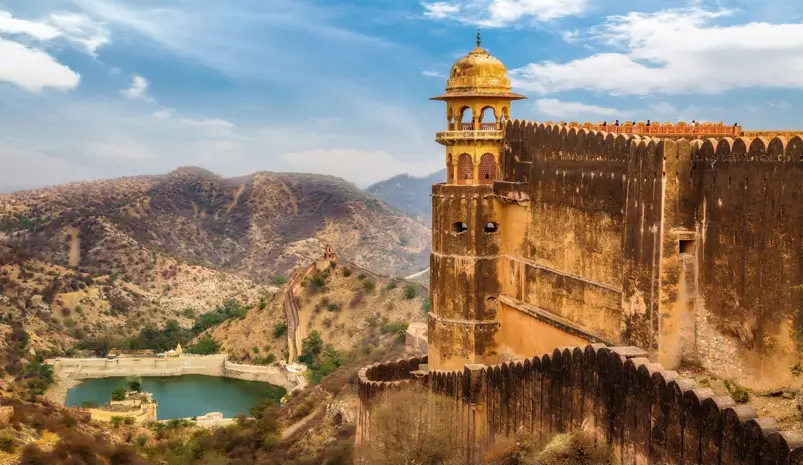
There's something delightfully audacious about Jaipur - a city built not by accident but by precise astronomical calculation. Maharaja Sawai Jai Singh II didn't just construct a capital in 1727; he engineered a celestial diagram in sandstone. The Pink City (a 19th-century makeover for a royal welcome) reveals its genius in details most miss - the way Jantar Mantar's massive instruments still tell time to the minute, how Hawa Mahal's 953 windows create natural air conditioning, and why Amber Fort's mirrored ceilings were designed to mimic starlight with candle reflections.
Modern Jaipur thrives in this paradox - a UNESCO-listed observatory shares walls with vibrant bazaars selling sequined juttis and heritage hotels serve craft cocktails where maharanis once held court. The city's magic lies in these layers:
Must Experience:
Stay Like Royalty:
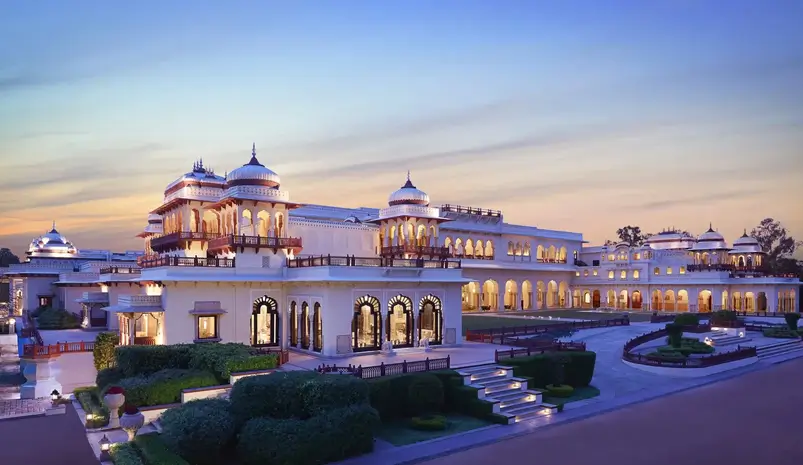
The Suján Rajmahal Palace's art deco suites (once home to Jacqueline Kennedy) or the 18th-century Narain Niwas Palace where peacocks stroll manicured gardens
Taste the Real Jaipur:
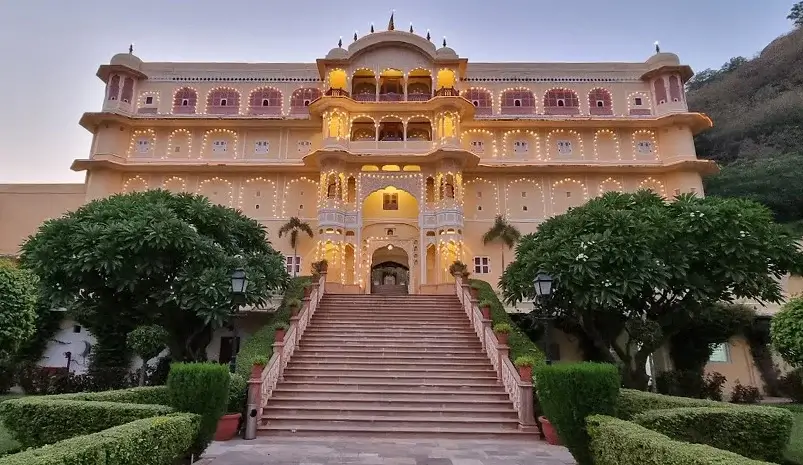
Breakfast at Samode Haveli's courtyard with freshly fried kachoris or a thali at Chokhi Dhani that turns dining into a cultural immersion
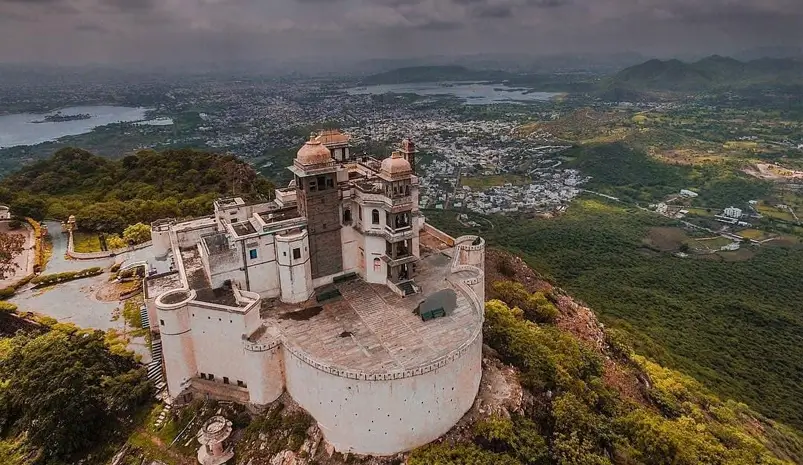
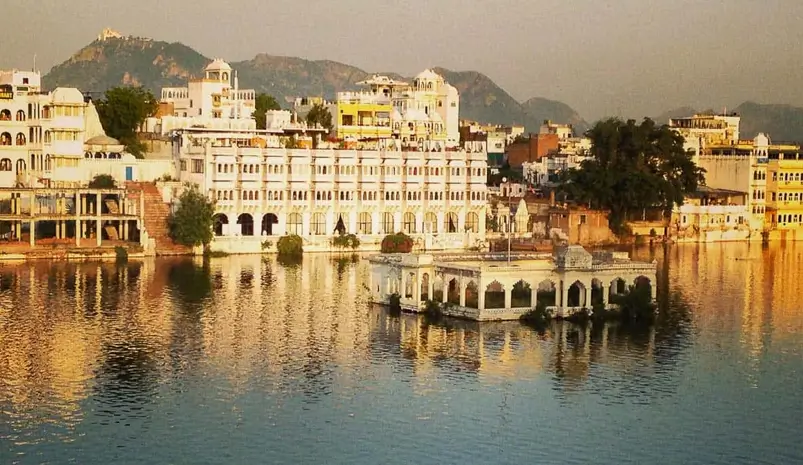
If Jaipur was planned by mathematicians, Udaipur was dreamed by poets. The City of Lakes floats in a haze of marble and mist, where palaces rise from the water like mirages. Jag Mandir's island silhouette at sunset, the delicate jharokhas of City Palace reflected in Lake Pichola, the sound of temple bells bouncing across the ghats - Udaipur doesn't just charm visitors; it intoxicates them.
Beyond the postcard views lies a city of artisans keeping miniature painting traditions alive in cramped studios, of boatmen who can trace their lineage to royal gondoliers, and of rooftop restaurants where your dal baati churma comes with a side of floating palace illuminations. The real Udaipur reveals itself:
At dawn, when Bagore Ki Haveli's dancers practice with only temple parrots as audience
In the narrow lanes of Hazuri Bazaar, where shopkeepers press fresh marigold garlands into your hands
At sunset, when you realize the Lake Palace isn't white but takes on the sky's peach and lavender hues
Sleep in a Fairy Tale:
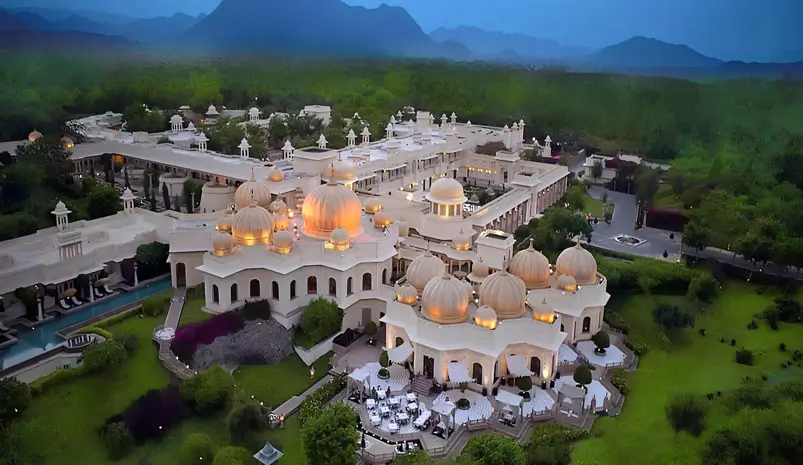
The Oberoi Udaivilas' serpentine pools mimic Lake Pichola's curves, or the heritage Shiv Niwas Palace where suites have original frescoed ceilings
Dine Like a Maharana:
At Ambrai Ghat with your feet almost in the water or Raas Leela's rooftop where thalis are served on brass trays under a canopy of stars
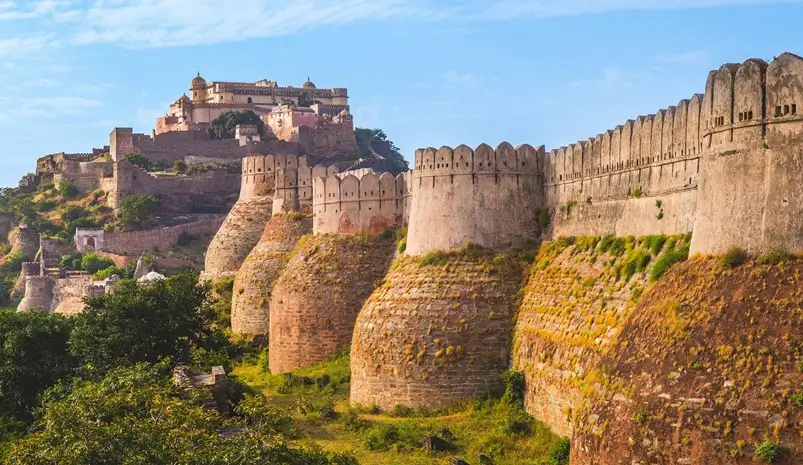
No city announces itself quite like Jodhpur - a burst of cobalt houses tumbling toward Mehrangarh Fort's 500-foot cliffs. This is Rajasthan at its most dramatic, where the desert meets the extravagant. The Blue City (originally colored by Brahmin homes to denote caste, now a UNESCO-protected palette) lives in vivid contrasts:
Jodhpur rewards those who wander beyond the fort:
Royal Rest:
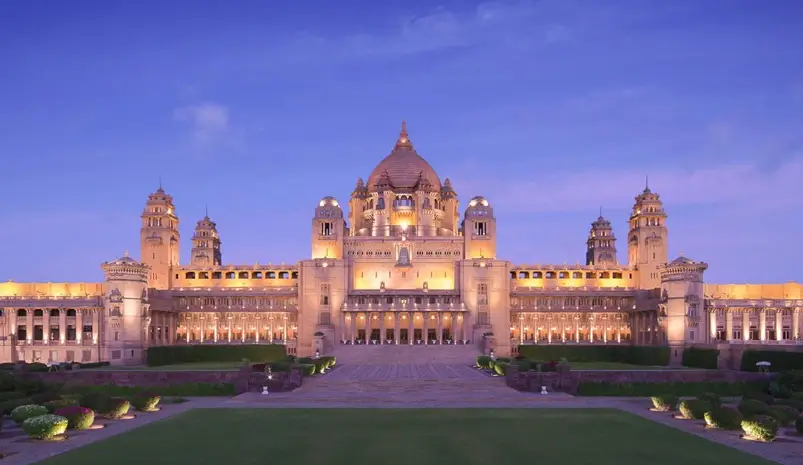
The Taj Umaid Bhawan Palace (where the royal family still occupies one wing) or the intimate Raas Haveli with fort-view showers
Flavors of Marwar:
Breakfast lassis at Shri Mishrilal Hotel (established 1927) or a royal tasting menu at Pillars catering to modern palates
What binds these cities isn't just history but how they reinvent tradition. In Jaipur, third-generation jewelers rework Mughal designs into contemporary statement pieces. Udaipur's miniature painters collaborate with graphic novelists. Jodhpur's musicians fuse Maand folk with electronic beats.
The perfect itinerary weaves them together:
Because nowhere else on earth do:
These cities don't just preserve heritage - they live it. When you stay in a former palace, dine where treaties were signed or shop in markets that supplied royal kitchens, you're not observing history - you're stepping into its ongoing story.
This royal triangle of Rajasthan offers more than sightseeing - it's an immersion into living history where every alleyway, meal and festival tells a story of kingdoms that never truly faded, just evolved. Whether you're sipping chai beneath a fort's shadow or bargaining for silver in a 300-year-old market, these cities will make you feel less like a visitor and more like an honored guest in Rajasthan's endless durbar.
A 10-day itinerary allows 3 nights each in Jaipur/Udaipur/Jodhpur plus travel days. Add extra nights for day trips to Pushkar or Ranakpur.
Jaipur has the smoothest pathways (especially in the walled city), while Udaipur's lakefront areas and Jodhpur's Mehrangarh Fort have limited accessibility.
Jaipur for Kundan jewelry and block prints, Udaipur for miniature paintings, Jodhpur for mojris (embroidered shoes) and lacquerware.
Cover shoulders/knees in sacred spaces. Heritage hotels encourage elegant evening wear - men often wear Nehru jackets, women opt for flowing skirts or saris.
Jaipur for street food, Udaipur for romantic lakefront dining, Jodhpur for authentic Marwari flavors like ker sangri (desert beans).
Essential at Mehrangarh Fort and City Palace complexes. Look for guides certified by the Indian Heritage Hotels Association.
Private car for flexibility (5hr Jaipur-Udaipur, 6hr Udaipur-Jodhpur). The overnight "Palace on Wheels" train offers a luxury option.
Udaipur's Bagore Ki Haveli cultural shows and lake cruises are unmatched, though Jaipur's Amer Fort light show is spectacular.
Visit Amber Fort at opening (8am), Mehrangarh Fort before sunset when tour buses leave, and City Palace Udaipur during lunch hours.
Heritage hotels and upscale restaurants take cards, but carry cash for markets and smaller eateries (ATMs available in all cities).
Jodhpur's blue alleys at golden hour, Udaipur's lake reflections at dawn, Jaipur's Hawa Mahal details in soft afternoon light.
Remove shoes where required, avoid pointing feet at sacred objects, and ask permission before photographing family members at working palaces.
Stay hydrated in Jodhpur's arid climate, use sunscreen at high-altitude forts, and opt for bottled water even at luxury properties.
Jaipur's block printing workshops, Udaipur's cooking classes with Brahmin families, Jodhpur's folk music sessions at Mehrangarh.
Most itineraries start in Jaipur for its manageable scale and iconic landmarks, saving Udaipur's romance and Jodhpur's drama for later.