Rajasthan does not merely celebrate festivals - it lives them. In this land of kings, every season brings forth celebrations that transform ancient cities into vibrant spectacles of color, music and devotion. These are not events staged for tourists, but living traditions that have pulsed through Rajasthan's veins for centuries. From the sacred to the spectacular, the state's festival calendar offers travelers something extraordinary in every month of the year.
What makes Rajasthan's festivals truly special is how they blur the line between performance and participation. You don't just watch the Desert Festival in Rajasthan - you feel the thunder of camel hooves beneath you. At Gangaur, you don't merely observe the procession you find yourself swaying to the rhythm of the ghunghroo bells. This is culture that doesn't sit behind museum glass, but dances in the streets and sings from temple courtyards.
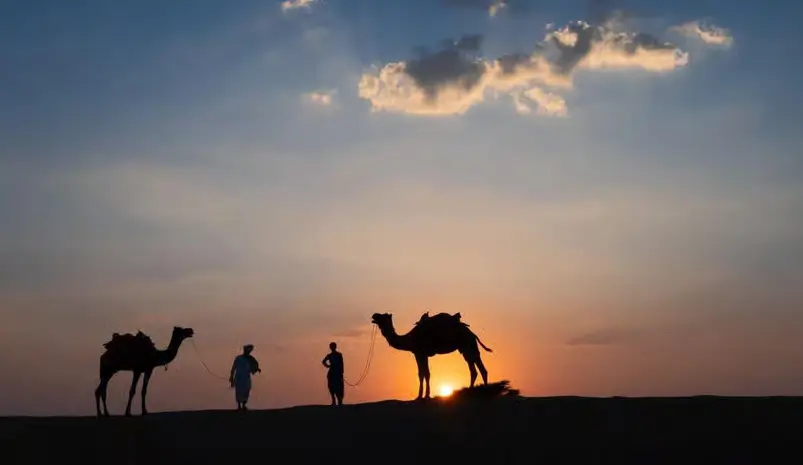
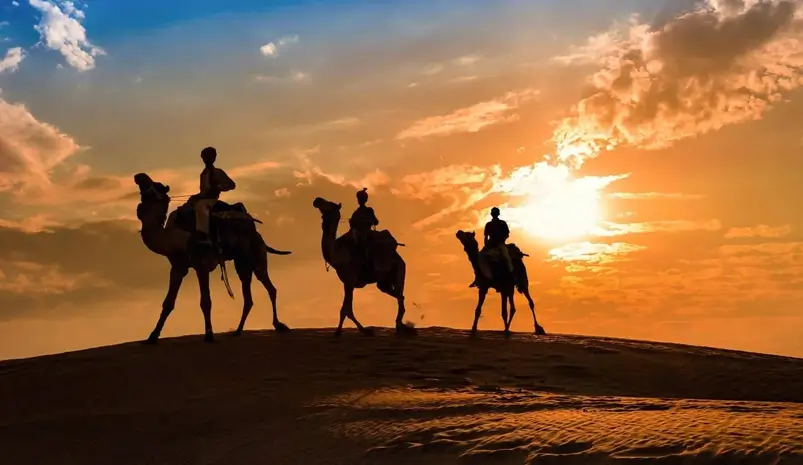
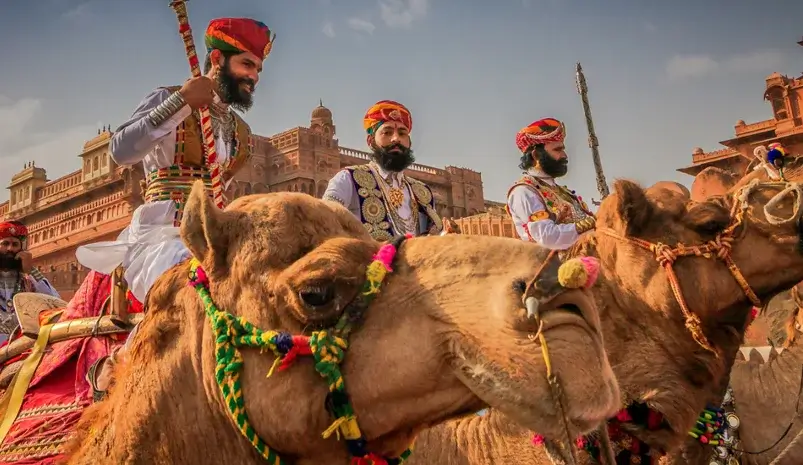
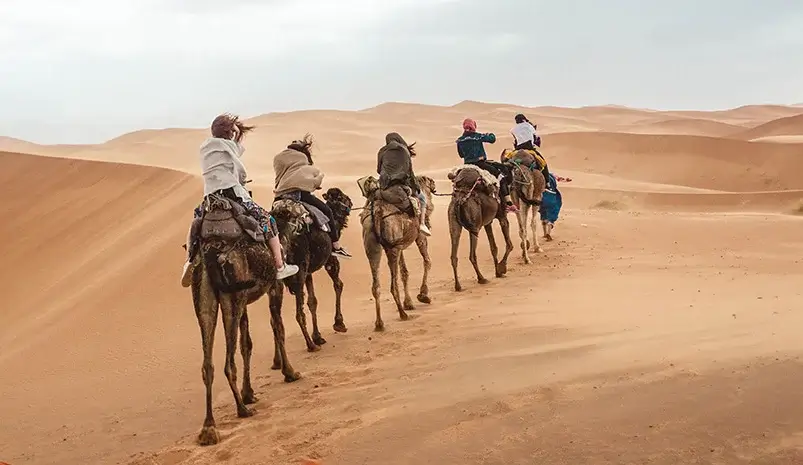
As the winter sun casts its gentle glow over the Thar Desert, it erupts in its most famous celebrations in Rajasthan. The Desert Festival in Jaisalmer transforms the golden sands into a stage unlike any other. Imagine the scene: turbaned men with handlebar mustaches competing for honors, their faces the very picture of Rajasthani pride. Camels adorned with tassels and mirrors race across the dunes, their awkward galloping gait belying surprising speed. As night falls, fire dancers perform against the backdrop of Sam Sand Dunes, their swirling flames painting ephemeral patterns in the darkness.
Just weeks earlier, Bikaner pays homage to its most beloved resident - the camel. The Bikaner Camel Festival is a whimsical celebration where these ships of the desert become the stars of elaborate parades. Owners spend months preparing their animals, braiding their hair and decorating them with ornate saddles. The festival reaches its crescendo with the camel beauty pageant, where judges scrutinize everything from the curve of a hump to the length of eyelashes.
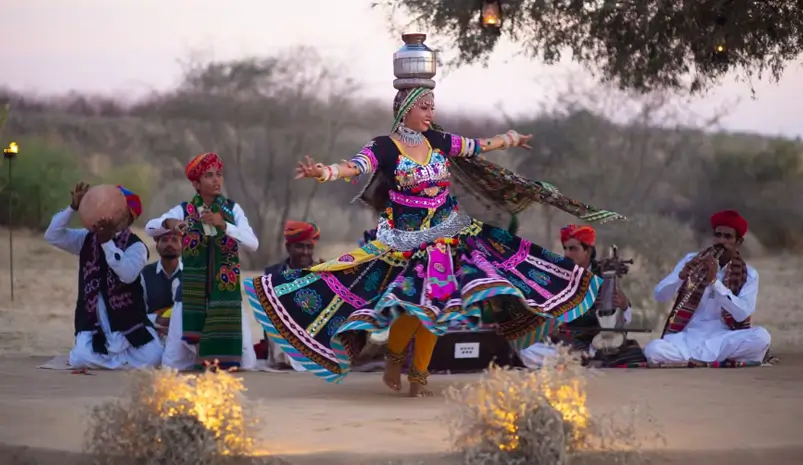
As winter's chill fades, Rajasthan welcomes spring with festivals that blend devotion with joyous celebration. The Gangaur Festival sees Jaipur transformed into a sea of red and gold. Women dressed in their finest ghagras carry ornate idols of Goddess Gauri through the streets, their jewelry catching the sunlight. The air fills with the scent of ghewar sweets being prepared in makeshift stalls, their honeycomb texture dripping with syrup.
In Ajmer, the Urs festival at the Dargah of Khwaja Moinuddin Chishti creates a spiritual atmosphere unlike any other. For three days and nights, the shrine becomes the heart of Sufi devotion in India. Qawwali singers pour their souls into rhythmic hymns that have echoed through these courtyards for eight centuries. The scent of rose petals and incense mixes with the communal kitchen's aroma, where volunteers prepare food for thousands of pilgrims.
When the monsoon rains finally break Rajasthan's summer heat, the state celebrates with Teej. Jaipur's women emerge in their brightest green outfits, the color symbolizing new life. The streets fill with the sound of singing as women gather around elaborately decorated swings. Married women pray for their husbands' longevity while unmarried girls hope for good matches - all through joyful songs passed down through generations.
Bundi offers a more intimate version of the festival. At Kajli Teej, the town's ancient stepwells become natural amphitheaters for folk performances. The haunting kajli songs tell stories of separation and longing, their melancholy melodies belying the festival's celebratory nature.
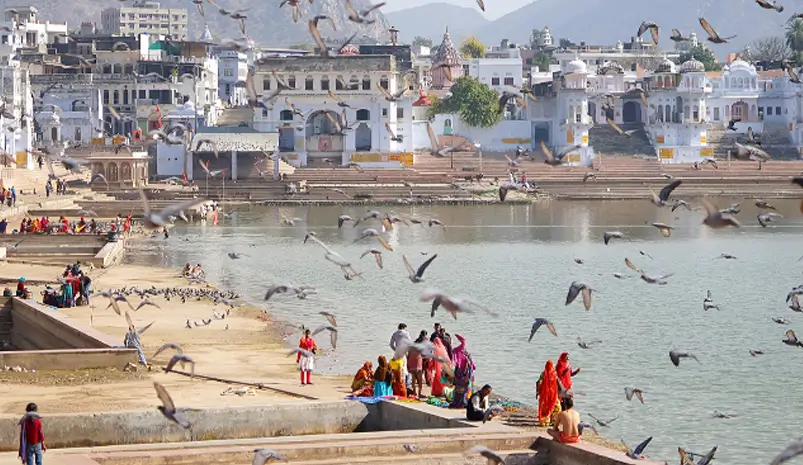
As the weather cools, Rajasthan's festival calendar reaches its zenith. The Pushkar Camel Fair transforms the sacred town into a kaleidoscope of activity. What begins as a livestock market - where thousands of camels are bought and sold - becomes a cultural extravaganza. Turban-tying competitions, longest mustache contests, and bridal races fill the days, while evenings bring folk performances under the stars.
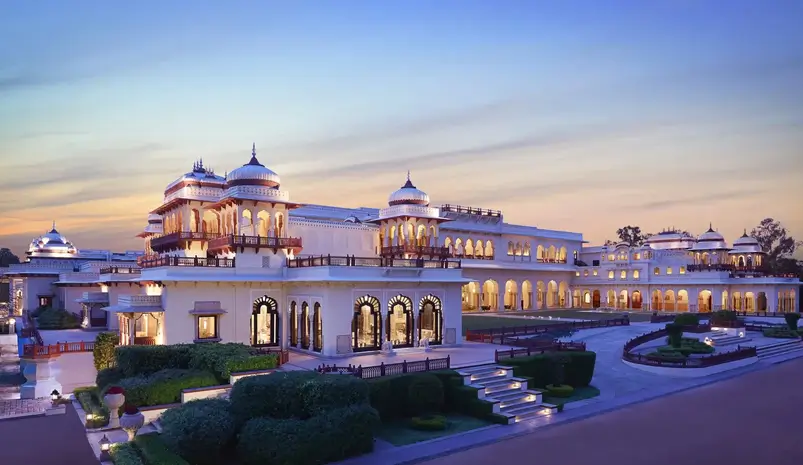
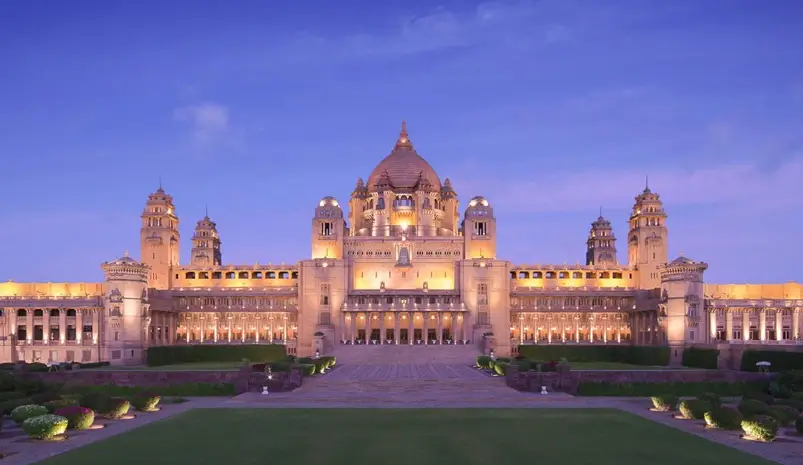
Simultaneously, Jodhpur's Marwar Festival celebrates the region's martial heritage. Polo matches played on horseback (and sometimes camels) showcase the skills that once made Marwari warriors legendary. The haunting strains of Maand music - Rajasthan's classical folk style - fill the air at Umaid Bhawan Palace, where performances continue late into the night.
Attending these festivals offers more than just photo opportunities - it provides a window into Rajasthan's soul. The Desert Festival showcases the Thar's hardy spirit, Gangaur reveals the matriarchal heart of Rajasthani culture, and Urs demonstrates the region's religious pluralism. Each celebration tells a different chapter of Rajasthan's story.
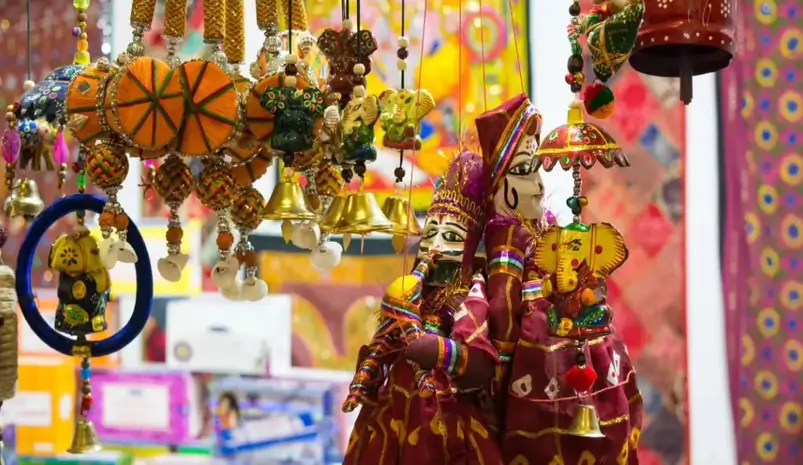
For travelers, these festivals also offer rare opportunities to witness arts that are disappearing elsewhere. The Langa and Manganiyar musicians performing at Marwar Festival represent musical lineages stretching back centuries. The puppeteers at Pushkar preserve stories that would otherwise be lost. By attending, visitors help sustain these traditions.
Practical considerations matter too. While Rajasthan's summers can be brutally hot, festival seasons coincide with pleasant weather. October-February offers cool mornings and warm days perfect for outdoor celebrations. Accommodations do fill quickly though booking six months in advance for Pushkar or Desert Festival is advisable.
Rajasthan's festivals remind us that culture isn't static. These celebrations evolve each year, blending ancient rituals with contemporary influences. The camel races now include commentary over loudspeakers, the Gangaur processions incorporate modern fashion elements, yet the essence remains unchanged.
To experience these festivals is to understand what makes Rajasthan extraordinary. It's hearing the desert's silence between qawwali verses at Urs. It's tasting the first bite of monsoon-season ghewar at Teej. It's the shared smile with a local woman as you both adjust your odhnis during Gangaur. These moments stay with travelers long after the festivals end, becoming not just memories but part of one's personal story.
In 2025, let Rajasthan's festival calendar guide your journey. Come for the spectacle, stay for the soul, and leave with stories that will color your memories forever.
The Pushkar Camel Fair creates an unparalleled visual spectacle with its mass camel trading, vibrant competitions, and sacred lake rituals - a photographer's dream.
Jaisalmer hotels require 4-6 month advance bookings for the Desert Festival (January 17-19, 2025), especially heritage properties near Sam Sand Dunes.
Absolutely. Gangaur and Teej specifically celebrate women's culture. Opt for organized tours during Holi/Elephant Festival for added convenience.
Bundi's intimate scale allows authentic interactions with local artists. The palace illumination and kavad storytelling performances are exclusive highlights.
The Marwar Festival in Jodhpur showcases rare Maand folk music - the classical tradition of desert bards - performed at Umaid Bhawan Palace.
Pushkar and Desert Festival involve walking on sand. Elderly travelers may prefer seated events like Jaipur's Elephant Festival or Shekhawati cultural shows.
Modest, breathable cotton works best. For Gangaur/Teej, many shops rent traditional ghagras. Neutral tones recommended for Holi (colors show less).
Urs (May 23-25) coincides with Ramadan - visitors should dress conservatively near Ajmer Sharif and avoid eating publicly during daylight hours.
Shekhawati Festival features master artisans from the fresco region, while Pushkar's makeshift markets offer nomadic jewelry and leatherwork.
Professional equipment needs permits at some events. The Desert Festival's moustache competition and Pushkar's bathing rituals have strict drone prohibitions.
Stick to freshly cooked hot items (like Dal Baati at Pushkar). Avoid uncooked chutneys during monsoon festivals and carry rehydration salts.
While rain enhances Teej's romantic atmosphere, some processions may get rescheduled. Bundi's Kajli Teej continues beautifully under covered stepwells.
The Shekhawati Festival (Feb-Mar) in Mandawa sees fewer tourists than major events, offering more personal interactions with artists.
Private drivers are ideal for covering multiple events. Book trains early for Pushkar Fair (October 25-November 2) when routes get overwhelmed.
Support local artisans directly, use eco-friendly colors during Holi, and choose homestays that reinvest in community festival traditions.