Rajasthan, the vibrant land of royalty and rich traditions, has long been celebrated not only for its magnificent forts and colorful culture but also for its exquisite handicrafts. These traditional art forms - stone carving, block printing, blue pottery, zardozi and miniature paintings - are not merely decorative crafts; they represent the livelihood and cultural identity of countless Rajasthani families. Passed down through generations, these skills continue to thrive, blending ancient techniques with contemporary demand.
For travelers and art enthusiasts, Rajasthan offers a unique opportunity to witness these art & crafts in Rajasthan in their authentic settings from small village workshops to bustling urban markets. This blog delves into the history, craftsmanship and cultural significance of these art forms, while also providing insights into where you can experience them firsthand during your visit to Rajasthan.
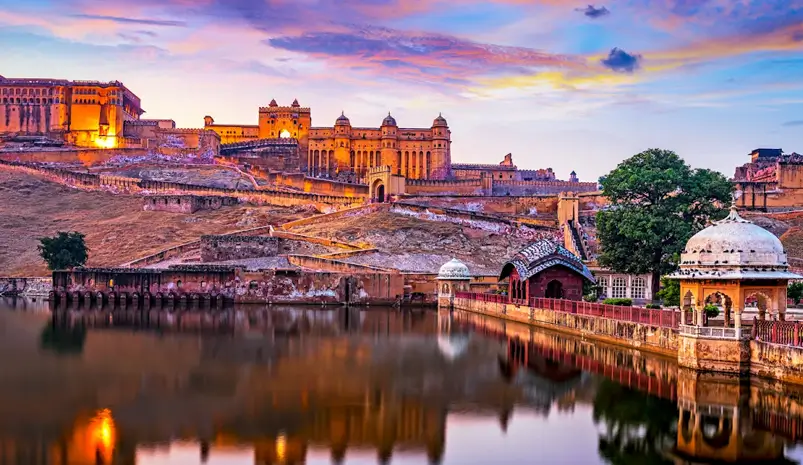
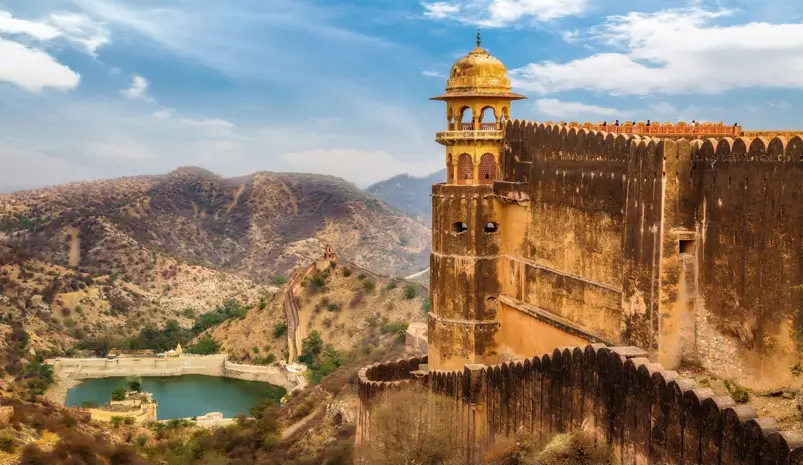
The art of stone carving in Rajasthan is as old as its grandest monuments. Walking through the state, one can witness the mastery of Rajasthani artisans in the intricate carvings adorning temples, palaces, and havelis. The Dilwara Temples in Mount Abu, for instance, showcase some of the finest marble carvings in the world, with delicate floral patterns and religious motifs carved with astonishing precision. Similarly, the golden sandstone sculptures of Jaisalmer Fort and the detailed craftsmanship at Amer Fort in Jaipur stand as testaments to the skill of these artisans.
The process of stone carving is labor-intensive and requires patience. Artisans begin by selecting the right stone - marble, sandstone or soapstone - sourced from local quarries. The design is first sketched onto the stone, and then, using hammers and chisels, the craftsmen meticulously carve out the patterns. The final step involves polishing the stone to bring out its natural luster. Visitors to Rajasthan can explore stone-carving workshops in Jaipur, particularly near Amer Fort, where artisans demonstrate their craft. Markets in Jodhpur and Udaipur also offer beautifully carved souvenirs, from small decorative items to larger sculptures. Purchasing these pieces directly from the artisans not only supports their livelihoods but also helps preserve this ancient craft.
Rajasthan’s textile heritage is world-renowned, with block printing being one of its most distinctive crafts. The state is home to several unique styles of block printing, including Bagru, Sanganeri and Dabu, each with its own history and technique. Bagru printing, for example, is known for its earthy tones and geometric patterns, created using natural dyes. Sanganeri prints, on the other hand, feature delicate floral designs, often in vibrant colors, while Dabu printing uses a mud-resist technique to create striking patterns.
The process of block printing is a fascinating blend of artistry and precision. Artisans hand-carve intricate designs onto wooden blocks, which are then dipped in natural dyes and stamped onto fabric. The fabric is sun-dried and washed to set the colors, resulting in textiles that are both beautiful and durable. Travelers can witness this craft in action in villages like Bagru and Sanganer, near Jaipur, where generations of printers continue to practice their trade. Many workshops offer demonstrations and even hands-on experiences for visitors. For those looking to purchase authentic block-printed textiles, markets in Jaipur, Jodhpur and Udaipur are ideal destinations.
One of Rajasthan’s most distinctive crafts is blue pottery, a technique believed to have been introduced by Persian artisans. Unlike traditional pottery, blue pottery is made from a unique blend of quartz, glass and Multani mitti (fuller’s earth), giving it a distinctive glaze and durability. The craft flourished in Jaipur under the patronage of Maharaja Ram Singh II and today, the city remains the epicenter of blue pottery production.
Creating blue pottery is a meticulous process. The base is first molded into the desired shape, after which artisans hand-paint intricate designs using cobalt blue, turquoise, and white pigments. The pieces are then glazed and fired at low temperatures to achieve their signature glossy finish. Jaipur is the best place to explore this craft, with workshops like Kripal Kumbh and Jaipur Pottery House offering insights into the process. Government emporiums also stock authentic blue pottery, ensuring visitors take home genuine pieces.
Rajasthan’s royal courts were once hubs of artistic excellence and two crafts that thrived in this environment were zardozi (gold embroidery) and miniature paintings. Zardozi, a form of intricate embroidery using gold and silver threads, was traditionally used to adorn royal garments and bridal wear. Today, it remains a sought-after craft, particularly in Jaipur and Udaipur. Miniature paintings, another royal art form, depict mythological scenes, royal portraits, and nature in exquisite detail. Using natural pigments and fine squirrel-hair brushes, artists create these tiny masterpieces, which are now prized collectibles. Cities like Nathdwara, Kishangarh and Jaipur are renowned for their miniature painting traditions.
For those eager to explore Rajasthan’s handicrafts, visiting artisan villages and workshops is a must. Shilpgram in Udaipur and Bagru near Jaipur offer great experiences, allowing visitors to watch artisans at work and even try their hand at some crafts. Markets like Jaipur’s Johari Bazaar and Jodhpur’s Sardar Market are treasure troves of handmade goods, from textiles to pottery.
When purchasing handicrafts, buying directly from artisans or government-certified emporiums ensures authenticity and fair compensation for the craftsmen. Bargaining is common in markets, but it should be done respectfully, keeping in mind the effort and skill that goes into each piece.
Rajasthan’s handicrafts are more than just souvenirs; they are a living link to the state’s rich cultural past. By appreciating and supporting these crafts, travelers play a role in preserving them for future generations. Whether it’s a block-printed scarf, a piece of blue pottery, or a miniature painting, each handmade item carries with it a story of tradition, skill, and resilience.
For anyone visiting Rajasthan, taking the time to explore its handicrafts is not just a shopping experience - it’s a journey into the heart of its culture. By exploring Rajasthan’s handicrafts, you not only take home beautiful memories but also contribute to sustaining these timeless traditions. Whether you’re an art lover, a history enthusiast or a curious traveler, the state’s crafts offer a window into its soul.
Rajasthani handicrafts are renowned for their intricate designs, vibrant colors, and the use of traditional techniques passed down through generations. Each craft reflects the state’s rich cultural heritage.
Jaipur, particularly near Amer Fort, is an excellent place to witness stone carving. The Dilwara Temples in Mount Abu and Jaisalmer Fort also showcase stunning examples.
Authentic block-printed fabrics often have slight irregularities in the print, as they are handmade. Machine-printed fabrics, in contrast, are more uniform.
Bagru prints use earthy tones and geometric patterns, while Sanganeri prints feature delicate floral designs in brighter colors.
The name comes from the distinctive cobalt blue dye used in the designs, which is a hallmark of this craft.
Yes, many workshops in Jaipur, Udaipur, and Bagru offer short courses where visitors can learn these crafts from skilled artisans.
Popular souvenirs include block-printed textiles, blue pottery, miniature paintings, and stone-carved items.
Purchase from government emporiums, certified cooperatives, or directly from artisan workshops to ensure authenticity.
Miniature paintings originated in Mughal courts and later flourished in Rajput kingdoms, depicting royal life, mythology, and nature.
The Jaipur Handicrafts Fair and Shilpgram Fair in Udaipur are great opportunities to see and purchase authentic Rajasthani crafts.
Common natural dyes include indigo (blue), pomegranate peel (yellow), turmeric (golden), and madder root (red).
Depending on the complexity, a single piece can take anywhere from a few hours to several days to complete.
Yes, bargaining is common, but it should be done politely and with respect for the artisan’s work.
Zardozi, once reserved for royalty, symbolizes luxury and craftsmanship. It is often used in bridal wear and festive garments.
Buying directly from artisans, visiting their workshops, and spreading awareness about their crafts are great ways to support them.