Top Traditional Festivals in Rajasthan: From Camel Fair to RIFF
Rajasthan, the Land of Kings, is a vibrant tapestry of culture, tradition, music and heritage. From royal processions and folk dances to religious ceremonies and desert fairs, the state comes alive throughout the year with traditional festivals that reflect its deep-rooted heritage. These festivals aren’t just celebrations - they’re great experiences that captivate cultural travelers, history buffs and photographers alike. If you’re planning a trip to Rajasthan or looking to capture India’s cultural richness through your lens, here are the top traditional festivals you must experience. Let’s explore the top traditional festivals in Rajasthan, the most iconic ones - Jodhpur RIFF, Marwar Festival, Gangaur, Teej, and the Kolayat Camel Fair.
1. Jodhpur RIFF (Rajasthan International Folk Festival)
Held in the majestic Mehrangarh Fort in Jodhpur, RIFF is a unique blend of traditional and contemporary music. Organized around Sharad Purnima, the brightest full moon of the year, this four-day festival is dedicated to preserving and promoting the folk music of Rajasthan and beyond.
Why RIFF Stands Out
- Features over 250 musicians and performers from across the globe.
- Showcases indigenous Rajasthani musical forms like Manganiyar and Langa.
- Offers sunrise and sunset concerts, storytelling sessions, dance performances, and workshops.
Best For:
- Cultural travelers who want to experience authentic Indian folk music.
- Photographers looking to capture rich visuals of traditional instruments, costumes, and architectural backdrops.
Travel Tips:
- Book your tickets and accommodations in advance.
- Dress comfortably but respectfully—many events are held inside the fort.
- Early mornings and late evenings provide the best lighting for photography.
2. Marwar Festival (Jodhpur)
Dedicated to the valor and romantic lifestyle of Rajasthan's rulers, the Marwar Festival takes place in Jodhpur, usually in October. Unlike other fairs, this one focuses heavily on music, dance, and storytelling traditions that glorify Rajasthan's princely past.
Highlights:
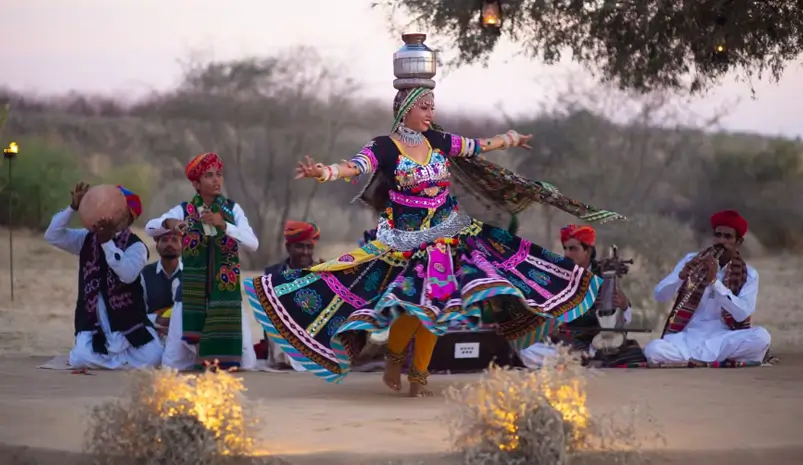
- Folk dance forms like Kalbeliya and Ghoomar.
- Horse and camel shows showcasing desert skills.
- Live music performances of heroic ballads and traditional tales.
For the Lens:
- Vivid costumes of performers.
- Sunset shots of Mehrangarh Fort during performances.
- Cultural portraits of musicians and locals in traditional attire.
Good to Know:
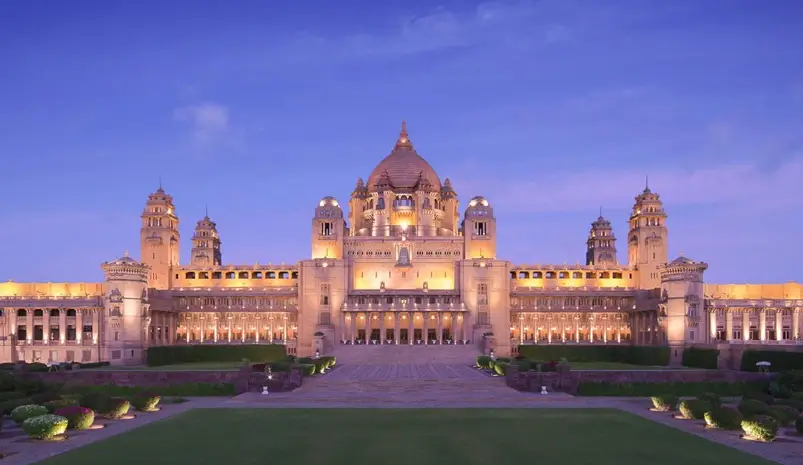
- Events are held at iconic locations such as Umaid Bhawan Palace and Mehrangarh Fort.
- It often coincides with post-monsoon travel season—ideal weather for sightseeing.
3. Gangaur Festival (Jaipur, Udaipur, Bikaner)
One of Rajasthan's most important festivals, Gangaur celebrates Goddess Gauri (Parvati), symbolizing marital harmony and feminine strength. Women dress in their finest traditional clothes, carry ornate idols of the goddess in procession, and sing devotional songs.
Cultural Significance:
- A 16-day festival following Holi, mainly observed by married women and young girls.
- Girls pray for good husbands, while married women pray for the well-being of their spouses.
- The festival culminates in colorful processions featuring elephants, chariots, dancers, and drummers.
Visual Delights:
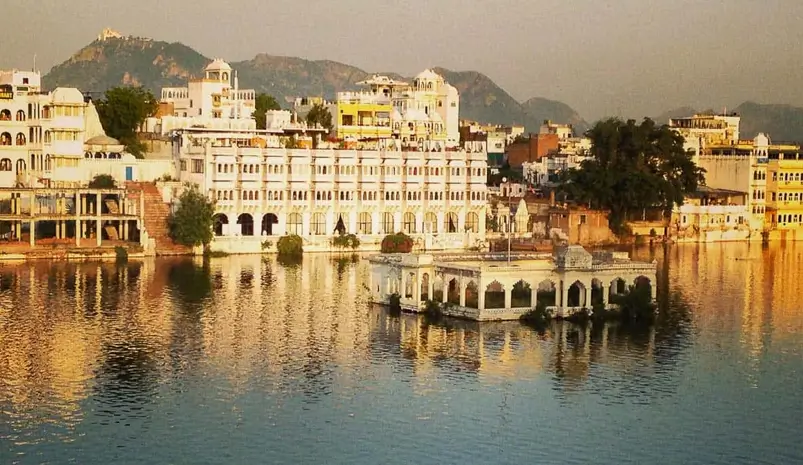
- Processions in Jaipur’s old city and on the ghats of Lake Pichola in Udaipur.
- Women dressed in lehengas, wearing intricate jewelry and mehndi.
- Traditional brass pots, palanquins, and beautifully decorated idols.
Travel Tip:
- Jaipur’s Gangaur celebration is the grandest—aim to witness the royal family’s participation.
- Early arrival ensures a good spot for photography along the procession route.
4. Teej Festival (Hariyali Teej, Kajari Teej, Hartalika Teej)
Teej is a monsoon festival dedicated to Goddess Parvati and her reunion with Lord Shiva. It’s celebrated by women who dress in green attire, apply henna, sing songs, and swing from trees in decorated jhoolas (swings). There are several versions of the festival, each with its own rituals.
Main Types:
- Hariyali Teej: Celebrated in early monsoon with swing rides and green saris.
- Kajari Teej: Observed with singing of Kajari folk songs and fairs in Bundi.
- Hartalika Teej: A fasting ritual for marital bliss and wellness.
Ideal For:
- Travelers interested in women-centric celebrations and traditions.
- Photographers seeking color, motion, and emotion in one frame.
Must-Visit:
- Jaipur for processions and public celebrations.
- Bundi for the Kajari Teej Mela, filled with rural crafts, dance, and folk performances.
Shooting Tips:
- Focus on candid moments—laughter during swing rides, mehndi application, and group singing.
- Capture early morning rituals and twilight processions.
5. Kolayat Camel Fair (Bikaner)
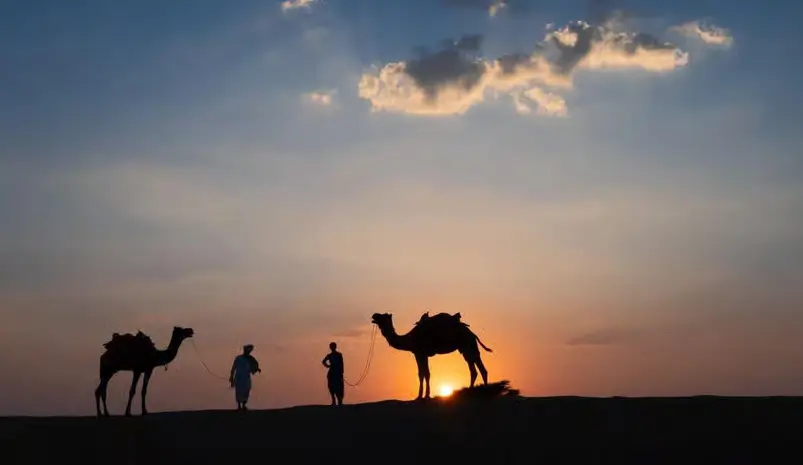
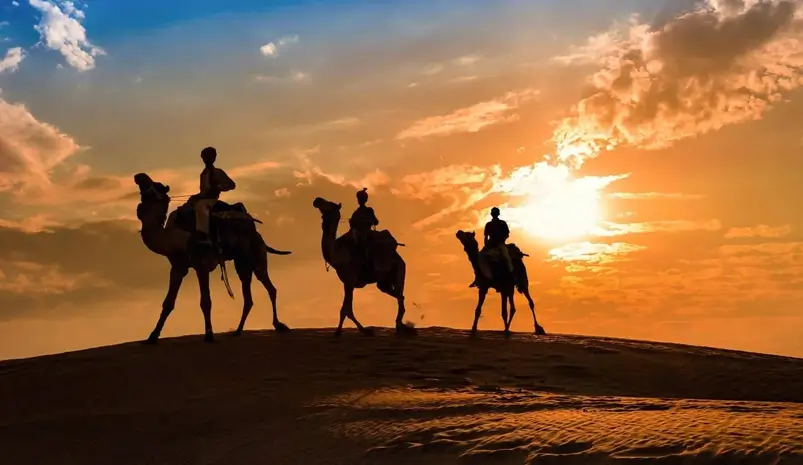
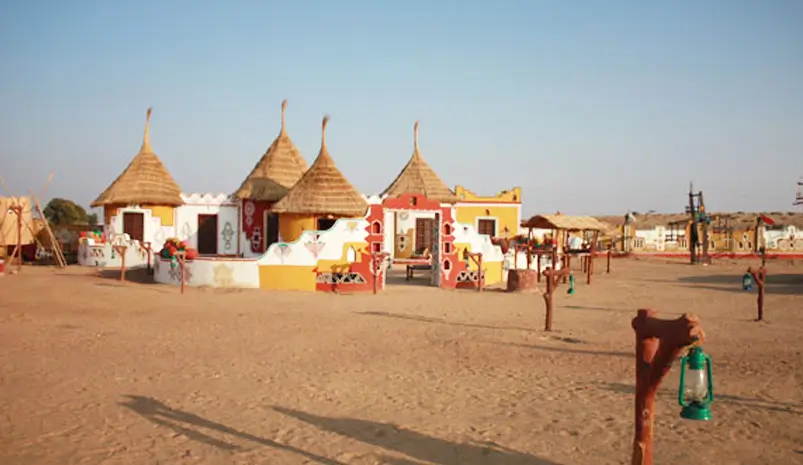
Not as globally known as the Pushkar Fair, the Kolayat Camel Fair is equally enchanting but more serene. Held near Bikaner, the festival combines religious devotion with camel trading, local crafts, and desert traditions
Religious Importance:
- Pilgrims gather at the holy Kolayat Lake to take ritual dips and offer prayers.
- Legend connects the lake to Kapil Muni, a revered sage.
Cultural Side:
- Camel races, livestock trading, and rural competitions.
- Nighttime aarti (prayer) ceremonies where thousands of oil lamps float on the lake.
Photography Notes:
- Golden hour shots of the lake reflecting lamps and pilgrims.
- Document camel herders, desert musicians, and women in regional attire.
- Desert twilight offers deep contrasts and textured imagery.
Planning Your Rajasthan Festival Experience
If you want to experience multiple festivals in Rajasthan in one journey, here’s a suggested route:
- Start in Jaipur (March–April or July–August) for Gangaur or Teej.
- Head to Bundi for the Kajari Teej fair.
- Move west to Jodhpur for Marwar Festival and RIFF (October).
- End in Bikaner with the Kolayat Camel Fair in November.
- This circuit allows you to experience the spiritual, musical, artistic and pastoral dimensions of Rajasthani culture.
Tips for Festival Photographers
- Always ask for permission when taking close-up shots of people, especially during rituals.
- Avoid flash during performances or religious events—it’s disruptive and often not allowed.
- Travel light but smart: a good zoom lens, a prime lens for portraits, and a compact tripod work best.
- Capture context: Don’t just shoot subjects—include backgrounds, architecture, crowds, and atmosphere.
- Tell a story: Sequence your photos to narrate the festival's progression—from preparations to celebration to conclusion.
Conclusion
Rajasthan’s festivals are much more than local gatherings—they are cultural treasures that pulse with life, spirit, and deep-rooted tradition. Each event opens a window into the soul of its people, telling stories of resilience, joy, devotion and artistry. For travelers, these festivals are an opportunity to not just witness tradition, but to live it. Whether you’re attending the majestic Jodhpur RIFF, being swept up in the festive energy of Gangaur, marveling at the devotion during Teej, or exploring the rustic charm of the Kolayat Camel Fair, Rajasthan offers a rare cultural spectacle that you won’t find anywhere else in the world.
The best part? You don’t have to choose just one. With careful planning, you can experience multiple festivals in a single trip, immersing yourself in different aspects of Rajasthan’s vibrant culture—from spiritual rituals and folk music to artisan markets and camel parades. So, pack your curiosity, your camera, and your sense of wonder—Rajasthan is ready to welcome you with open arms, traditional music and a riot of color.
Frequently Asked Questions :
What are the most popular traditional festivals in Rajasthan?
- Jodhpur RIFF (Rajasthan International Folk Festival)
- Gangaur Festival
- Teej Festival
- Marwar Festival
- Kolayat Camel Fair
- Pushkar Camel Fair (often considered alongside Kolayat)
- Desert Festival in Jaisalmer
When is the Jodhpur RIFF held every year?
Jodhpur RIFF is held annually in October, during the time of the Sharad Purnima full moon. The exact dates vary each year according to the lunar calendar, but it typically falls in the first or second week of October. The event spans 4–5 days and is hosted at Mehrangarh Fort in Jodhpur.
What makes Marwar Festival in Jodhpur unique?
The Marwar Festival celebrates the valor and romance of Rajasthan’s Rajput warriors. It’s unique because it: Focuses entirely on folk music, dance, and storytelling from the Marwar region. Highlights performances that glorify the heroic deeds of Rajput kings.
Is set against iconic backdrops like Mehrangarh Fort and Umaid Bhawan Palace.
Includes camel and horse shows, folk competitions, and artisan displays.
Which cities celebrate Gangaur festival with the most grandeur?
- Jaipur – With royal processions, decorated elephants, and participation of the former royal family.
- Udaipur – Processions proceed along the scenic Lake Pichola.
- Bikaner and Jodhpur – Known for their vibrant street festivities and decorated idols of Goddess Gauri.
What is the cultural significance of the Teej festival in Rajasthan?
Teej celebrates the union of Lord Shiva and Goddess Parvati. It marks the arrival of the monsoon season, symbolizing fertility and renewal. The festival is especially significant for women, as they:
- Observe fasts for the health and longevity of their husbands.
- Dress in green, wear jewelry, and apply mehndi.
- Take part in singing, dancing, swinging rituals, and religious processions.
Where can I attend the Kajari Teej Mela in Rajasthan?
- Local music and folk dance performances.
- Artisan markets, sweet stalls, and rural games.
- Processions of Goddess Teej (Parvati) with traditional drums and dancers.
- Bundi’s narrow lanes, blue houses, and historical stepwells also make for great travel photography.
How is Kolayat Camel Fair different from Pushkar Camel Fair?
- Kolayat is more devotional, centered around the holy Kolayat Lake, where pilgrims bathe and perform rituals.
- It is quieter and less commercial than Pushkar, offering a more intimate experience.
- It is less crowded, making it ideal for photographers and travelers seeking authenticity.
- Pushkar is more well-known internationally, whereas Kolayat offers a more local vibe.
What’s the best time to photograph Rajasthan festivals?
The best times for festival photography in Rajasthan are:
- Early morning (sunrise) – Ideal for capturing rituals, light rays, and candid shots.
- Late afternoon to dusk – Perfect for soft natural lighting during processions.
- Evenings with lamps (aarti or puja) – Capture the warm glow of oil lamps and dramatic shadows.
Can tourists participate in traditional Rajasthani festivals?
Yes, tourists are welcome and encouraged to participate in most traditional festivals. While some rituals are sacred and reserved for locals, visitors can:
- Join in the public processions.
- Attend concerts, fairs, and workshops.
- Taste traditional foods and explore markets.
- Interact with locals to understand the deeper meaning of the celebrations.
- Just be respectful of cultural boundaries, and always ask before taking photos of individuals.
Are there entry fees for events like Jodhpur RIFF?
Yes, Jodhpur RIFF and a few other organized cultural festivals may have:
- Ticketed entry for specific performances (especially evening or special acts).
- Free events or workshops open to the public during the day.
- Discounts for early bird bookings or passes for multiple shows.
- Fairs like Kolayat or Teej generally have free public access, unless a specific venue hosts a private event.
Is it safe to travel to Rajasthan during festival seasons?
- Expect crowds in popular cities like Jaipur, Jodhpur, and Udaipur.
- Book accommodations in advance to avoid last-minute surcharges.
- Be cautious of pickpockets in crowded bazaars and markets.
- Respect religious sentiments and avoid entering sacred areas without permission.
What should I wear while attending festivals in Rajasthan?
- Dress modestly: Cover your shoulders, knees, and chest.
- Go colorful with bright colors are appreciated and reflect the spirit of celebration.
- Women can wear salwar kameez or sarees; men can opt for kurta-pajamas.
- Wear comfortable shoes for walking and standing during processions.
Are professional cameras allowed at Rajasthan festivals?
- Jodhpur RIFF and some palace-based events may restrict professional gear without permits.
- Local fairs and processions allow DSLRs and mirrorless cameras.
- Avoid using flash or drones without explicit permission.
- Respect privacy—ask before photographing people, especially women or religious rituals.
How can I plan a cultural itinerary around Rajasthan’s festival calendar?
- March–April: Attend Gangaur in Jaipur or Udaipur.
- July–August: Visit Bundi for Kajari Teej and Jaipur for Hariyali Teej.
- October: Head to Jodhpur for RIFF and Marwar Festival.
- November: Wrap up with the Kolayat Camel Fair near Bikaner.
- This covers diverse experiences—from musical to devotional and market-driven events.
Which Rajasthan festivals are best for capturing folk dance and music?
- Jodhpur RIFF – For curated performances by local and global artists.
- Marwar Festival – For raw, traditional folk dances like Kalbelia and Ghoomar.
- Kajari Teej Mela – For folk singing and rural women’s group dances.
- Pushkar & Kolayat Fairs – For desert musicians and impromptu performances by camel herders.