Rajasthan, the Land of Kings, is not just about majestic forts, palaces and desert landscapes - it’s also a sparkling treasure trove for jewellery lovers. Known for its centuries-old craftsmanship, royal patronage and unique design traditions, the state offers some of India’s most exquisite gems and ornaments. From shimmering Kundan and Polki sets to vibrant Lac bangles and intricate Meenakari pieces, Rajasthan’s jewellery tells stories of opulence, heritage, and artistry.
For travellers, exploring Rajasthan’s jewellery markets is more than just shopping - it’s a cultural journey into the heart of Indian craftsmanship. Whether you’re looking for a bridal set, a handcrafted souvenir, or a unique gemstone, this guide will help you navigate the best cities, markets, and workshops to buy authentic Rajasthani jewellery.
Jewellery in Rajasthan dates back to the royal courts of Rajput kings and queens, where adornments symbolised status, heritage, and identity. Crafts like Kundan (stone setting with gold foil), Polki (uncut diamond jewellery) and Meenakari (enamel work) flourished under royal patronage, particularly in Jaipur, which became the hub for gemstone cutting and jewellery making. Other regions developed their own specialities - Bikaner perfected Thewa work, Jaisalmer is famous for tribal silver jewellery, and Udaipur is known for colourful Lac bangles. Over generations, these styles have been preserved and adapted, making Rajasthan one of the most diverse jewellery destinations in the world.
If Rajasthan is the crown of India’s jewellery heritage, Jaipur is undoubtedly the sparkling gem at its centre. Often called the Pink City, Jaipur has been a thriving hub for precious stones, intricate craftsmanship, and heritage jewellery styles for centuries. Under royal patronage, the city became a major centre for gemstone cutting, polishing, and ornament-making — a legacy that continues to this day. From age-old family-run shops tucked into the bustling lanes of Johari Bazaar to sleek, modern showrooms on MI Road, Jaipur offers an unmatched variety for jewellery lovers from around the world.
Where to Shop in Jaipur
Special Jaipur Jewellery Styles
Travel Tip: Always buy from certified jewellers and ask for hallmarked gold or silver, along with a gemstone authenticity certificate. This ensures you take home a piece that’s as genuine as it is beautiful.
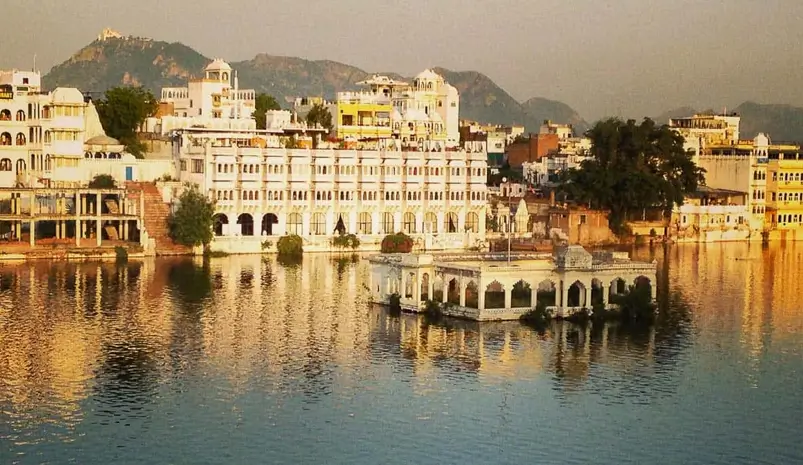
Udaipur’s lakes and palaces set the perfect backdrop for jewellery shopping. The city is known for its royal-inspired designs and traditional crafts.
Where to Shop in Udaipur
Special Udaipur Jewellery Styles
Travel Tip: Combine jewellery shopping with a boat ride on Lake Pichola for a complete Udaipur experience.
The Blue City of Rajasthan is another hub for jewellery lovers, especially if you adore chunky silver pieces.
Where to Shop in Jodhpur
Special Jodhpur Jewellery Styles
Bikaner is famous for Thewa jewellery — an intricate art form where 23K gold sheets are fused onto coloured glass to create stunning designs.
Where to Shop in Bikaner
Travel Tip: Thewa jewellery is rare — ensure you get an authenticity guarantee.
The Golden City offers jewellery inspired by its desert heritage - bold, chunky, and full of character.
Where to Shop in Jaisalmer
Pushkar attracts international travellers with its laid-back vibe and boho-chic jewellery designs.
Where to Shop in Pushkar
For travellers who want more than just shopping, jewellery-making tours are a must. Cities like Jaipur and Udaipur offer workshops where you can:
These immersive experiences are perfect for cultural enthusiasts, design students, and jewellery lovers.
The ideal months are October to March, coinciding with Rajasthan’s tourist season. Festive periods like Diwali, Teej, and the wedding season offer more variety and better deals.
Rajasthan is more than a destination for jewellery shopping - it’s a place where history, culture, and artistry come together in every piece. Each ornament tells a story, reflecting centuries of royal patronage and traditional craftsmanship. From the regal splendour of Kundan and Polki to the vibrant charm of Lac bangles and the intricate beauty of Meenakari, every style carries its own heritage. Shopping here is an immersive cultural experience. The bustling bazaars are alive with vibrant colours, the glint of gemstones, the aroma of street food, and the hum of artisans at work. You’re not just buying jewellery — you’re connecting with generations of skilled hands that have perfected these crafts over hundreds of years. Whether it’s a delicate silver anklet from a tribal artisan or a grand bridal set from a renowned jeweller, Rajasthan ensures every purchase is a treasure filled with beauty, legacy, and timeless appeal. From the bustling lanes of Jaipur’s Johari Bazaar to the lakeside charm of Udaipur’s Hathi Pol, Rajasthan offers a jewellery shopping journey like no other. Whether you’re here for a wedding trousseau, a collector’s piece, or just a beautiful memory, the Land of Kings ensures you leave with something precious — and not just in your shopping bag, but in your heart.
Yes, MI Road and Gopalji Ka Rasta are known for certified gemstone dealers. Always request a certificate of authenticity.
Jaipur has been a centre for gemstone cutting, polishing, and traditional jewellery crafts like Kundan, Polki, and Meenakari for centuries, earning it the title of jewellery capital.
Johari Bazaar is the top choice for authentic bridal jewellery, offering everything from heavy Kundan sets to intricate Polki designs.
Yes, it’s safe as long as you buy from reputed, certified jewellers and avoid street hawkers for high-value items.
In premium showrooms, prices are usually fixed. In smaller shops and bazaars, bargaining is common.
The city is renowned for Kundan, Polki, Meenakari work, and a wide range of precious and semi-precious gemstones.
Yes, many jewellers offer custom design services, allowing you to choose stones, metals, and settings.
Look for BIS hallmarking on gold and 925 hallmark on silver. Reputable jewellers will also provide bills and certification.
Lac bangles are lightweight and beautiful but should be handled with care as they can be delicate.
October to March is ideal, especially during festivals and the wedding season when collections are at their finest.