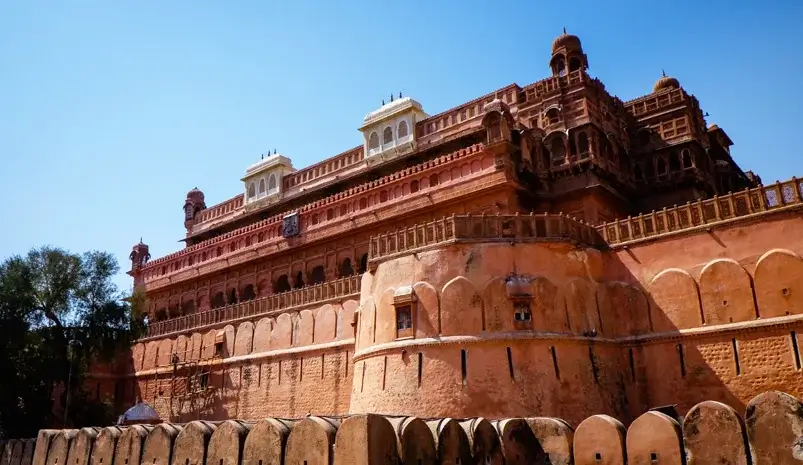
Rajasthan is often associated with majestic palaces, iconic forts and desert adventures. Jaipur, Udaipur and Jaisalmer usually take center stage in every travel itinerary. But if you’re a traveler looking to experience the soul of Rajasthan beyond its popular tourist cities, then you’re in for a treat. Hidden in the folds of this royal state are offbeat towns where time slows down, culture is raw and history lives in every street corner.
In this blog, we explore three offbeat places of Rajasthan - lesser-known yet culturally rich destinations - Bundi, Shekhawati and Alwar. Each of these towns offers a distinct flavor of heritage, tradition and rural charm, waiting to be discovered.
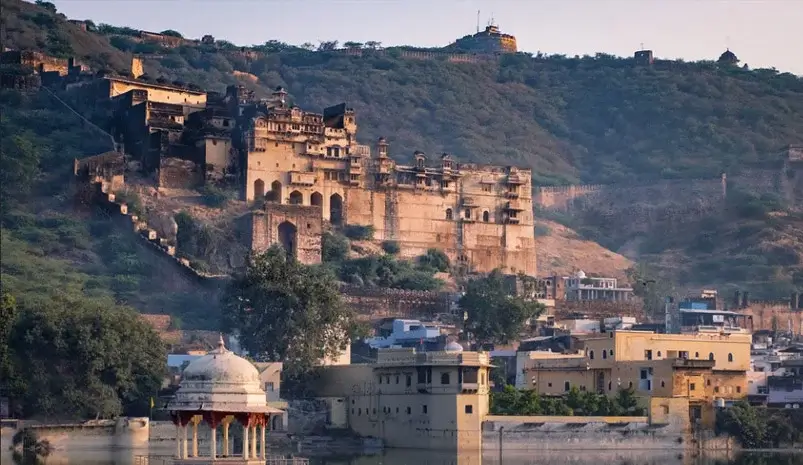
Tucked away in the Hadoti region of Rajasthan, Bundi is an untouched gem that feels like a time capsule. The town is famous for its ancient stepwells, forts, palaces and a calm that contrasts starkly with the hustle of more popular cities.
One of Bundi’s most iconic landmarks is Taragarh Fort, built in 1354. Perched atop a hill, the fort offers panoramic views of the city and features massive battlements and tunnels that whisper stories of its royal past. Below the fort lies Garh Palace, home to some of the finest examples of Bundi-style miniature paintings - vibrant murals that depict tales of mythology and royal life.
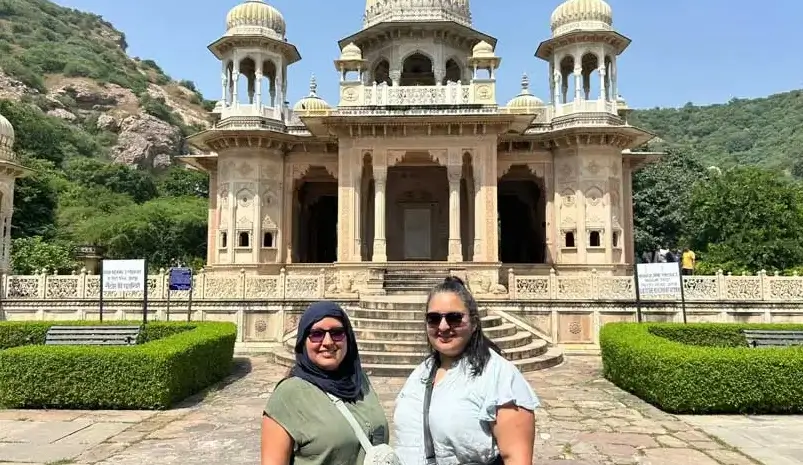
Bundi is also renowned for its intricately designed baoris or stepwells, which were once the lifeline of this desert town. Among them, Raniji ki Baori stands out for its multi-storey structure, ornate pillars and sculptures. Another must-visit is Chaurasi Khambon ki Chhatri, an 84-pillared cenotaph that beautifully blends architectural elegance with spiritual significance.
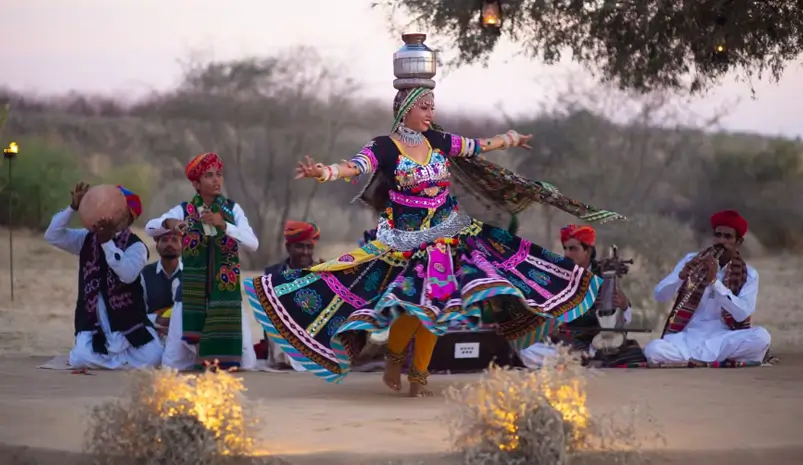
In November, Bundi comes alive with its signature event - the Bundi Utsav. This three-day festival is a vibrant celebration of local culture, featuring folk dances, music, art exhibitions, traditional sports and a mesmerizing lamp-lighting ceremony on the lake. It’s a wonderful way to experience Rajasthan’s rural traditions in their most authentic form. With its blue-washed houses, winding lanes, and artistic heritage, Bundi is perfect for travelers seeking a more relaxed and culturally deep Rajasthan experience.
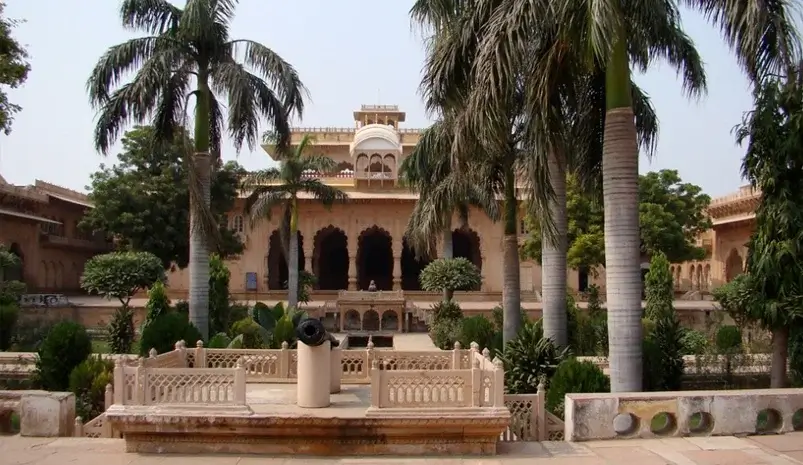
Located in the northeast part of Rajasthan, the Shekhawati region is often referred to as the world’s largest open-air art gallery. This region, comprising towns like Mandawa, Nawalgarh, Fatehpur, Ramgarh and Alsisar, is known for its elaborately frescoed havelis (mansions), which were built by wealthy Marwari merchants during the 18th and 19th centuries.
Walking through Shekhawati feels like stepping into a storybook painted on walls. Every facade is adorned with colorful murals depicting scenes from Hindu mythology, local legends, British colonial life, and even early representations of modern inventions like trains and telephones.
Mandawa is perhaps the most popular town in Shekhawati, known for its well-preserved havelis and heritage hotels. Nawalgarh houses some of the grandest mansions such as the Poddar Haveli and Morarka Haveli, which have been converted into museums showcasing antique furniture, textiles, and family heirlooms. Fatehpur, once a thriving cultural hub, still retains the charm of the Singhania and Devra havelis.
Unfortunately, many of Shekhawati’s havelis are now crumbling due to neglect. However, restoration efforts by local communities and private owners are slowly reviving their glory. Several boutique hotels and art residency programs are also helping keep the region’s heritage alive.
Shekhawati is best explored on foot or by cycle, allowing travelers to soak in the slow-paced life and hidden details. Ideal for artists, photographers, and cultural travelers, this region offers a glimpse into a bygone era of opulence, trade, and artistic patronage.
Just a few hours' drive from Delhi or Jaipur, Alwar is an offbeat blend of nature, history and mystery. It may not have the postcard appeal of Jaipur’s pink city, but its hidden charm lies in its ancient forts, forested hills, and unique folklore.
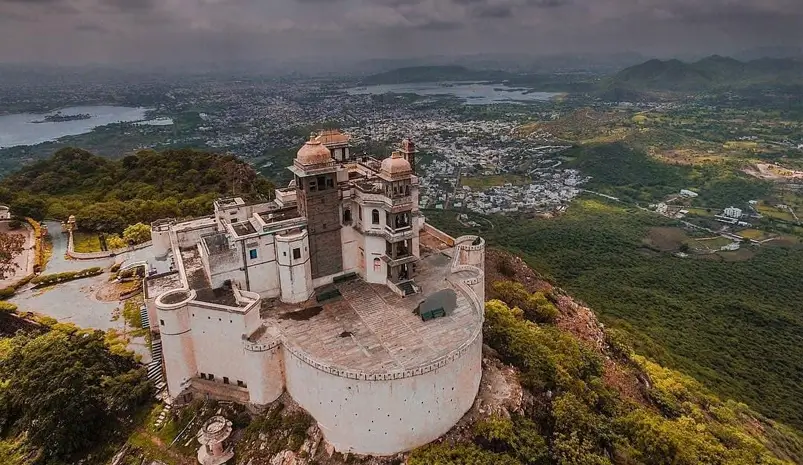
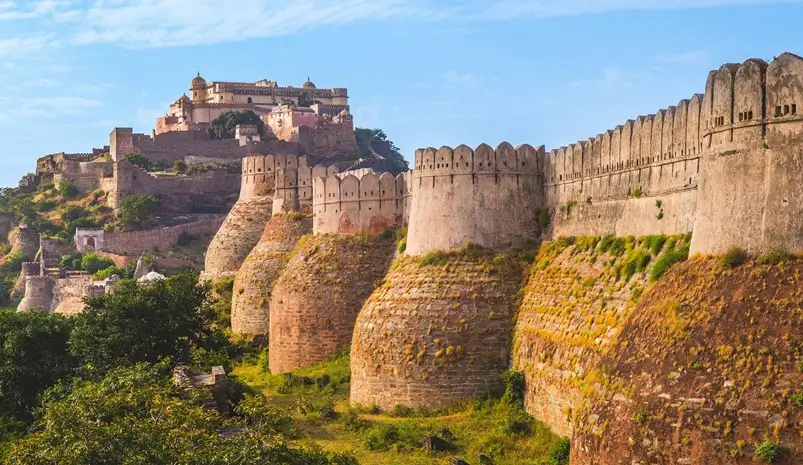
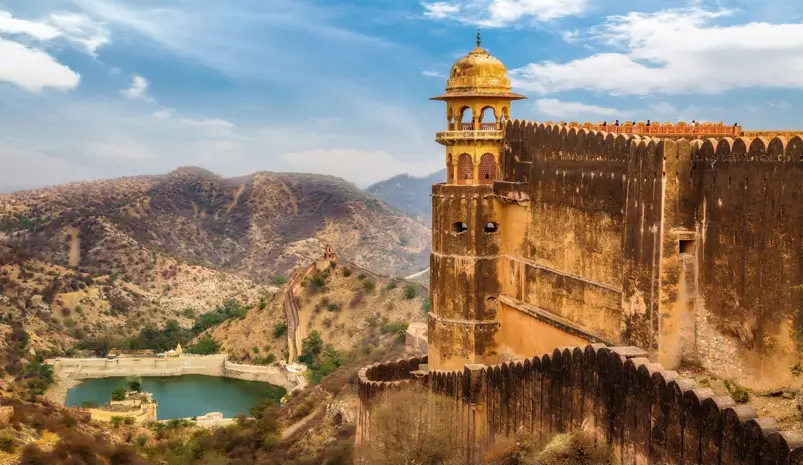
Bala Qila, Alwar’s towering hilltop fort, offers stunning views of the surrounding city and countryside. The fort is lesser-known, which means fewer crowds and a more intimate experience with its history and architecture.
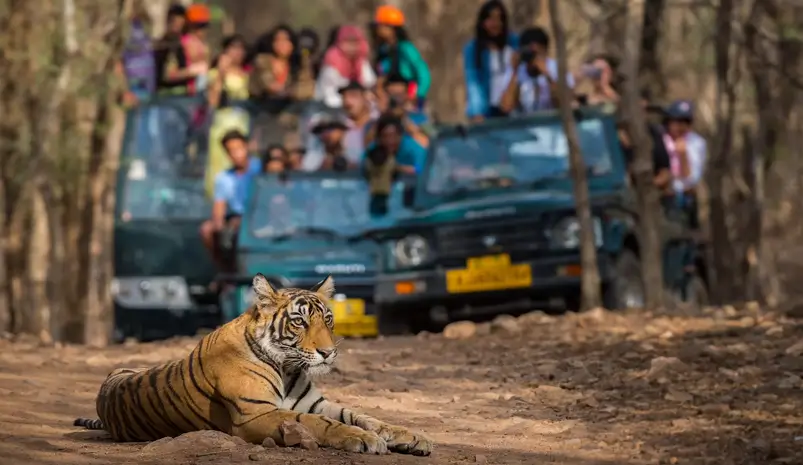
Alwar is also the gateway to the Sariska Tiger Reserve, a protected area in the Aravalli hills that is home to Bengal tigers, leopards, deer, and numerous bird species. It’s a great destination for wildlife enthusiasts looking to combine cultural sightseeing with nature safaris.
Perhaps the most talked-about attraction in Alwar is the Bhangarh Fort, often dubbed the most haunted place in India. While the legends surrounding it are part of local folklore, the ruins themselves are hauntingly beautiful and worth a visit during daylight hours.
Aside from its forts and forests, Alwar is known for its local sweet - Kalakand, a milk-based dessert that’s a must-try. The town also hosts several lakes, cenotaphs, and colonial-era buildings that add to its layered character. Alwar offers a mix of cultural exploration and natural beauty, making it a unique and offbeat stop in any Rajasthan itinerary.
Best Time to Visit: Best Time to Visit Rajasthan is October to March offers the most pleasant weather for exploring and attending local festivals.
Transport: Public transportation is limited. Hiring a private vehicle or joining small heritage tours is ideal.
Stay: Choose locally owned guesthouses or heritage stays for an authentic experience and to support local communities.
Cultural Etiquette: Dress modestly, especially when visiting temples and villages. Always ask before photographing people or private properties.
Cash vs Card: Carry cash, as many small towns and markets may not accept cards or digital payments.
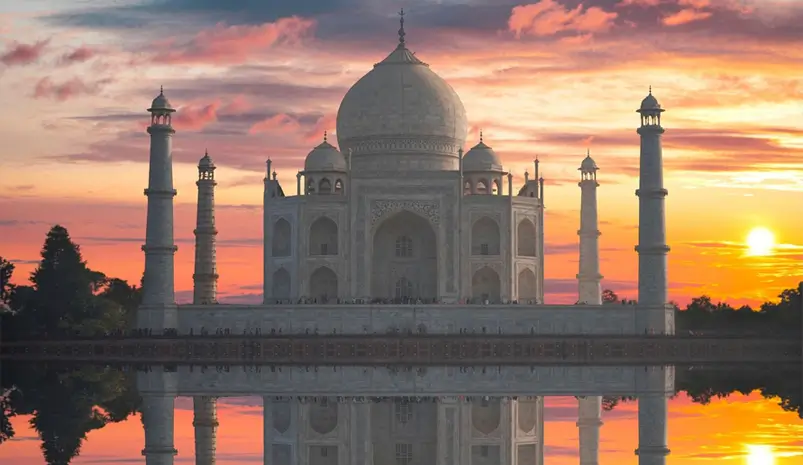
These offbeat Rajasthan towns - Bundi, the Shekhawati region and Alwar offer travellers something beyond postcard Rajasthan. From centuries‑old frescoes and stepwells to community festivals and wildlife encounters, they provide rich cultural experiences with minimal crowds. Planning an itinerary around these spots is not only rewarding for visitors, but also aligns well with growing search trends and sustainability‑oriented tourism. So pack your camera, set your route beyond the Taj, and discover Rajasthan’s hidden cultural gems!
Exploring Rajasthan beyond its mainstream destinations reveals a deeper layer of history, art, and cultural connection. Whether you're wandering the painted streets of Shekhawati, watching lamps float across a lake in Bundi, or listening to folklore in the ruins of Bhangarh, these experiences will stay with you long after the trip ends. For the culturally curious traveler, Rajasthan’s offbeat towns offer something truly special—authentic stories, quieter streets, and the charm of discovering something few others have. If you're ready to go beyond the Taj, start with these hidden gems.
Bundi, Mandawa, Nawalgarh, Fatehpur (Shekhawati), and Alwar top the list for cultural travel beyond mainstream Rajasthan.
Bundi offers quieter streets, ancient stepwells, miniature art, and the Bundi Utsav—rich heritage with fewer crowds.
Shekhawati is renowned for its painted havelis and fresco artwork—often called Rajasthan’s open‑air art gallery.
Typically in November, at locations like Taragarh Fort, Nawal Sagar/Jait Sagar lakes.
Mandawa and Nawalgarh showcase some of the most ornate frescoes and preserved heritage structures.
Yes, many havelis, such as in Mandawa or Fatehpur, are converted into guesthouses or boutique hotels.
Yes, combining royal ruins, Sariska wildlife, and Bhangarh Fort make Alwar a compelling offbeat choice.
Private taxi/car is easiest. Mandawa and Alwar are within ~150 km and accessible by road.
Bundi Utsav, Gangaur (Shekhawati), and village Holi in Shekhawati offer authentic cultural exploration.
Yes, these towns are generally safe. Still, book guided tours or arrange transport in advance.
Fresco painting, wood‑carving, and textile block printing, preserved by local artisans.
Near Alwar, Sariska Tiger Reserve offers safaris; Bundi is closer to Ramgarh Vishdhari Sanctuary.
Basic English works in tourist spots, but knowing Hindi or Rajasthani phrases helps in villages.
Taste local Rajasthani dishes like gatte ki sabzi, bajre ki roti, khaat, dal baati churma, and sweets like ghevar, kalakand.
Choose heritage‑run stays, pay entrance fees, hire local guides, and avoid photo‑prone damage in frescos or stepwells.